








1. Ragi (Finger Millet): The Immunity Ally
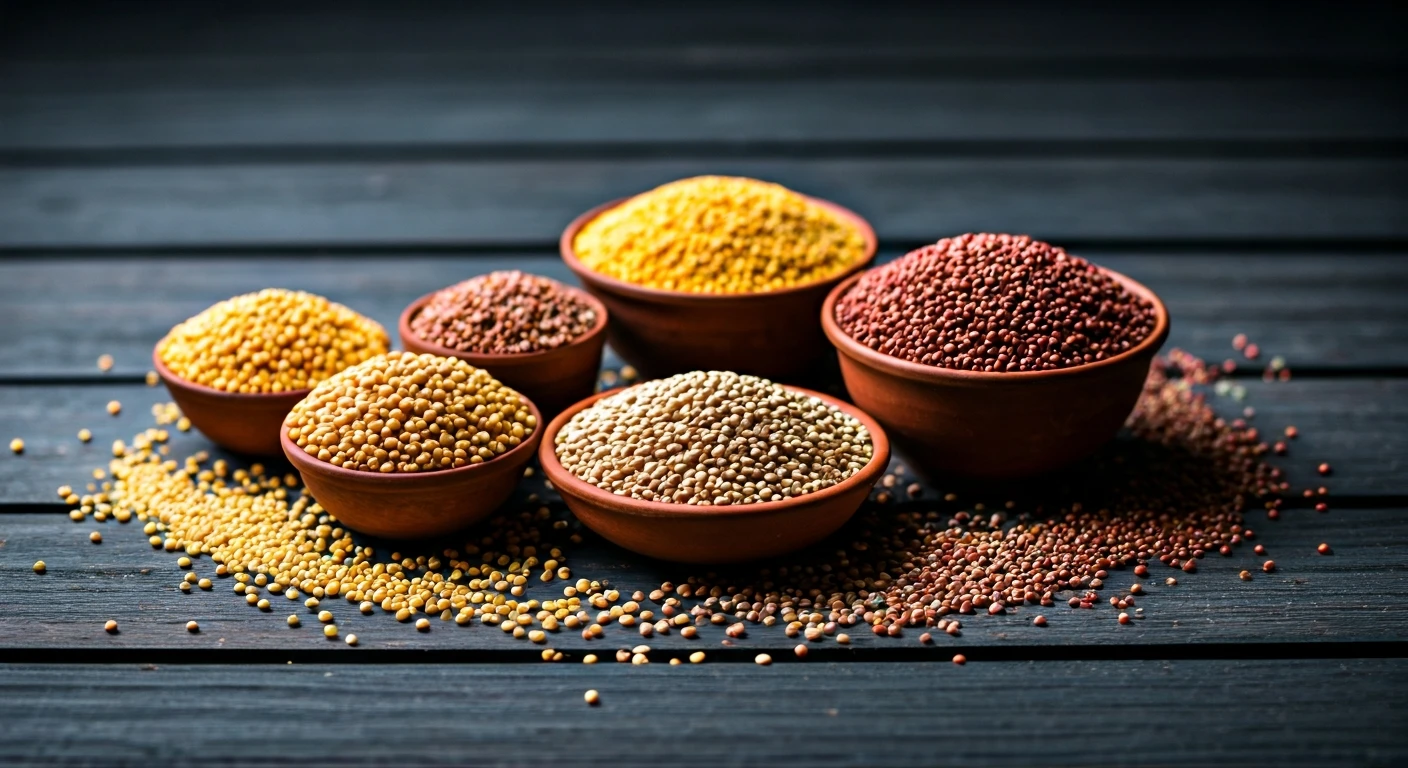
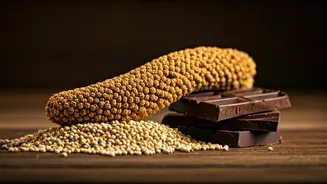
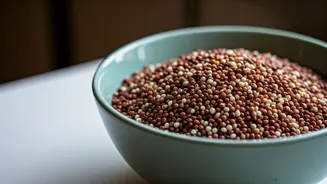
Ragi, or finger millet, is a nutritional powerhouse, especially beneficial during the monsoon when infections are common. It is exceptionally rich in calcium and iron, two nutrients crucial for maintaining strong bones and preventing anaemia. Its high
amino acid content further supports growth and development. During the rainy season, our digestive system can become sensitive, and ragi is naturally gluten-free and easy to digest. Incorporating ragi can help boost your immune system to fend off seasonal illnesses. A simple and effective way to have it is by preparing a warm ragi porridge, or malt, for breakfast. You can also make nutritious ragi dosas or rotis for a fulfilling meal.
2. Jowar (Sorghum): The Digestive Soother
Monsoon humidity often slows down our digestive fire, leading to issues like bloating and indigestion. Jowar, or sorghum, is the ideal grain to counter this. Being gluten-free and rich in dietary fibre, it promotes smooth digestion and helps keep you feeling light. The high fibre content also induces a feeling of fullness, which aids in weight management by preventing unnecessary snacking. Jowar is also a good source of essential minerals like iron, calcium, and B vitamins. You can easily swap your regular wheat rotis with soft jowar bhakris or prepare a light jowar upma with vegetables for a healthy and satisfying meal.
3. Bajra (Pearl Millet): The Warming Powerhouse
As the weather gets damp and cool, including warming foods in your diet becomes important. Bajra, or pearl millet, is known for its thermogenic effect, meaning it generates heat during digestion, keeping you naturally warm. It is packed with iron, magnesium, and fibre, which work together to boost energy levels and fight off the lethargy that can set in during the monsoon. The high fibre content also helps in relieving constipation, a common issue for some during this season. A warm bowl of bajra khichdi made with moong dal and vegetables is a classic comfort food that is both nutritious and perfectly suited for a rainy day.
4. Foxtail Millet (Kangni): The Energy Champion
Foxtail millet is an excellent choice for maintaining steady energy levels without feeling heavy. It has a low glycemic index, which means it releases glucose slowly into the bloodstream, preventing sudden sugar spikes and crashes. This makes it particularly good for managing blood sugar levels. Rich in protein, iron, and antioxidants, it helps strengthen stamina and immunity. Its high fibre content also contributes to better heart health by helping manage cholesterol. You can use foxtail millet as a healthy substitute for rice in dishes like lemon rice, pulao, or a simple upma.
5. Little Millet (Kutki): The Detox Dynamo
True to its name, little millet is a small grain that is incredibly light and easy to digest. This makes it an excellent food for the monsoon season, when the digestive system is often weaker. It is rich in B-vitamins and minerals like iron, and its high fibre content aids in preventing constipation. Little millet also contains antioxidants that help detoxify the body. Its texture is soft when cooked, making it a great alternative to rice in various dishes. Try preparing a light kutki pulao with minimal spices or a simple upma to enjoy its benefits.