




First, What Is Insulin Resistance?
To understand the role of juice, we first need to talk about insulin. Insulin is a hormone that acts like a key, unlocking our body's cells to let glucose (sugar) from our bloodstream enter and be used for energy. Insulin resistance is what happens when
those cells stop responding properly to insulin's key. The 'lock' becomes stubborn. To compensate, the pancreas works overtime to produce even more insulin to force the glucose into the cells. Over time, this system can get overwhelmed, leading to consistently high blood sugar levels, a condition that is a precursor to type 2 diabetes.
The Protective Power of Fibre
When you eat a whole piece of fruit, like an apple or an orange, you're not just consuming its natural sugars and vitamins; you're also getting a healthy dose of dietary fibre. This fibre, found in the pulp and skin, is indigestible and forms a gel-like substance in your digestive tract. This gel acts like a natural braking system, slowing down the absorption of sugar into your bloodstream. This prevents the sudden, sharp spikes in blood sugar that demand a large, rapid insulin response. Studies consistently show that high-fibre diets improve the body's sensitivity to insulin and help manage blood sugar levels effectively.
Juicing Removes The Natural Safeguard
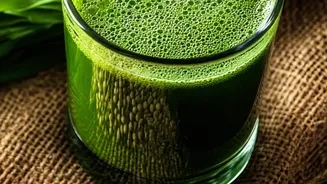
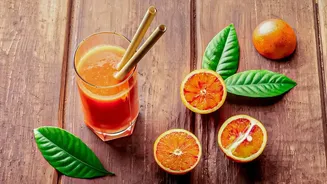
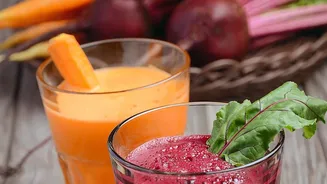
The process of juicing, whether it's cold-pressed or done with a traditional centrifugal juicer, is designed to extract the liquid and leave the solid parts—the pulp and skin—behind. Unfortunately, this process removes most of the beneficial dietary fibre. Without this fibrous buffer, the natural sugars (fructose) in the fruit are absorbed very quickly. This can lead to a rapid and high spike in blood sugar, similar to drinking a sugary soda. To manage this sudden influx of sugar, the pancreas has to release a large amount of insulin all at once. Consuming juice regularly can mean subjecting your body to these intense sugar-and-insulin cycles repeatedly, which may contribute to increased insulin resistance over time. Think of it this way: you might not eat four whole oranges in one sitting, but you could easily drink their juice in a single glass, consuming a concentrated dose of sugar in minutes.
Is Cold-Pressed Any Different?
The term "cold-pressed" refers to a method where juice is extracted using high pressure. This process generates less heat, which can help preserve more heat-sensitive vitamins and minerals compared to other methods. However, when it to the crucial issue of fibre and sugar absorption, the method makes little difference. Cold-pressed juices are still very low in fibre. Therefore, from the perspective of blood sugar management and insulin resistance, they present the same challenges as other types of fruit juice: a concentrated source of rapidly absorbed sugar without the protective benefits of whole fruit fibre.
Smarter Ways to Enjoy Fruit
This doesn't mean you have to give up juices entirely, but it's wise to rethink how you consume them. The best way to get the full nutritional benefit of fruits is to eat them whole. If you do enjoy juice, consider it a treat rather than a daily health staple. Limiting your portion to a small glass (around 150 ml) and even diluting it with water can help reduce the sugar load. Another great alternative is a smoothie. Because smoothies are made in a blender, they retain the whole fruit, including all the valuable fibre. Just be mindful of adding sugary yogurts or sweeteners. Pairing any juice with a meal that contains protein, healthy fats, and fibre can also help slow down sugar absorption and create a more balanced metabolic response.