







Why Your Gut Is Vulnerable During Monsoon
The shift from scorching heat to high humidity has a significant impact on our bodies. According to both modern science and traditional Ayurvedic principles, our digestive fire, or 'agni', naturally weakens during the rainy season. This makes our system
more sluggish and susceptible to issues like bloating, gas, and indigestion. More importantly, the moist, damp environment is a perfect breeding ground for bacteria, viruses, and parasites. Heavy rains can lead to the contamination of water sources with sewage and waste, increasing the risk of waterborne diseases like gastroenteritis, cholera, typhoid, and Hepatitis A and E. Food also spoils faster, and a weakened immune system makes us more vulnerable to infections.
Prioritise Safe Hydration
Contaminated water is one of the biggest culprits behind monsoon-related gut infections. Tap water can become unsafe, especially after heavy rainfall or flooding. Therefore, the single most important habit to adopt is ensuring your drinking water is safe. Always opt for boiled, filtered, or purified water. Avoid drinking water from unknown sources, and be wary of ice in drinks from outside vendors, as it's often made with unfiltered water. Many experts also suggest sipping on warm water or herbal infusions like ginger, tulsi, or cumin tea throughout the day. These not only keep you hydrated but also help soothe the digestive system and boost immunity.
Rethink Your Monsoon Plate
What you eat plays a crucial role in keeping your gut happy. It's best to favour light, warm, and freshly cooked meals. Think comforting and easy-to-digest dishes like khichdi, soups, and steamed vegetables. Conversely, there are several food groups to be cautious with. Raw vegetables and salads should be limited, as they can harbour microbes and are harder to digest. It's also wise to avoid leafy greens, which can trap dirt and germs that are difficult to wash away completely. Seafood is another category to limit, as the monsoon is the breeding season for many fish, and the risk of contamination is higher.
The Street Food Dilemma
The craving for hot, fried pakoras and chaat intensifies when it's raining, but street food is a major red flag during this season. Stalls often operate in unhygienic conditions, using water that may be contaminated and ingredients that are exposed to the humid air, which accelerates bacterial growth. The oil used for frying is often reused multiple times, which can cause digestive distress. If you must indulge, opt for places with high standards of hygiene or, better yet, prepare your favourite snacks at home where you can control the quality of the ingredients and cooking methods.
Boost Your Gut with Probiotics and Spices
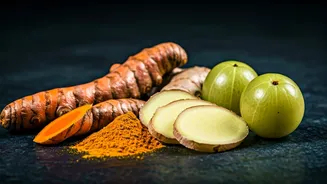
Strengthening your gut's natural defences is a powerful preventive strategy. Probiotic-rich foods are your best friends during the monsoon. Incorporating curd (yoghurt) and buttermilk into your diet helps replenish the good bacteria in your gut, improving digestion and overall gut flora. You can also harness the power of traditional Indian spices. Ginger, turmeric, cumin, black pepper, and asafoetida (hing) are known for their anti-inflammatory and digestive properties. Adding them to your meals can help stimulate your digestive fire, reduce bloating, and fight off pathogens.
Simple Hygiene, Big Impact
Finally, never underestimate the power of basic hygiene. Washing your hands thoroughly with soap before meals and after using the restroom is a non-negotiable practice to prevent the spread of germs. When it comes to produce, wash all fruits and vegetables meticulously. Soaking them in salt water or a vinegar solution can help eliminate surface contaminants. It's also best to consume fruits that have a peel, like bananas and pomegranates, and to avoid pre-cut fruits sold by vendors. Keeping your kitchen and eating spaces clean will further reduce your risk of exposure to harmful microbes.