


Why 2026 Is a Perfect Year for the Perseids
The single biggest factor for a great meteor shower is the Moon. A bright moon can act like natural light pollution, washing out all but the brightest meteors. Fortunately, the 2026 Perseid peak coincides perfectly with the new moon on August 12. This
means the skies will be exceptionally dark, allowing even faint meteors to shine. Astronomers are anticipating ideal viewing conditions, making it a spectacular show for anyone who looks up. Under these perfect, moonless skies, observers in dark locations could see anywhere from 50 to over 100 meteors per hour during the peak.
When and Where to Watch in India
The Perseids are active from mid-July to late August, but the best time to watch is during the peak. For viewers in India, the prime window will be the pre-dawn hours of August 12 and August 13. Specifically, aim for the time between 2:00 AM and 4:30 AM IST on both nights. The number of meteors tends to increase as the night deepens and the shower's radiant point—the constellation Perseus—climbs higher in the sky. The biggest challenge for viewing in India is the monsoon season, which can bring heavy cloud cover. To increase your chances, you may need to travel. Areas that are less affected by monsoon clouds, like Ladakh, Spiti Valley, and parts of Western Rajasthan and the Rann of Kutch, offer the best prospects for clear skies.
What Exactly Are the Perseids?
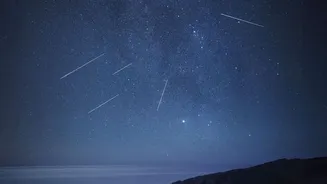
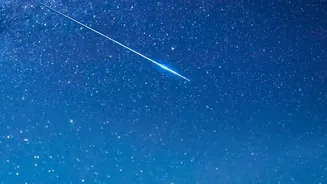
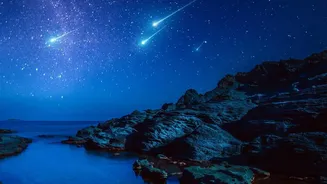
Meteor showers are celestial events that occur when Earth passes through a stream of debris left behind by a comet or asteroid. The Perseids are caused by Comet 109P/Swift-Tuttle, a massive comet that takes 133 years to orbit the Sun. It last passed near Earth in 1992 and won't return until 2125. Every August, our planet ploughs through the trail of dust and ice it left behind. These tiny particles, most no bigger than a grain of sand, hit our atmosphere at incredible speeds—around 60 kilometres per second—and vaporise, creating the brilliant streaks of light we call meteors or 'shooting stars'. The Perseids are known for being particularly bright and fast, often leaving persistent trails of light. They also have a high chance of producing fireballs, which are exceptionally bright meteors that can light up the entire sky.
Your Guide to a Successful Viewing Night
You don't need any special equipment to enjoy the show. Binoculars and telescopes actually limit your field of view, so your naked eyes are the best tools. The key is preparation. First, find a location away from city lights. The darker your surroundings, the more meteors you will see. Give your eyes at least 20 to 30 minutes to fully adjust to the darkness; this means avoiding looking at your phone screen. Get comfortable. A reclining chair or a blanket on the ground is perfect for lying back and taking in as much of the sky as possible. While the meteors will appear to radiate from the constellation Perseus in the northeast, they can show up anywhere in the sky. So just look up, be patient, and enjoy the cosmic display.