
August Weather: A Tale of Sun and Showers
August in Ladakh is characterized by a comfortable and pleasant climate. Daytime temperatures in Leh and surrounding areas typically hover between 20°C and 25°C, making it warm enough for sightseeing in a T-shirt when the sun is out. However, the nights
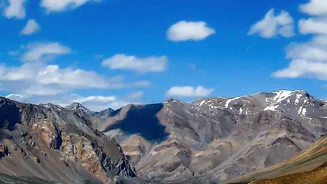
see a significant drop, with temperatures falling to around 5°C to 10°C. This dramatic shift means layering your clothing is essential. While Ladakh is in a rain-shadow area, meaning it escapes the heavy monsoon rains that drench much of India, you should still be prepared for occasional, short-lived rain showers or drizzle. The weather can be unpredictable; a clear blue sky can quickly turn overcast, bringing a sudden chill to the air. The sun at this high altitude is also incredibly strong, so sunscreen and a hat are non-negotiable.
The Monsoon's True Impact: The Journey, Not the Destination
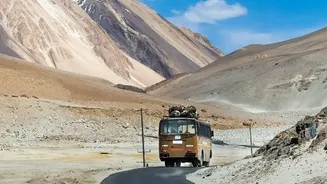
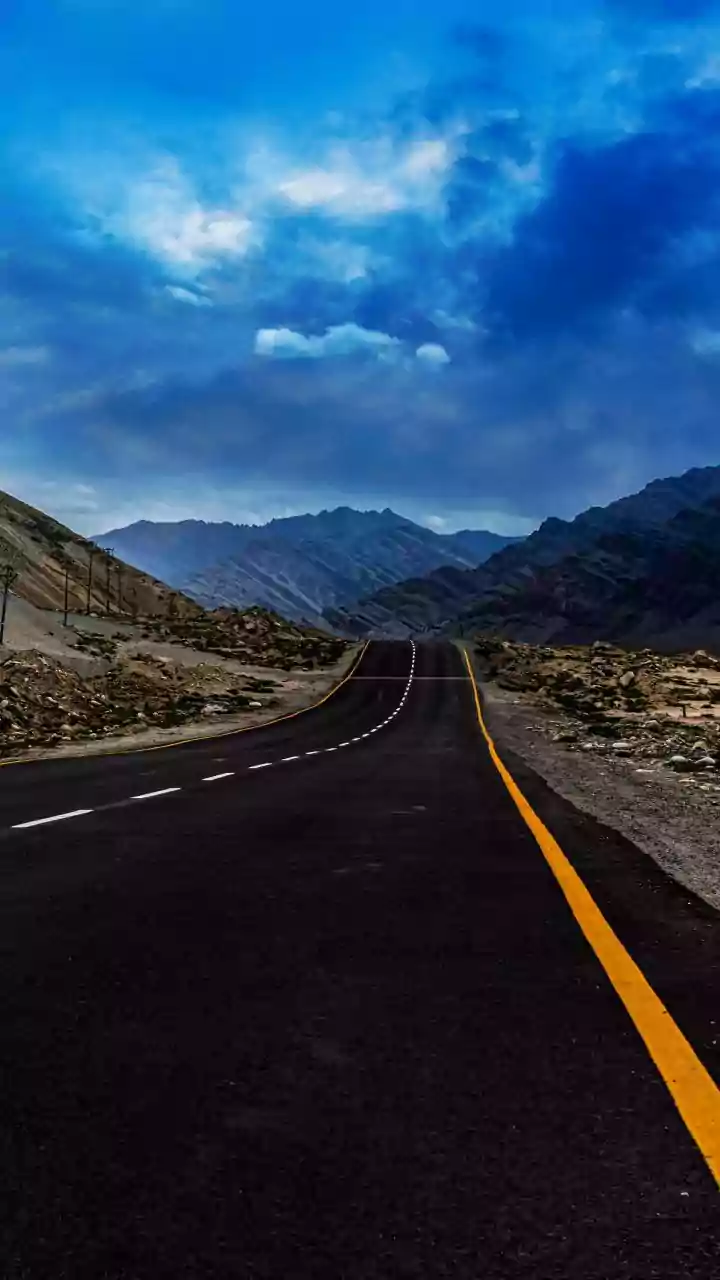
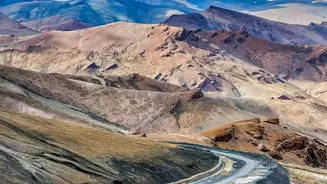
The biggest misconception about visiting Ladakh in August is the fear of monsoons within the region itself. Ladakh proper receives very little rainfall. The real challenge lies on the two main arteries that connect it to the rest of India: the Manali-Leh Highway and the Srinagar-Leh Highway. These routes bear the brunt of the monsoon, with heavy rains often triggering landslides, mudslides, and flash floods. Recent reports from late July 2026 confirm that the Jammu-Srinagar highway can face multi-day closures due to landslides, stranding hundreds of vehicles. While both highways are officially open in August, travellers must be prepared for potential delays. It is crucial to build buffer days into your itinerary if you are planning a road trip. For those with a fixed schedule, flying into Leh is often the more reliable option.
Road Conditions and Sightseeing
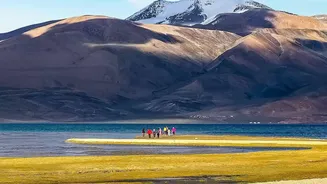
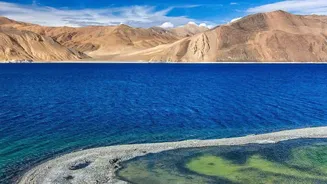
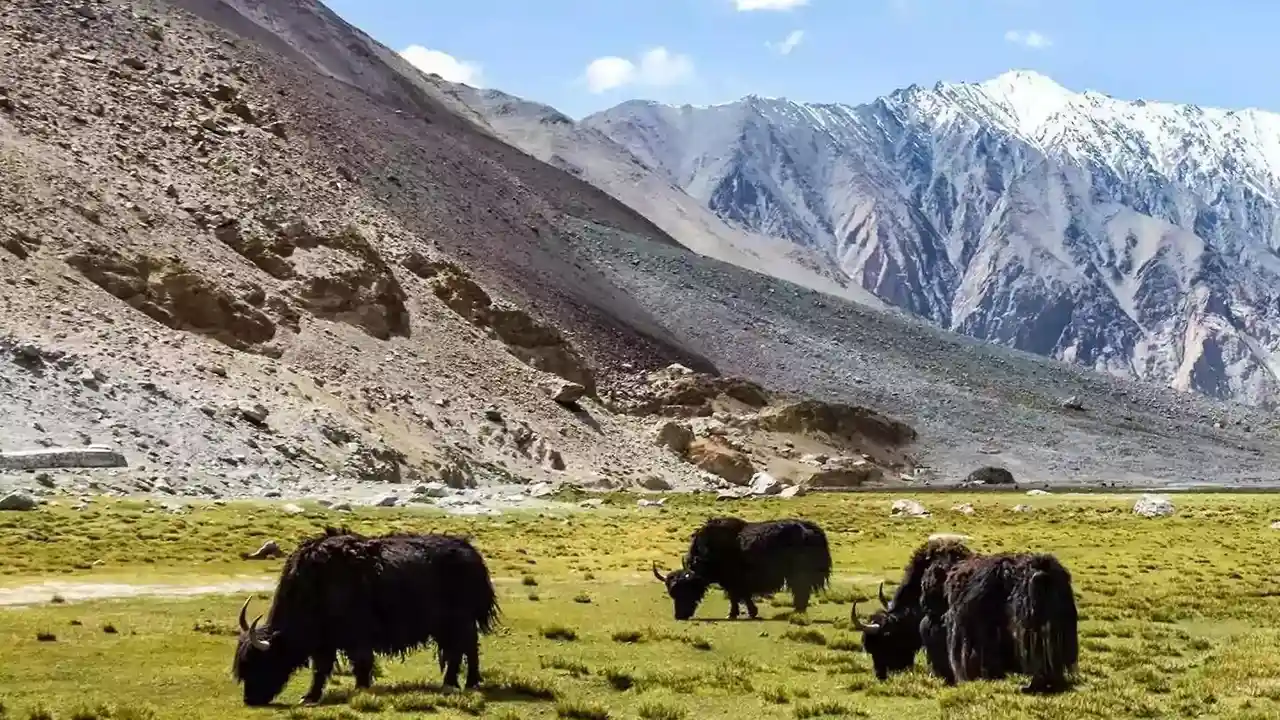
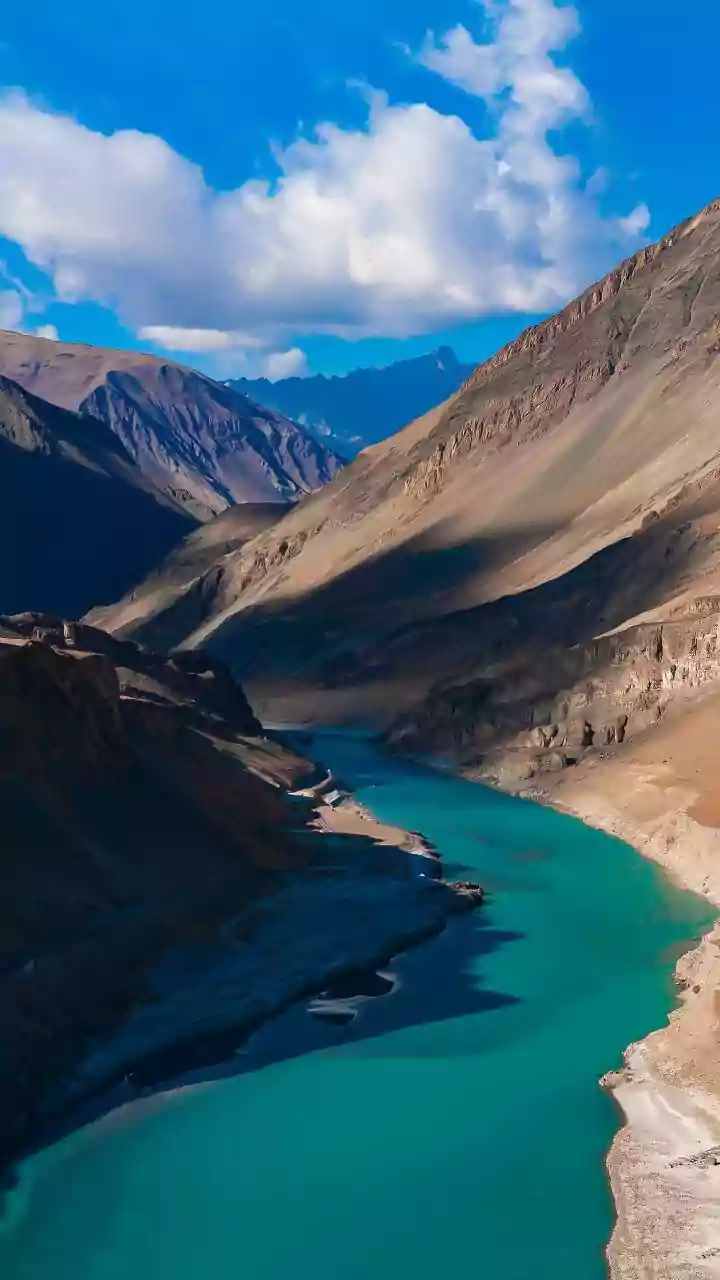
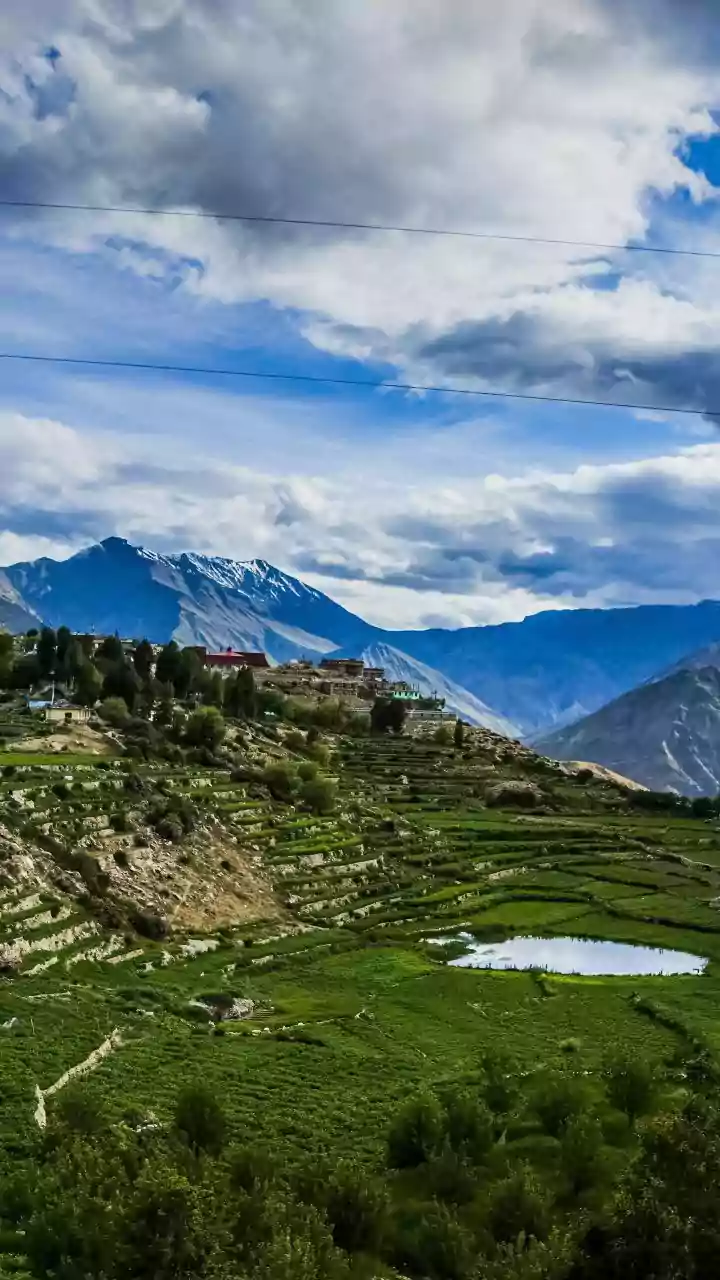
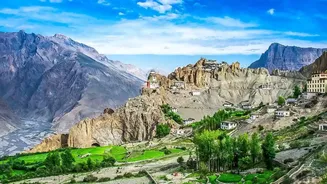
Once you are in Ladakh, the internal roads connecting major attractions like Nubra Valley, Pangong Tso, and Tso Moriri are generally open and accessible in August. You can expect to see the landscape in a unique state of beauty, with valleys appearing greener than usual due to the moisture from earlier in the season. August is a great month for all major activities, from visiting ancient monasteries like Thiksey and Hemis to river rafting on the Zanskar and Indus rivers. The crowds are also somewhat thinner than the peak months of June and July, offering a more serene experience at popular spots. High passes like Khardung La and Chang La are open, allowing you to access the breathtaking vistas they offer, though you should always be prepared for a sudden drop in temperature at these altitudes.
What to Pack for an August Trip
Packing strategically is key to enjoying Ladakh in August. Your mantra should be 'layers'. Start with thermal innerwear for the cold nights and early mornings. For the daytime, light T-shirts and full-sleeved shirts are useful for sun protection. A fleece jacket is an indispensable mid-layer that you'll use frequently. A waterproof and windproof outer jacket is crucial to protect you from sudden showers and the biting wind on high passes. Pack comfortable trekking shoes with a good grip, as well as multiple pairs of warm socks. Don't forget essentials like a beanie or warm cap, gloves, sunglasses, and a high-SPF sunscreen and lip balm to protect against the harsh UV rays. If you plan on a road trip, especially by bike, waterproof gear and gumboots are highly recommended to tackle water crossings.