


The Great Indian Breakfast Shift
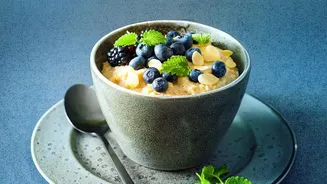
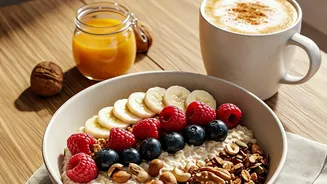
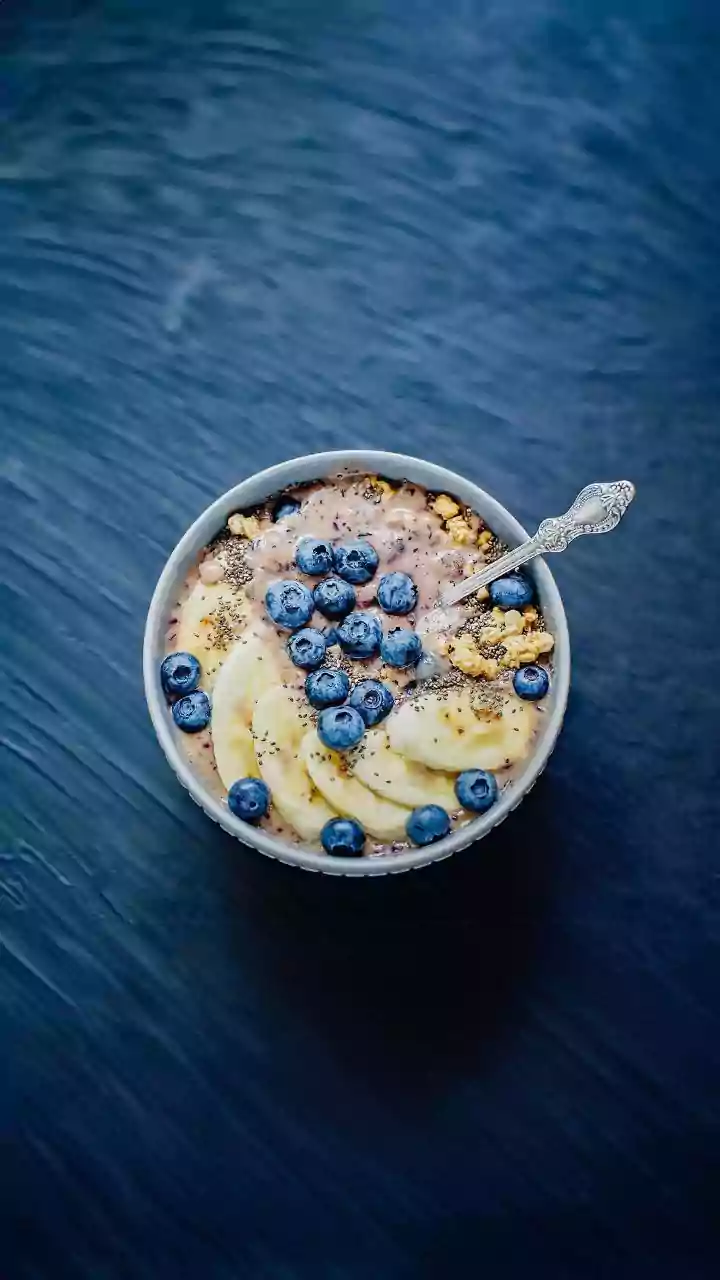
A noticeable trend is unfolding on the breakfast tables of metropolitan India. An increasing number of health-conscious urbanites are consciously sidelining highly processed, sugary breakfast cereals in favour of nutrient-dense, traditional alternatives.
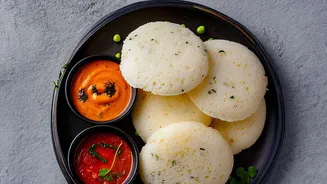
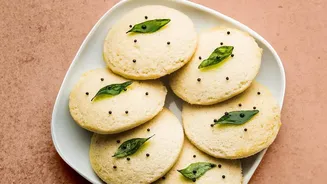
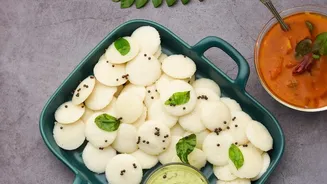
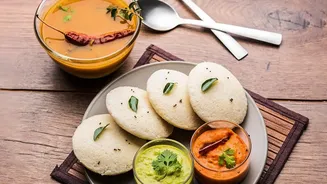
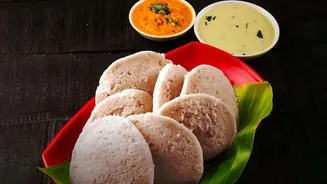
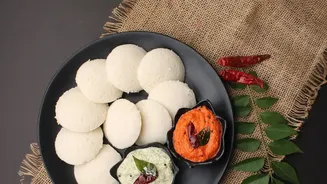
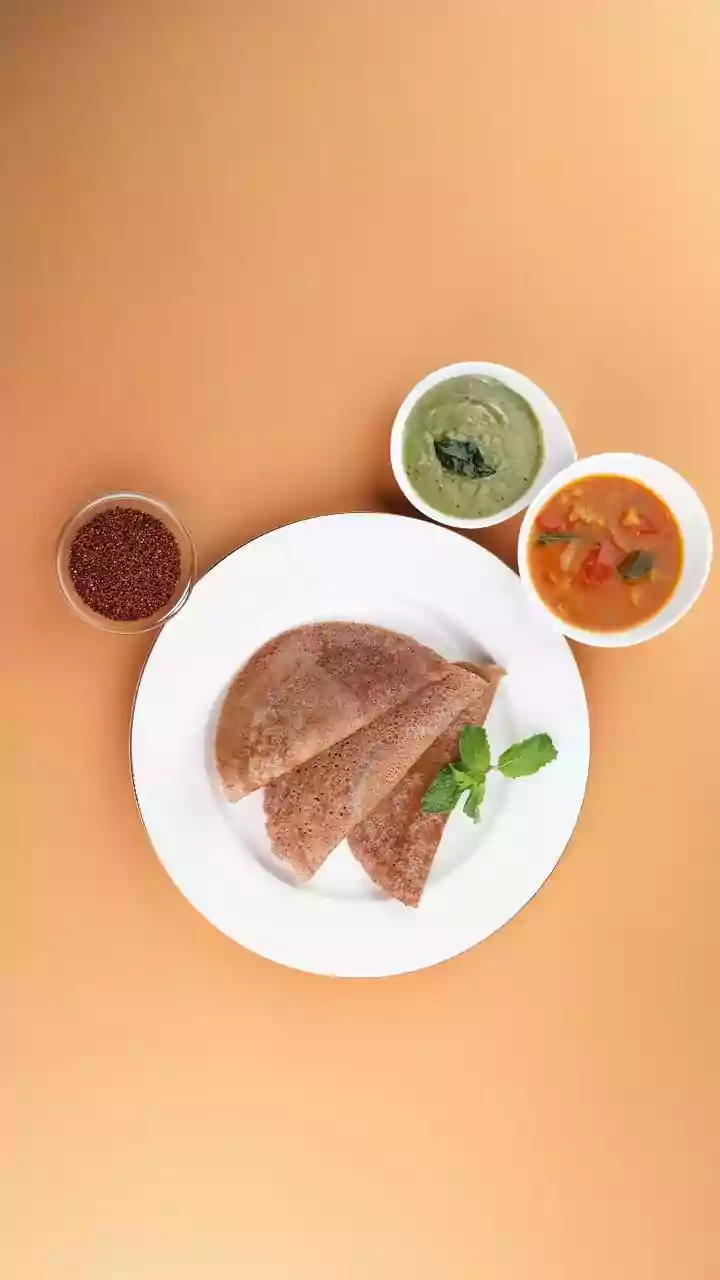
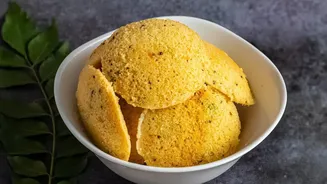
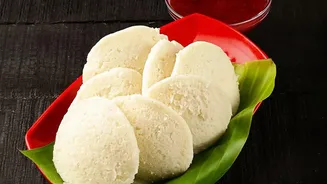
Specifically, steamed dishes like idlis and appams, once made primarily with rice, are being reimagined with a healthier twist: millets. This shift isn't just a nostalgic nod to the past; it's a deliberate choice for better health, sustained energy, and a deeper connection to local food traditions. Once staples in the Indian diet, millets were largely displaced by the Green Revolution's focus on wheat and rice. Today, their comeback is driven by a modern understanding of their immense nutritional benefits.
Why Millets are the New Superfood
So, what's behind the resurgence of these ancient grains? Millets, often called 'nutri-cereals,' are nutritional powerhouses. Compared to refined cereals, they are packed with more dietary fibre, protein, and essential minerals like iron, calcium, and magnesium. A key advantage is their low Glycemic Index (GI), which means they release sugar into the bloodstream slowly. This prevents the sudden energy spikes and subsequent crashes associated with sugary cereals, providing sustained energy that lasts through the morning. For a population increasingly concerned with lifestyle diseases, the high fibre content aids digestion and weight management, while their naturally gluten-free status makes them suitable for those with sensitivities.
Tradition Meets Modern Convenience
One might assume that preparing traditional breakfasts like idlis and appams from scratch is too time-consuming for a fast-paced urban lifestyle. However, the market has quickly adapted. A booming industry of ready-to-cook and instant millet-based mixes for idlis, dosas, upma, and pongal has made these healthy meals accessible in minutes. These convenient options allow busy professionals and families to enjoy a wholesome, home-cooked breakfast without the lengthy process of soaking and grinding. Many brands now offer organic, pre-mixed batters and dry mixes that simply require adding water, making a nutritious millet breakfast as quick as pouring a bowl of cornflakes. This fusion of traditional recipes with modern convenience is a key driver of the trend's adoption.
More Than Just a Health Trend
This dietary shift represents more than just a health fad; it's a cultural and environmental statement. By choosing millets, consumers are supporting biodiversity and sustainable agriculture. Millets are climate-resilient 'smart crops' that require significantly less water and fewer pesticides to grow compared to rice and wheat, making them an eco-friendly choice. Government initiatives and global recognition, such as the UN's declaration of 2023 as the International Year of Millets, have also boosted awareness. For many, embracing millets is a way of reclaiming a piece of their heritage, turning away from mass-produced foods and reconnecting with the grains their grandparents ate. It is a conscious decision to nourish themselves with food that is good for their bodies and for the planet.