



The Unassuming Superstar
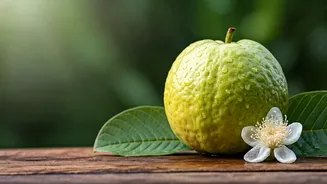
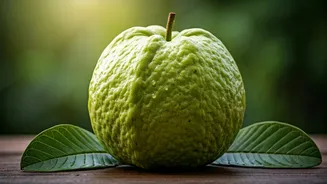
When we think of nutrient-packed fruits, our minds often jump to exotic berries or expensive imported apples. But sitting quietly in our local fruit stalls is the amrood, or guava—a true nutritional powerhouse that truly shines during the Indian monsoon.
This common fruit, often sprinkled with chaat masala and enjoyed as a simple snack, holds the key to staying healthy during a season notorious for weakening our immunity. Its accessibility, affordability, and incredible health benefits make it a must-have in your monsoon diet, easily earning its crown as a seasonal wellness champion.
A Vitamin C Powerhouse
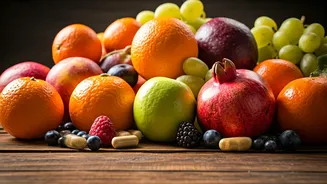
The headline claim to fame for the guava is its astonishing Vitamin C content. Forget oranges; the guava is the undisputed king in this arena. A single serving of guava can contain up to four times the Vitamin C of an orange. This is crucial during the monsoon when our bodies are more susceptible to infections like the common cold and flu. Vitamin C is a potent antioxidant that plays a vital role in strengthening the immune system, helping your body produce the white blood cells needed to fight off pathogens. A daily dose of guava can significantly bolster your defences against these common monsoon ailments.
Your Gut’s Best Friend
Monsoon season can be tough on our digestive systems. The humidity and increased risk of water-borne contaminants can lead to indigestion, bloating, and other stomach issues. This is where guava’s high dietary fibre content comes to the rescue. One guava can provide a significant portion of your daily recommended fibre intake. This fibre helps regulate bowel movements, prevent constipation, and maintain a healthy gut microbiome. A healthy gut is the foundation of a strong immune system, making guava a double-win for monsoon wellness. Plus, unlike other fruits, its seeds are edible and contribute to its fibre content.
More Than Just Immunity
While its immunity-boosting properties are front and centre, the guava’s benefits don’t stop there. It's also rich in other antioxidants like lycopene and quercetin, which help protect your cells from damage. With a low Glycemic Index (GI), guavas are an excellent fruit for those managing blood sugar levels, as they don't cause a rapid spike in glucose. The fruit is also a good source of manganese, which helps the body absorb other key nutrients, and folate, which is essential for cell function and growth. It's a complete package that supports everything from heart health to skin radiance.
How to Enjoy It Best
To get the most out of your guava, a few simple tips can help. Always wash the fruit thoroughly under running water, especially during the monsoon. Don’t peel it! The skin of the guava is where a high concentration of its Vitamin C and fibre resides. Look for guavas that are firm but have a slight give when pressed, and emit a sweet, floral fragrance. While the classic sprinkle of salt and chili is delicious, you can also add sliced guava to salads for a crunchy texture, blend it into a refreshing juice (without straining the fibre!), or make a simple amrood ki sabzi. For the best flavour and nutritional value, eat it when it's freshly cut.