


A Local Answer to a Growing Need
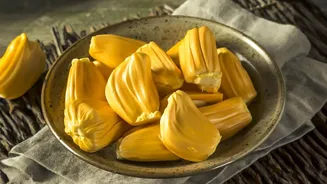
For years, the jackfruit has been celebrated for its sweet, fibrous flesh, a staple in many Indian households. Its seeds, however, were often relegated to the compost pile. That’s rapidly changing. As awareness around gluten sensitivity and celiac disease
grows, so does the demand for effective, nutritious flour alternatives. Jackfruit seed flour is emerging as a frontrunner, not just because it’s inherently gluten-free, but because it’s a sustainable, homegrown ingredient. This shift represents a larger trend towards valorising agricultural byproducts, turning what was once waste into a valuable food source. Market analysis reflects this growing interest, with projections showing strong growth in India, driven by its position as a top jackfruit producer and a national focus on food processing innovation.
The Nutritional Powerhouse
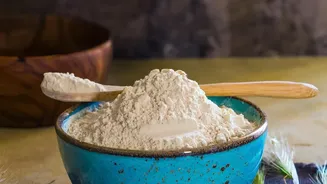
So, what makes jackfruit seed flour stand out in a crowded market of alternatives? The answer lies in its impressive nutritional profile. It is naturally rich in protein, dietary fibre, and essential minerals like potassium, magnesium, and iron. Unlike many gluten-free flours that can be heavy on starch and low on nutrients, jackfruit seed flour offers a more balanced option. The high protein content contributes to better structure in baked goods, a common challenge in gluten-free baking. Furthermore, it contains resistant starch and fibre, which act as prebiotics, nourishing beneficial gut bacteria and supporting digestive health. This combination of being gluten-free and nutrient-dense makes it a particularly attractive option for health-conscious consumers.
Mastering the Art of Baking with It
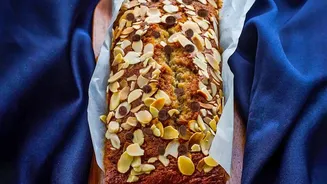
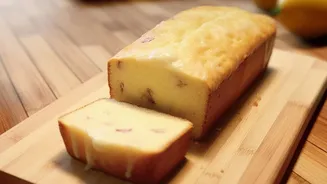
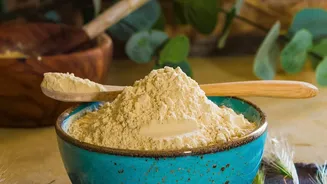
For home bakers, switching to a new flour can be intimidating. Thankfully, jackfruit seed flour is remarkably versatile. It has a fine texture and a mild, slightly nutty flavour that complements both sweet and savoury dishes without overpowering them. One of its key advantages is its ability to hold moisture, which helps combat the dry, crumbly texture often found in gluten-free bakes. You can typically substitute 10-30% of the regular flour in recipes for cakes, muffins, and cookies to add nutrition and structure. It also works wonderfully in traditional Indian breads; it can be incorporated into dough for rotis and chapatis or used in dosa and pancake batters. Its natural binding properties also make it an effective, wholesome thickener for soups and curries.
Sustainability and Sourcing
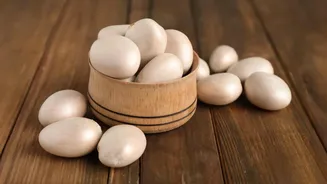
The rise of jackfruit seed flour is not just a culinary trend; it's a step towards a more sustainable food system. By utilizing the seeds, we reduce food waste and create value from the entire fruit. This has economic benefits for farmers and producers, particularly in a country like India where jackfruit is abundant. For consumers, sourcing this flour is becoming easier. It's available online and in health food stores, often sold by brands that focus on natural and organic products. You can also make it at home by cleaning, boiling or roasting, drying, and grinding jackfruit seeds into a fine powder. When purchasing, look for flour that is finely milled and free of additives to ensure you’re getting a pure, high-quality product.