







A Green Answer to a Warming World
A cooling garden is more than just a collection of plants; it's a strategic landscape designed to work as a natural air conditioner for your home. The concept involves using trees, shrubs, vines, and water features to actively lower the ambient temperature
around a building. This isn't just about creating a pleasant patch of green. It's an integrated approach where the garden becomes a functional part of the home's climate control system. By thoughtfully selecting and placing natural elements, architects and homeowners can create microclimates that provide significant relief from the heat, reducing the reliance on power-hungry air conditioning.
The Science of Natural Cooling
The magic of a cooling garden lies in a few key scientific principles. The most powerful is evapotranspiration, a process where plants release water vapour from their leaves. This action absorbs heat from the surrounding air, creating a noticeable cooling effect, much like how sweating cools our bodies. A single large tree can transpire hundreds of litres of water in a day, providing the cooling power of multiple air conditioning units. The second principle is shading. Strategically planted trees and vine-covered walls or pergolas can block direct sunlight from hitting your home's walls and windows, preventing heat from being absorbed in the first place. Shaded surfaces can be dramatically cooler than those exposed to direct sun. Together, these effects create a much more comfortable living environment.
Key Elements of a Cooling Garden
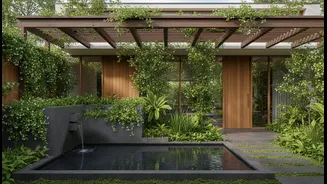
Creating an effective cooling garden involves several core components. Strategically positioned trees are paramount, especially deciduous ones that provide dense shade in summer but allow sunlight through in winter. Fast-growing trees like Neem and Banyan are excellent choices in the Indian context. Vertical gardens, or 'green walls' using climbers like the Betel leaf plant, are fantastic for insulating and shading walls without taking up much ground space. Incorporating a water feature, even a small pond or fountain, enhances cooling through evaporation. Finally, the choice of plants matters. Moisture-loving plants like ferns and palms, as well as those with dense foliage like the Areca Palm and even Tulsi, contribute significantly to a cooler atmosphere.
More Than Just Temperature Control
The benefits of a cooling garden extend far beyond just lowering your electricity bill. This approach is a cornerstone of biophilic design, which seeks to connect humans with nature to improve well-being. Living surrounded by greenery is proven to reduce stress, improve mental focus, and enhance overall happiness. These gardens also improve local air quality, as plants absorb pollutants and release oxygen. They create habitats for birds and beneficial insects, boosting biodiversity. Homes with well-designed, mature gardens are not only more beautiful but are often valued higher, making a cooling garden a wise investment for both your comfort and your future.
From Balconies to Backyards
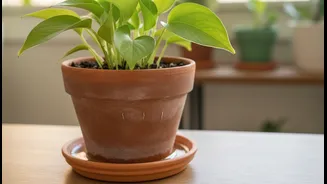
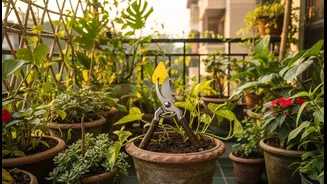
You don't need a massive plot of land to reap the benefits of a cooling garden. The principles can be adapted to any scale. For apartment dwellers, even a small balcony can become a cooling oasis. Use hanging baskets with plants like Spider Plant or Money Plant to create a curtain of green. A few large potted plants, like an Areca Palm, can create a cool corner. A simple trellis with a climbing vine can shade a sun-beaten wall. For larger spaces, consider planting a shade tree to the west of your home to block the intense afternoon sun. Using light-coloured paving materials can also help by reflecting sunlight instead of absorbing it. The key is to think in layers—ground cover, shrubs, and trees—to maximize the cooling potential.