





From Chore to Strategy
Viewing property maintenance as a reactive task—fixing things only when they break—is a common but costly mistake. A structured maintenance calendar transforms this process into a proactive strategy. For landlords in India, this is particularly critical.
The Model Tenancy Act, 2021, places responsibility for major structural repairs, including water pipelines and damage from wear and tear, squarely on the landlord. Ignoring small issues like a minor damp spot can lead to major structural decay, mould growth, and expensive repairs. A planned approach not only ensures you meet your legal obligations but also preserves your property's value, avoids disputes, and fosters a good relationship with your tenants, who are responsible for reporting issues promptly.
The Pre-Monsoon Imperative
In India, no maintenance discussion is complete without mentioning the monsoon. This season is the ultimate stress test for any building. A dedicated pre-monsoon check is non-negotiable. Before the rains arrive, typically in May or early June, focus on the building's exterior. Inspect the roof and external walls for any cracks and have them sealed immediately. Clean out all rooftop and balcony gutters and drains to ensure they can handle heavy rainfall and prevent blockages that lead to overflows and seepage. Check that window and balcony door seals are intact to prevent water from being driven inside by wind and rain. This seasonal preparation is one of the most effective ways to prevent the vast majority of water-related issues.
Your Quarterly Walkthrough
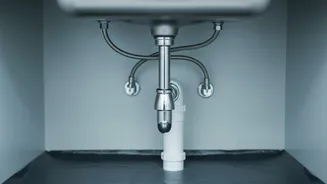
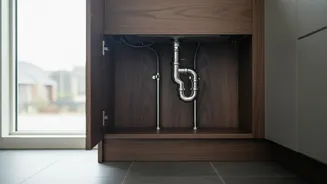
Beyond the major pre-monsoon prep, a quarterly inspection helps you catch developing problems. Every three months, schedule a walkthrough to inspect key areas. Check under all sinks in the kitchen and bathrooms for any signs of slow drips or water stains. Look at ceilings and the tops and bottoms of walls for any discolouration or peeling paint, which are tell-tale signs of hidden leaks or dampness. This is also a good time to test plumbing fixtures. Run taps and showers, and flush toilets to ensure everything is working correctly and drains are not slow. Regular inspections also involve testing safety equipment like smoke and carbon monoxide detectors.
Monthly Vigilance and Drains
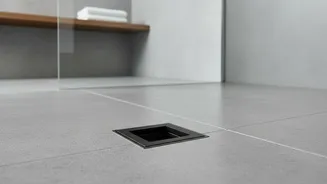
Monthly tasks are smaller but crucial for preventing blockages. Drains are the unsung heroes of a dry home, and keeping them clear is paramount. Once a month, pour a bucket of hot water down seldom-used drains to clear any buildup. Advise tenants to use drain strainers in showers and kitchen sinks to catch hair and food debris. Make it a point to visually inspect easily accessible pipes for any signs of moisture. Also, remind tenants to report slow-draining water immediately, as this is the first sign of a developing clog which, if ignored, can lead to backups and water damage. Proper drainage is essential for preventing water from pooling around the property's foundation, which can cause serious structural damage over time.
Involve Your Tenants
Your tenants are your first line of defence. They live in the property and are best positioned to spot problems early. From the outset, establish a clear and easy process for them to report maintenance issues. Encourage them to immediately report any signs of leaks, no matter how small, as well as damp smells, mould, or slow drains. The tenancy agreement should clearly state the tenant's responsibility to report damage promptly and the landlord's responsibility to carry out necessary repairs. Fostering a cooperative relationship makes tenants feel valued and more likely to help you care for the property. A happy tenant in a well-maintained home is also more likely to stay long-term, reducing your turnover costs.