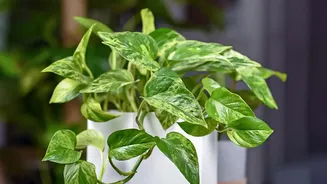


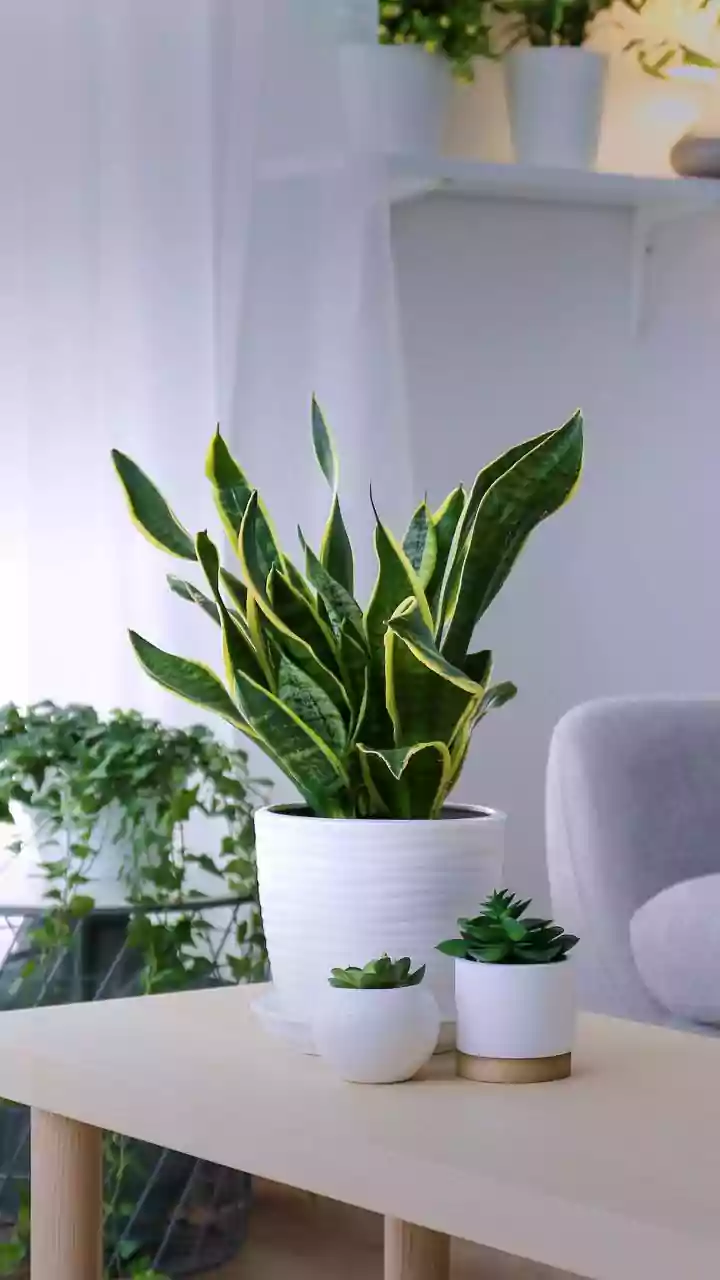



The Myth: The Famous NASA Study
The belief that houseplants are natural air purifiers largely stems from a 1989 NASA study. Researchers, looking for ways to clean the air in sealed space stations, placed various common houseplants in small, airtight chambers and introduced volatile
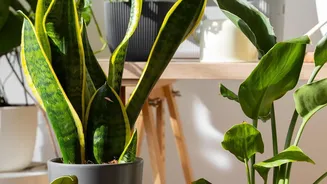
organic compounds (VOCs) like formaldehyde and benzene. The results were promising: the plants were able to remove a significant portion of these pollutants from the chamber's air. This led to widespread claims that popular plants like the Peace Lily, Spider Plant, and Snake Plant could effectively detoxify our homes. For decades, this study has been the foundation of the 'air-purifying plants' trend seen in garden centres and articles across the world.
The Reality: Why It Doesn't Work at Home
Unfortunately, your living room is not a sealed NASA test chamber. Subsequent analysis and further research have shown that the effects observed in the lab don't translate to real-world homes. There are two major reasons for this. First, our homes are not airtight; they have constant air exchange through windows, doors, cracks, and ventilation systems, which dilutes pollutants far more effectively than a few plants can. Second is the issue of scale. To replicate the effects seen in the NASA study, you would need an enormous number of plants. Some estimates suggest you'd need anywhere from 10 to 1,000 plants per square metre of floor space to compete with a building's natural air exchange rate. In short, the few decorative plants in a typical home have a negligible effect on air quality.
The Real, Proven Benefits of Houseplants
This doesn't mean you should give up on your green thumb. The actual benefits of keeping houseplants are significant, just different. The biggest advantages are psychological. Studies have consistently shown that interacting with plants can reduce stress and anxiety. The simple acts of watering, pruning, and watching something grow can lower cortisol levels (the stress hormone), reduce blood pressure, and promote a sense of calm and mindfulness. Having plants in our environment connects us to nature, which can boost mood, improve focus, and even enhance creativity. One study even found that bacteria in potting soil can trigger the release of serotonin in the brain, which helps lift your mood.
Caring for Plants, Caring for Yourself
The connection between plant health and human mental health is surprisingly direct. Research has shown that healthy, thriving plants provide the most significant well-being benefits. Conversely, seeing a sickly or dying plant can actually induce a small amount of stress, acting as a negative visual cue. The act of nurturing a plant and watching it flourish creates a sense of purpose and accomplishment. It's a gentle routine that encourages you to be present and observant. This process, often called 'plant therapy', offers a quiet, meditative practice that can ground you in a fast-paced world. So, while your monstera might not be scrubbing the air, the joy you get from seeing a new leaf unfurl is a very real and valuable health benefit.
What Actually Cleans Your Air?
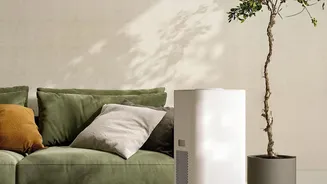
If you are genuinely concerned about indoor air quality, there are far more effective strategies than buying a few ferns. The most impactful approach is source control: reduce or eliminate things that release pollutants in the first place. Beyond that, the key is ventilation. Simply opening your windows for 10-15 minutes a day can dramatically improve air quality by allowing fresh outdoor air to circulate. Using exhaust fans in kitchens and bathrooms is also crucial for removing contaminants at the source. For a higher-tech solution, investing in a good air purifier with a HEPA (high-efficiency particulate air) filter is an effective way to remove airborne particles. Regularly changing the filters in your home's HVAC system can also make a significant difference.