






The Global Trigger: Oil and Conflict
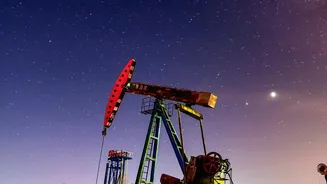
The price chain often starts with crude oil, the lifeblood of the global economy. Because India imports over 85% of its crude oil needs, it is highly exposed to global price swings. These prices are notoriously volatile, reacting instantly to geopolitical
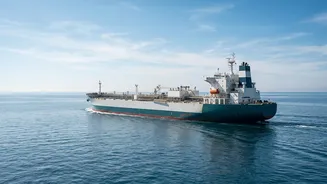
tensions. A conflict in a major oil-producing region like the Middle East, for instance, can disrupt supply routes like the Strait of Hormuz, through which about 20% of the world's oil passes. Fear of supply disruption alone can send prices soaring. This initial shock on the global market is the first link in the chain that eventually reaches Indian households.
From Crude to the Pump: The Fuel Price Link
The second link is the most visible one: the price of petrol and diesel at your local fuel station. When the cost of imported crude oil rises, oil marketing companies in India face higher procurement costs. These costs, combined with central and state taxes, dealer commissions, and refining charges, determine the final retail price. While governments can sometimes absorb a portion of the price shock to soften the blow for consumers, sustained high crude prices almost inevitably lead to higher fuel prices at the pump. This direct cost affects anyone who owns a vehicle, but its indirect effects are far more widespread.
The Transportation Domino Effect
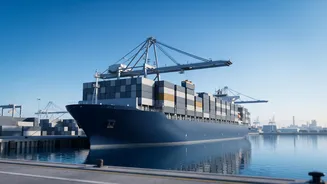
Higher fuel prices trigger a domino effect across the entire economy, starting with transportation. Diesel is the primary fuel for India's massive trucking industry, which moves the vast majority of goods across the country, from factory parts to fresh produce. When diesel becomes more expensive, the cost of freight transport rises. This is a form of 'invisible inflation'. Businesses that rely on logistics—which is nearly all of them—see their operating costs increase. These higher costs are then passed on to consumers in the form of more expensive goods and services, whether it's the vegetables at your local market or an online delivery.
Reaching the Farm: The Fertilizer Connection
The price of energy is also deeply connected to the cost of farming. First, diesel is used to power tractors and irrigation pumps. Second, and more critically, natural gas—whose price is often linked to oil—is the primary raw material for producing nitrogen-based fertilizers like urea. India is heavily dependent on imported natural gas and finished fertilizers to meet its agricultural needs. When global energy prices rise, so does the cost of producing or importing fertilizer. This increases the input cost for farmers, who may be forced to either use less fertilizer, potentially reducing crop yields, or pass the higher cost on, leading to more expensive grains and produce.
A Case Study: The Edible Oil Shock
Geopolitical conflicts can also disrupt the supply of specific commodities, as seen with edible oils. The Russia-Ukraine war provides a stark example. The Black Sea region is a major global supplier of sunflower oil, and India was a huge market. When the conflict escalated, it caused severe disruptions to processing and shipping, leading to port closures and drone attacks on infrastructure. This created a sharp reduction in sunflower oil exports to India. As a result, Indian importers were forced to seek alternatives like soyoil, and the reduced availability and higher freight and insurance costs pushed up the prices of cooking oils on supermarket shelves. This shows how a specific conflict can directly impact a staple item in the Indian kitchen.