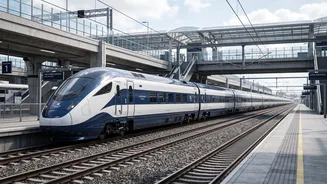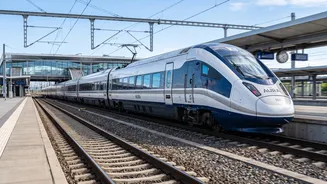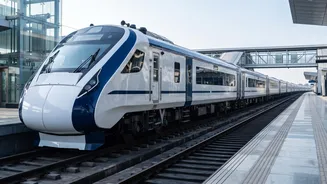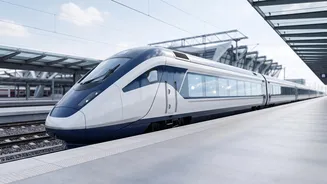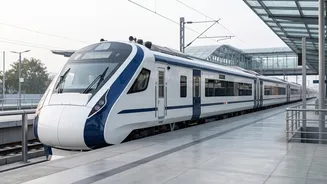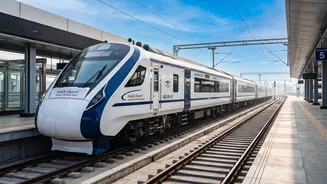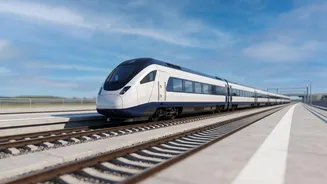



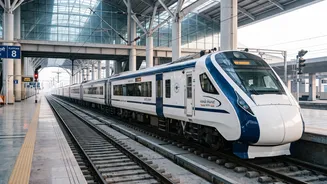
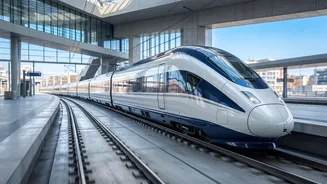
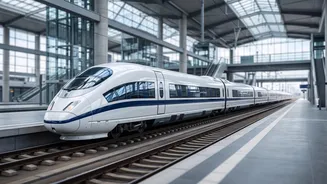
The excitement for a sleeper version of the modern Vande Bharat Express has been palpable among Indian travellers. Yet, the promise of a comfortable, high-speed overnight journey on these flagship trains remains just out of reach, with delays pushing
back its debut.
The Dream of a Modern Sleeper
For years, Indian Railways has been on a mission to modernise its fleet, and the Vande Bharat Express has been the crown jewel of this effort. These semi-high-speed, self-propelled trainsets have redefined day travel on many routes with their speed, comfort, and amenities. However, the true game-changer for a country as vast as India has always been the promise of a sleeper version. A Vande Bharat sleeper would directly challenge the premium Rajdhani Express trains, offering a faster and more modern alternative for overnight, long-distance routes that form the backbone of Indian travel. The initial plan involved creating a train that combined the speed and technology of the Vande Bharat platform with the necessity of comfortable sleeping berths, effectively creating a hotel on wheels for the 21st-century passenger.
What Passengers Are Waiting For
The planned Vande Bharat sleeper is not just a train with beds; it's envisioned as a complete upgrade to the overnight travel experience. Official designs and mock-ups have showcased a host of passenger-centric features intended to set a new standard. These include ergonomically designed, better-cushioned berths to minimise the discomfort of long journeys, sensor-based lighting in common areas and toilets, and improved ladder designs for easier access to upper berths. The interiors are expected to feature serene colour schemes and ambient lighting to create a restful atmosphere. Furthermore, the train's engineering is focused on providing a jerk-free, smooth ride, a significant improvement over the experience on many conventional trains. For passengers, this translates to the possibility of a genuinely restful night's sleep while travelling between major cities, arriving fresh at their destination.
A Timeline Derailed
The journey from concept to reality has been fraught with delays. The first prototype of the Vande Bharat sleeper was originally anticipated to roll out from its manufacturing facility much earlier. Timelines have been repeatedly revised, shifting from early 2024 to mid-2024, and now the wait continues into late 2026. These postponements have been attributed to a combination of factors. Reports from various stages of the project have pointed towards challenges in the supply chain for critical components, intricate design finalisation processes, and the sheer complexity of integrating sleeper functionalities into the existing Vande Bharat architecture without compromising on safety or speed. Manufacturing is primarily handled by the Integral Coach Factory (ICF) in Chennai and a consortium of BEML and Siemens, and coordinating the production of these highly advanced coaches has proven to be a formidable task.
The 24_Coach Ambition
The headline's mention of a 24_coach sleeper train points to the ultimate goal for these services. While the initial prototypes are expected to be 16_coach formations, similar to the current Vande Bharat chair cars, the long_term plan includes deploying longer 24_coach rakes on high_demand trunk routes. This would allow the Vande Bharat sleepers to match the capacity of the Rajdhani and Duronto trains they are meant to compete with and eventually replace. A 24_coach train would consist of a mix of AC 1, AC 2, and AC 3 tier coaches, catering to different budget segments while maintaining a premium standard across the board. However, before these longer trains can be deployed, the 16_coach prototype must first be successfully manufactured, tested, and commissioned into service, a milestone that is yet to be achieved.
The Road Ahead for Sleeper Trains
So, what is the current status? According to the latest updates, the first Vande Bharat sleeper prototype is in the final stages of production. Officials remain optimistic about an imminent rollout for trials, though a firm, public launch date for commercial service is still not confirmed. Once the first rake is ready, it will undergo extensive testing and trials by the Research Designs and Standards Organisation (RDSO) before it is cleared to carry passengers. The delays, while frustrating for eager travellers, underscore the complexity of developing and deploying next_generation railway technology. The focus remains on ensuring the final product is safe, reliable, and delivers on its promise of a superior travel experience. For now, passengers must continue to rely on the existing network of Rajdhani, Duronto, and other superfast trains for their overnight travel needs.