

What We Left Behind
Before we embrace the new, let’s remember the old 90s. This was the era of decorative overload: walls were sponge-painted in hunter green and burgundy, kitchens leaned heavily into Tuscan-inspired faux finishes, and floral chintz covered everything from
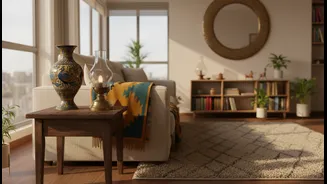
sofas to wallpaper borders. The aesthetic, while layered and personal, was often defined by its visual noise—an accumulation of competing patterns, textures, and objects that could feel cluttered and overwhelming. It was a decade of abundance that, through today's eyes, can sometimes look fussy or dated.
The New 90s: Warmth Meets Minimalism
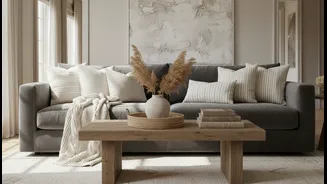
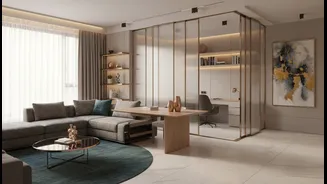
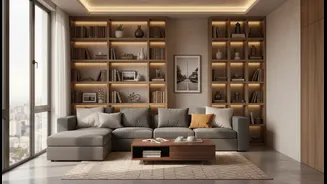
Today’s revival is less a direct copy and more a thoughtful evolution. After years of stark, cool-toned minimalism, we’re craving homes that feel cozy and lived-in again. The new 90s look cherry-picks the best parts of the decade—its emphasis on comfort, personality, and quality—and filters them through a contemporary lens. It ditches the fussy details in favour of clean lines, but keeps the inviting feeling. This isn’t about recreating a set from a 90s sitcom; it's about blending nostalgic warmth with the calm, uncluttered principles of modern design.
Keep: Softer Shapes and Curved Lines
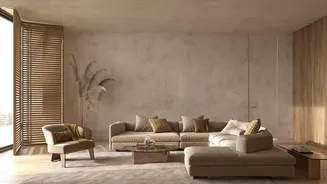
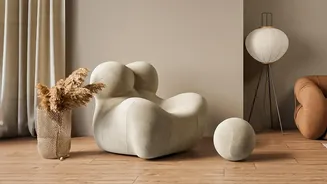
One of the most welcome returns from the 90s is the curve. Rigid, geometric furniture is giving way to sofas with rounded silhouettes, sculptural armchairs, and circular coffee tables that soften a room’s hard edges. These softer forms help define zones in open-plan spaces and create a more inviting, conversational atmosphere. While the 90s had its share of bulky, overstuffed pieces, today’s curved furniture feels lighter and more sculptural, offering physical comfort without the visual weight.
Keep: Natural Woods and Finishes
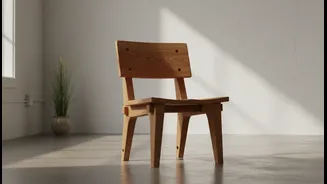
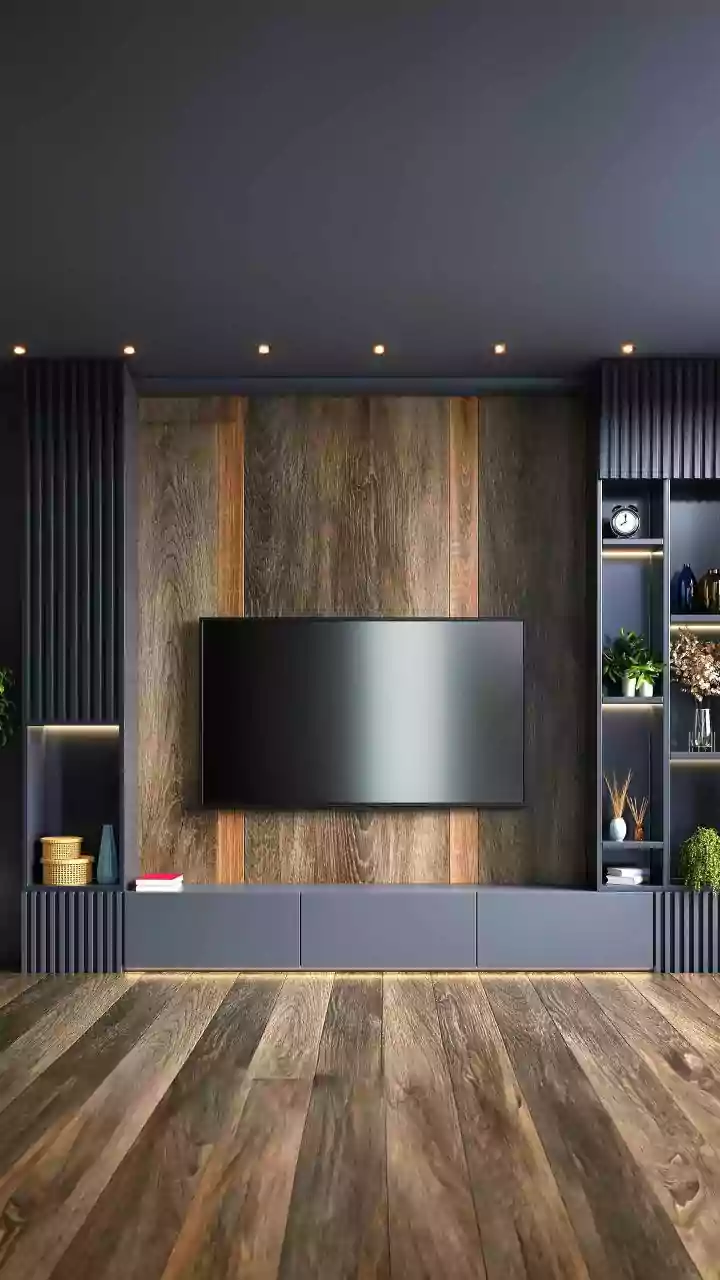
Honey-toned woods like pine, oak, and maple, which were staples in 90s kitchens and furniture, are making a major comeback. These warmer wood tones are a direct reaction against the years of cool grays and stark whites, bringing a natural coziness back into our spaces. The modern update involves using these woods in pieces with cleaner lines—think fluted bathroom vanities, streamlined cabinets, or wide-plank European oak flooring. The goal is to let the warm, rustic grain shine without the heavy, ornate detailing of the past.
Drop: Overwhelming Colour Palettes
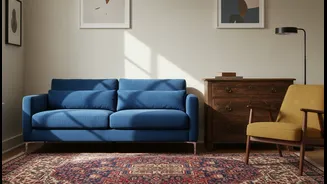
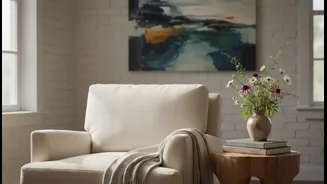
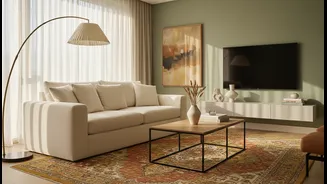
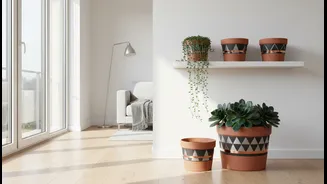
While the original 90s embraced deep, saturated colours like hunter green and burgundy, the revival opts for a much calmer palette. To reduce visual noise, the new look is built on a foundation of warm neutrals: creamy whites, beige, and earthy tones like terracotta and sage green. Colour is used more intentionally. Instead of painting an entire room in a bold hue, the modern approach is to add a pop of colour through a single accent chair or a piece of art, creating a focal point without overwhelming the senses.
Drop: Clutter and Competing Patterns
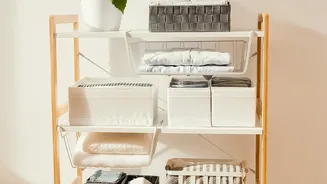
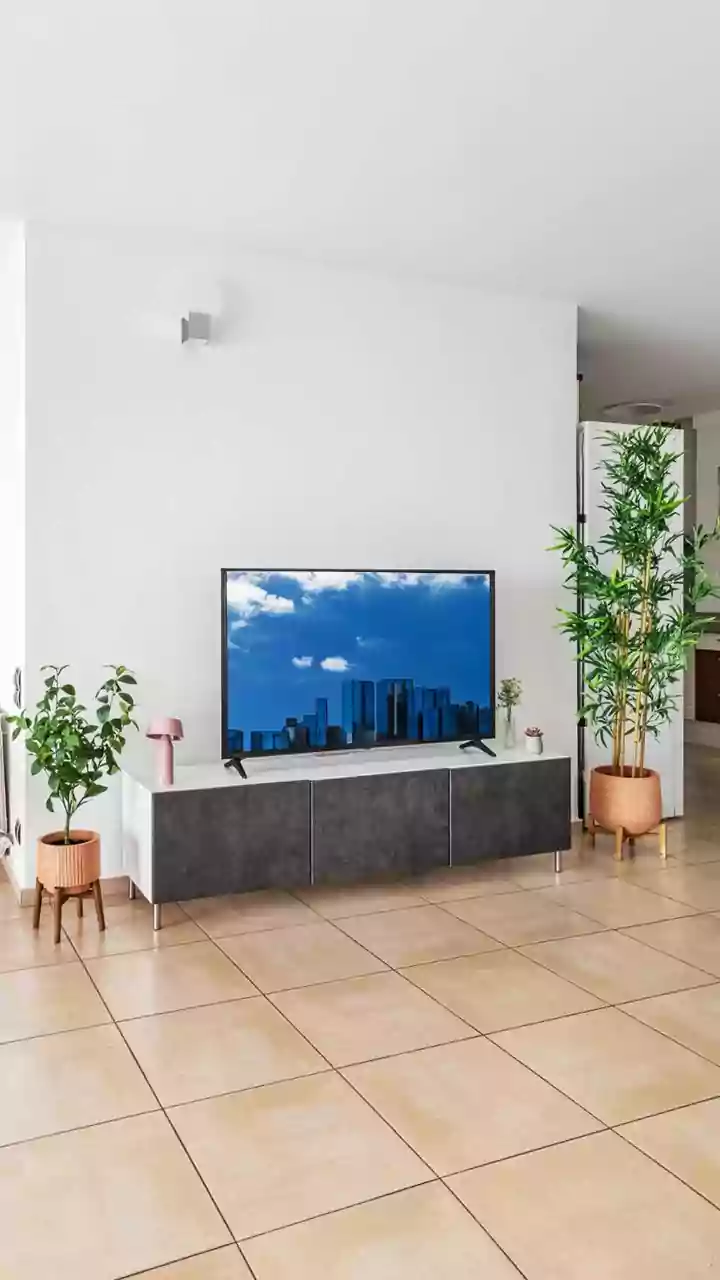
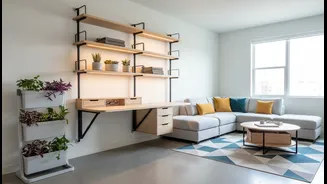
The “flea market” look, where patterns were layered with abandon, was a hallmark of 90s eclecticism. Today, the approach is more curated. Visual noise is reduced by applying the “less is more” principle to decor. Instead of filling every surface, the new 90s look champions negative space, allowing a few meaningful objects to stand out. Similarly, busy floral patterns and competing prints are swapped for rich, solid textures like bouclé, linen, and velvet. This creates depth and interest without the chaos, proving that a room can feel layered and personal without being cluttered.