





The New Battleground: Beyond the Metros
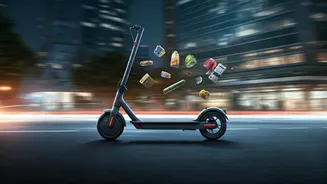
Quick commerce, the ultra-fast delivery of goods from local warehouses or 'dark stores', has fundamentally changed urban shopping habits. [15] What started with groceries has morphed into an "everything commerce" model, delivering electronics, toys, and
beauty products in minutes. [2] For platforms like Zomato's Blinkit, Swiggy's Instamart, Zepto, and now Flipkart Minutes and Amazon Now, the metro markets were the proving grounds. [3, 6] But with over 90% of the business coming from the top eight cities, those markets are getting crowded and competitive. [2] The next logical step, and the new battleground for growth, is India's vast landscape of Tier-2 and Tier-3 cities. [3] Companies are recognizing that while India has around 50 Tier-1 cities, there are over 400 in the next tiers, representing a massive, largely untapped consumer base. [3]
Why the Rush to Smaller Cities?
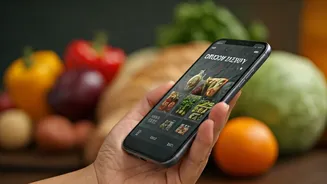
Several factors are driving this expansion. Firstly, there's the search for new growth after validating the model in dense urban clusters. [3] Secondly, the infrastructure and consumer readiness in smaller cities have evolved significantly. Widespread smartphone use, strong UPI adoption, and the familiarity with e-commerce have prepared the ground. [3] Thirdly, the consumption gap between metros and non-metros is narrowing, with rising incomes and aspirations in cities like Jaipur, Lucknow, Indore, and Coimbatore. [3] The assumption that consumers in these cities don't value speed is being challenged; the proposition is shifting from pure speed to dependability and reliable access to a wider variety of goods. [3, 10] For companies, the economics can also be more favorable, with lower real estate costs for dark stores and potentially lower employee turnover. [3]
A Different Playbook for a Different Market
Simply copying and pasting the metro model won't work. Success in smaller cities requires a hyperlocal strategy. [4] This includes curating product selections that match local tastes and preferences, which can be very different from those in big cities. [9] While the 10-minute promise might be the headline grabber in Mumbai, in a smaller town, a reliable 30-minute delivery for a planned weekly purchase might be more valued. [5, 9] Companies are adapting their operations, sometimes using smaller dark stores or partnering with local retailers. [9, 13] Flipkart, for instance, has noted that while metro orders are often impulse-driven, customers in Tier-2 and Tier-3 cities tend to build larger baskets, indicating more planned purchasing behaviour. [12] This shift requires a more nuanced approach to inventory, pricing, and marketing. [9]
The Hurdles on the Road to 'Bharat'
The expansion is not without significant challenges. A primary hurdle is lower order density. [4] Dark stores are profitable only when they process a high volume of orders, often over 1,000 per day—a number that's hard to achieve in less populated areas. [4, 5] This dynamic can increase the break-even point for a dark store in a smaller city by 1.5 to 2 times compared to a metro. [4] Furthermore, players face stiff competition from the deeply entrenched local kirana stores, which often have strong personal relationships with customers and offer informal credit. [4, 5] Overcoming low digital literacy and building trust among new users are other key challenges. [4, 9] Non-metro areas still account for about 20% of the total quick commerce market, highlighting the difficulty in cracking these locations profitably. [4, 5]
The Future of Quick Commerce
The race is on, with all major players aggressively expanding. Flipkart Minutes has scaled to 1,000 micro-fulfilment centres across 130 cities, with a significant focus on smaller markets. [6, 12] Zepto is seeing positive traction in cities like Nashik and Jaipur, while Blinkit continues its aggressive dark store expansion. [2, 19] The entry of giants like Amazon, which plans to scale its Amazon Now service to over 300 cities, is set to further intensify the competition. [6, 25] The model is also evolving beyond just groceries to include a wider range of products and even services. [3] This expansion brings convenience to millions of new customers and creates jobs, but also raises concerns about the impact on traditional small retailers. [10]