







Why India's Economy Is So Vulnerable
India's economy is deeply intertwined with global energy markets, primarily because it is one of the world's largest importers of crude oil. The nation depends on imports for over 88% of its crude oil needs, making it highly susceptible to price swings
and geopolitical tensions in oil-producing regions. This heavy reliance means that when international oil prices rise, the cost of bringing that oil into the country—the import bill—soars. In the first five months of the current financial year alone, India's oil import bill jumped significantly due to higher global prices, even as the volume of imports remained stable. This isn't just a problem for the government's finances; it creates a domino effect that ripples through the entire economy.
From the Pump to Your Pocket
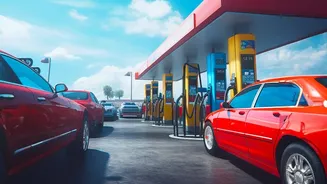
The most immediate and visible impact of rising crude prices is at the petrol pump. Even if domestic fuel retailers don't pass on the full increase immediately, sustained high prices eventually lead to hikes in petrol and diesel. But the effect goes far beyond what you pay to fill up your vehicle. Diesel is the lifeblood of India's logistics and transport sector, powering the trucks that move everything from fresh produce to factory goods across the country. When transportation costs rise, so does the price of nearly every item you buy. Economists estimate that for every $10 increase in the price of a barrel of crude oil, India's headline inflation can rise by as much as 0.49 percentage points. This is known as second-round inflation, where rising fuel costs lead to price increases in other sectors.
The Broader Economic Ripple Effect
The impact of expensive oil extends to manufacturing, aviation, and agriculture. Industries that use petroleum-based raw materials, like chemicals and paints, see their input costs surge. Airlines face compressed margins due to higher jet fuel prices. Even farmers feel the pinch, as diesel is often used to run irrigation pumps and tractors. This widespread increase in costs across sectors puts pressure on the overall inflation rate. India’s retail inflation rose to 4.82% in August 2026, driven partly by rising transport and food prices. Analysts warn that if crude prices remain elevated, inflation could climb toward the 6% mark, which is the upper limit of the Reserve Bank of India's (RBI) tolerance band.
The Government and RBI's Balancing Act
Faced with rising oil prices, the Indian government and the RBI are caught in a difficult position. The government can choose to absorb the shock by cutting excise duties on fuel, but this strains its finances. Alternatively, it can allow oil marketing companies to raise prices, which fuels inflation and hurts household budgets. Meanwhile, the RBI's primary mandate is to control inflation. Sustained high inflation driven by oil prices puts the central bank under pressure to raise interest rates. Higher interest rates can help cool down prices, but they also make loans more expensive for consumers and businesses, which can slow down economic growth. This creates a challenging trade-off between managing inflation and supporting growth.