





The Most Important Millet Hack
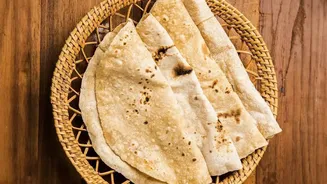
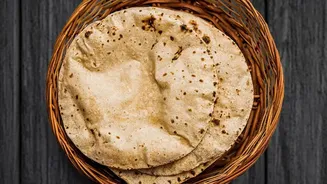
The single most important secret to soft millet rotis is using boiling hot water to make the dough. Millet flours like jowar, bajra, and ragi are gluten-free, which is why they don't stretch and often crack. Hot water gelatinizes the starches in the flour,
making it more pliable and easier to handle, mimicking the effect of gluten. The second rule is to knead the dough while it is still warm. A warm dough is flexible, but a cold one becomes brittle. Knead for at least 4-5 minutes until it is smooth, let it rest for a short time under a damp cloth, and then work quickly.
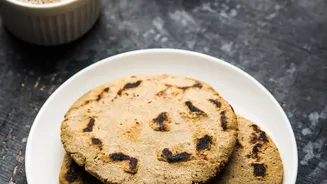
Hack 1: Mastering Jowar (Sorghum) Roti
Jowar flour is a great starting point for beginners because it has a mild, slightly sweet taste. For the softest jowar rotis, the hot water method is essential. Use a 1:1 or a 1:0.75 ratio of flour to boiling water. After adding the boiling water and letting the flour absorb it for a minute, knead it well. Jowar rotis should be rolled a little thicker than wheat rotis, about 4-5 mm, to prevent them from breaking. They pair beautifully with dal, sabzi, or the traditional Maharashtrian pithla (besan curry).
Hack 2: Perfecting Bajra (Pearl Millet) Roti
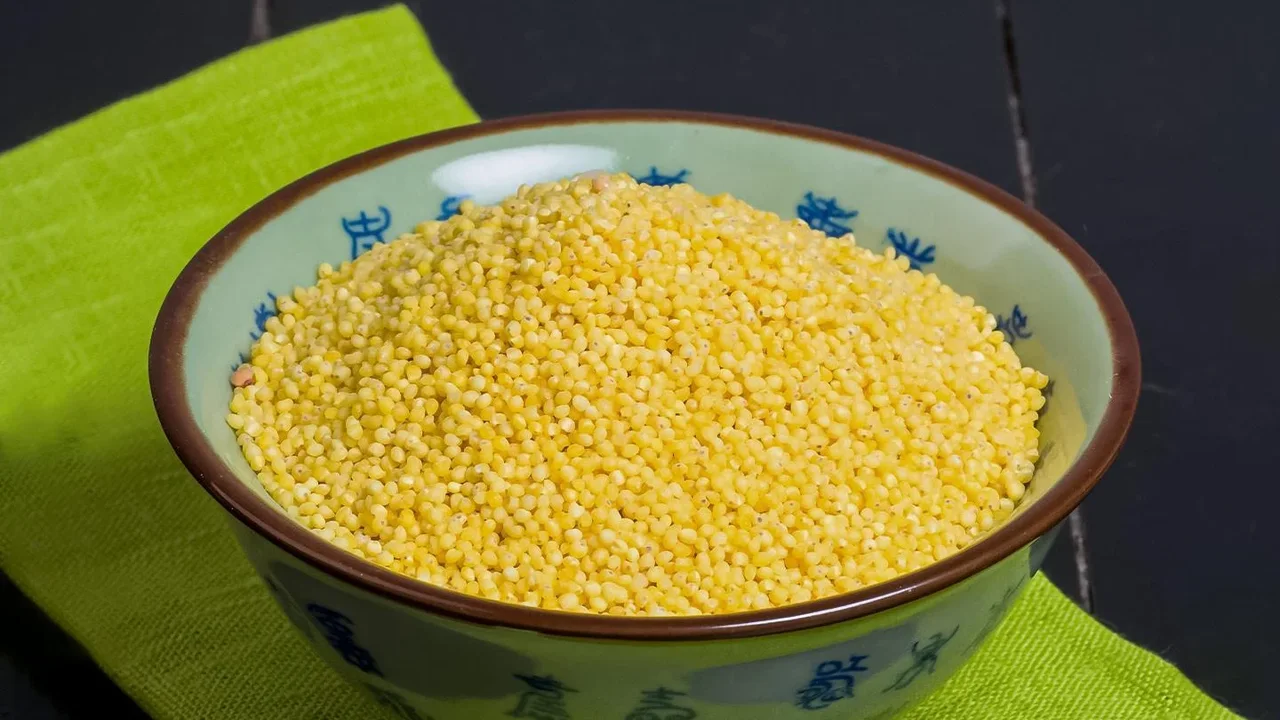
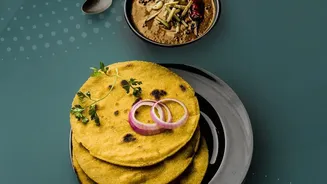
Bajra has a distinct earthy flavour and is known for its warming properties, making it a winter favourite in regions like Rajasthan and Gujarat. The dough can be slightly sticky, so it helps to keep a bowl of water nearby to wet your hands while patting or rolling out the roti. For extra softness, some cooks add a tablespoon of curd or a teaspoon of ghee into the dough while kneading. Bajra rotis are best served immediately, as they tend to harden faster than jowar rotis. They are traditionally enjoyed with a dollop of ghee, jaggery, and garlic chutney.
Hack 3: Working with Ragi (Finger Millet) Roti
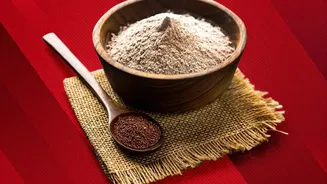
Ragi is a nutritional powerhouse, packed with calcium, but its dough can be the most challenging to handle. Again, boiling water is non-negotiable. For an easier time, you can mix in a small amount of whole wheat or jowar flour to improve binding. Some recipes also suggest adding a tablespoon of yogurt to make the dough softer and more manageable. Because of its dense nature, ragi rotis are best paired with lighter accompaniments like coconut chutney or a simple yogurt-based curry.
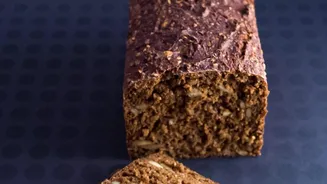
Bonus Hack: A Simple Millet Bread
Making gluten-free bread with millet flour at home might seem intimidating, but it’s quite achievable. A common technique involves creating a binder to replace gluten. You can make a gel by mixing psyllium husk (isabgol) with warm water and letting it thicken. For a simple loaf, combine jowar and ragi flours with the psyllium gel, instant yeast, a little jaggery or honey for the yeast, olive oil, and warm water. Knead this sticky dough, let it rise once, shape it in a loaf tin, and bake until golden. It’s crucial to let the bread cool completely before slicing to prevent a gummy texture.