


The Comprehensive Vehicle Health Check
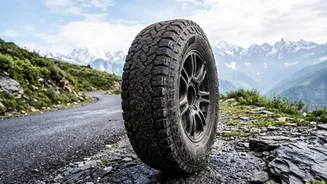
Mountain roads test a vehicle's limits, and post-monsoon conditions add extra stress. Before you even think about packing, give your car a complete inspection. Start with the tyres. Ensure they have a tread depth of at least 3mm, as worn tyres will have poor
grip on slippery, gravelly, or muddy patches left by the rains. Check for any cuts or bulges on the sidewalls. Don't forget the spare tyre; it should be properly inflated and accessible. Brakes are non-negotiable. Get the brake pads and fluid levels checked. Any squealing or grinding noises need immediate attention. Long downhill drives can cause brakes to overheat and fail, a risk you cannot afford. Under the bonnet, inspect all essential fluids: engine oil, coolant, and brake fluid should all be at their recommended levels. Coolant is especially vital, as long uphill climbs put a heavy load on the engine. Finally, test all your lights—headlights (both high and low beam), tail lights, brake lights, and fog lamps. Post-monsoon fog is common, and you need to see and be seen.
Route and Weather Intelligence
The biggest danger after the monsoon isn't just a breakdown, but the road itself. Landslides, washed-out sections, and sudden water crossings are common. Never start your journey without checking the current road status. Local police advisories, state PWD websites, and reliable travel forums are your best sources for real-time information. Be aware that a road open yesterday might be closed today. Small pebbles scattered on the road can be a warning sign of an unstable slope above. It's also crucial to have your route planned with offline maps, as mobile network coverage is notoriously patchy in remote areas. Avoid driving at night. Visibility drops, and it becomes nearly impossible to spot hazards like black ice or fresh rockfall. Black ice, a transparent layer of frozen moisture, is a particular danger on shaded road sections or bridges, especially as temperatures drop. Always plan to reach your destination well before sunset.
Your In-Car Emergency Arsenal
In the Himalayas, you are your own first responder. Your emergency kit can make the difference between a minor inconvenience and a serious situation. A comprehensive first-aid kit is the first thing you should pack. This should include basics like bandages and antiseptic, as well as medication for headaches, stomach upsets, and importantly, altitude sickness (like Diamox). A portable oxygen cylinder or a pulse oximeter can also be life-savers at high altitudes. Your vehicle toolkit should contain more than the basics. A heavy-duty air compressor and a puncture repair kit are essential. Add a tow rope, shovel, and jumper cables. These can be invaluable if you or another traveller gets stuck in mud or slush, a frequent occurrence on post-monsoon roads. Pack a powerful flashlight or a head-mounted torch with extra batteries. Finally, carry enough drinking water and non-perishable snacks like energy bars and dry fruits to last at least 2-3 days in an emergency.
Driver and Personal Preparedness
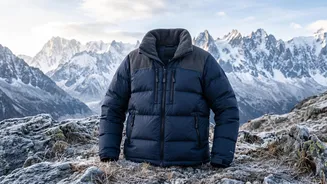
The most important safety feature in any car is a prepared driver. Ensure you are well-rested before you begin. Fatigue is a major risk on long, winding roads. Share driving duties if possible and plan your itinerary with reasonable daily driving hours, factoring in breaks. Acclimatisation is key to avoiding Acute Mountain Sickness (AMS). Plan your ascent gradually, allowing your body to adjust to the lower oxygen levels. If you feel symptoms like headaches, nausea, or dizziness, do not ascend further. Pack your clothing in layers. The weather can change in an instant, from sunny to freezing. Include thermals, a fleece jacket, a waterproof and windproof outer layer, woollen socks, gloves, and a warm hat. Lastly, carry all essential documents, including your driving license, vehicle registration, insurance, and pollution certificate. Keep both original and digital copies. Inform a friend or family member who is not travelling with you about your detailed itinerary and check in with them regularly.