
Fresh, Frozen, or Canned?
The first decision is which type of pea to use, and it significantly impacts the final dish. Fresh peas, available in winter, have a sweet, crisp flavour but a very short shelf life; their sugars turn to starch within days of picking. Canned peas are
convenient but are often soft, mushy, and less vibrant in flavour, making them a poor choice for dishes where texture matters. For most rice preparations like matar pulao, frozen peas are the superior choice. They are flash-frozen at peak ripeness, which preserves their sweetness, texture, and nutrients remarkably well. This means you get a near-fresh taste and a firm bite year-round, without the tedious task of shelling.
The Secret to a Vibrant Green Colour
One of the biggest disappointments in a pea-studded rice dish is when the vibrant green gems turn a dull, sad olive colour. The secret to preventing this lies in how and when you cook them. Sautéing peas for too long is a common mistake that causes them to lose their colour. To keep them bright, you can employ a simple technique called blanching. Briefly boil the peas in salted water for a minute or two until they turn bright green, then immediately drain them. Some cooks even rinse them under cold water to stop the cooking process. These blanched peas can then be folded into the rice at the very end of the cooking process, ensuring they are heated through without being overcooked.
Perfect Timing is Everything
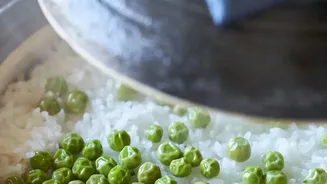
The moment you add your peas to the pot is crucial for achieving the perfect texture. If added too early with uncooked rice, they will inevitably become soft and mushy by the time the rice is done. For frozen peas, there are two excellent methods. The first is to stir them into the rice just as the last of the water is being absorbed, right before you cover the pot for the final steam (or 'dum'). The residual heat and steam are just enough to cook them to perfection. The second method, particularly for rice cookers, is to add the frozen peas right after the cooking cycle finishes. Simply fold them into the hot rice, close the lid, and let it stand for 5-10 minutes. The trapped steam will gently thaw and cook them, preserving their pop.
Essential Flavour and Spice Pairings
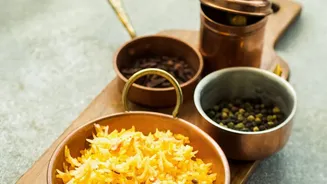
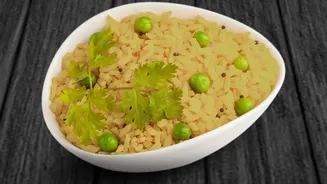
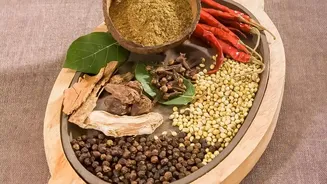
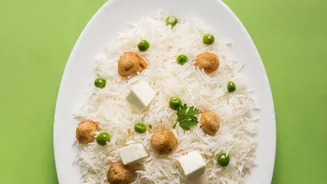
Peas have a delicate sweetness that pairs beautifully with a host of aromatic Indian spices. Matar Pulao, the classic green pea pilaf, demonstrates this perfectly. The foundational flavours often start with blooming whole spices in hot ghee or oil. Cumin seeds (jeera), bay leaf, cloves (laung), green and black cardamom, and a small stick of cinnamon are essential for creating that fragrant base. Finely sliced onions, sautéed until golden brown, provide a deep, sweet foundation that determines the final colour of the pulao. Ginger and garlic paste adds pungency, while a slit green chilli offers a fresh kick of heat. For an added layer of aroma, many recipes call for fresh mint leaves (pudina) and a finishing touch of garam masala.
Beyond the Basic Pulao
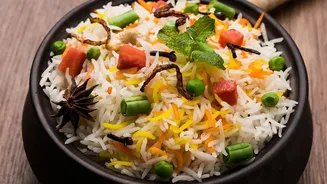
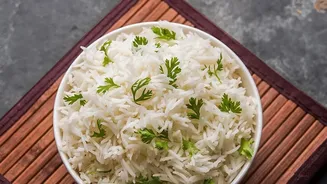
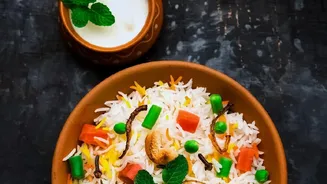
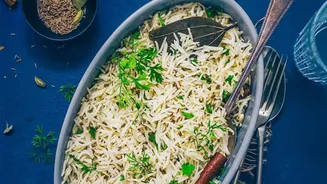
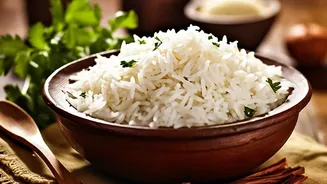
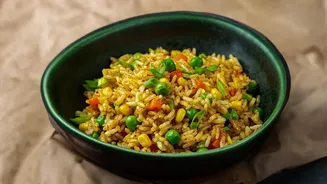
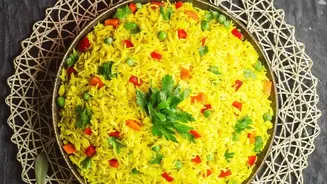
While Matar Pulao is the star, green peas can elevate many other rice dishes. In a Vegetable Biryani, peas add a pop of sweetness and colour amidst the other vegetables and fragrant, layered rice. They are also a classic ingredient in simple fried rice, where they can be stir-fried from frozen along with other quick-cooking vegetables like carrots and corn. Even a basic Jeera Rice can be upgraded by tossing in some peas towards the end of cooking for a simple yet satisfying side dish. The key is always the same: add them late in the cooking process to maintain their texture and bright appearance. Use aged, long-grain basmati rice whenever possible, as its lower moisture content helps prevent the final dish from becoming sticky or mushy.