

What to See: October's Celestial Highlights
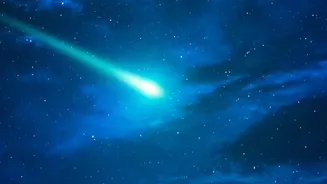
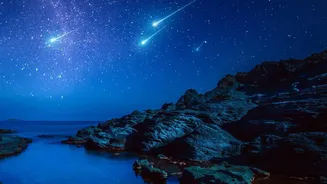
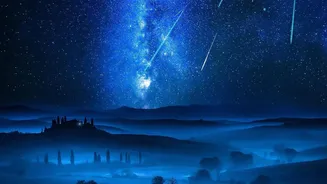
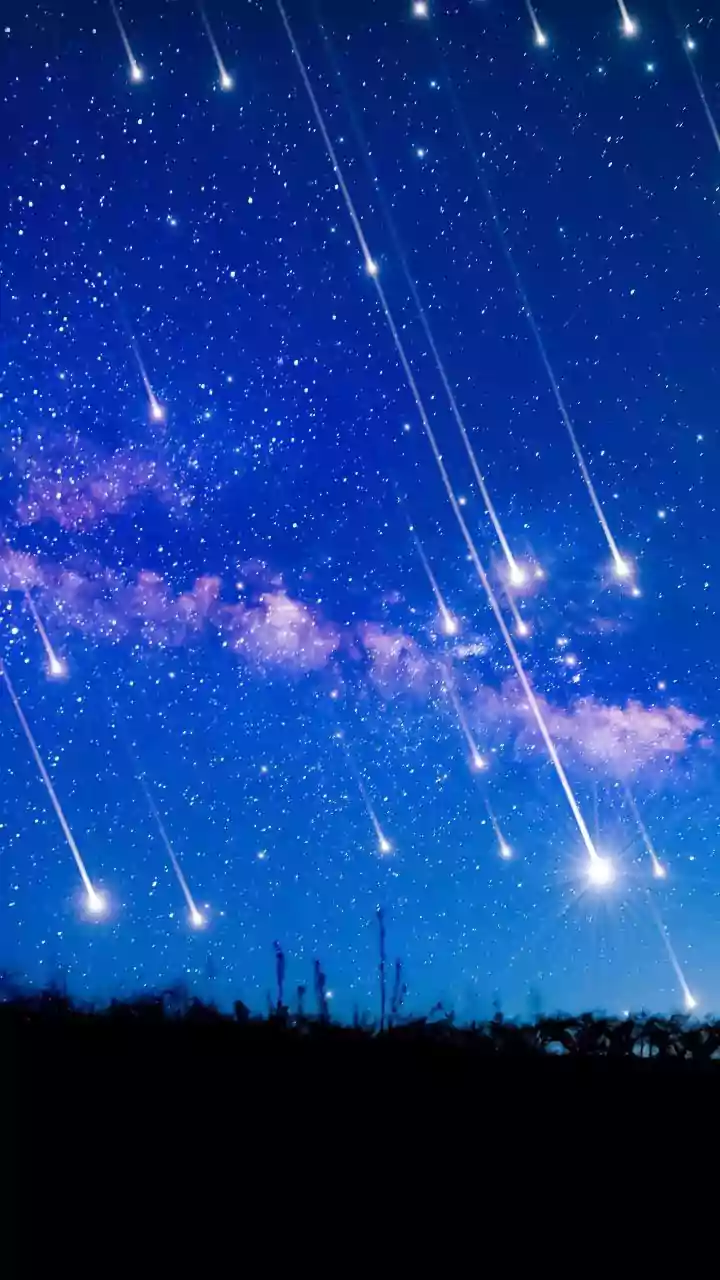
October 2026 is bustling with cosmic activity. The month features two meteor showers: the Draconids and the Orionids. The Draconids, active from October 6-10, are best viewed in the early evening. They are expected to peak around October 8-9 under excellent,
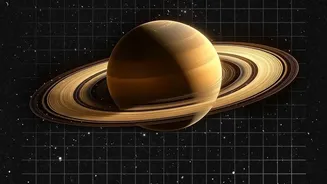
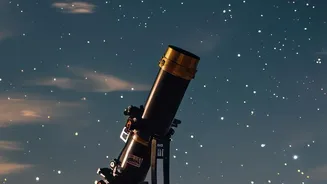
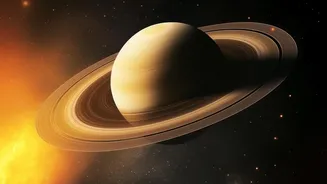
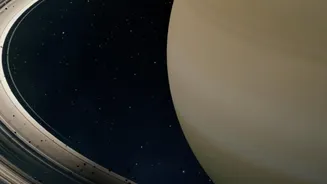
nearly moonless conditions, making them a top target. While typically a minor shower with about 10 meteors per hour, the Draconids are known for unpredictable outbursts. Later in the month, the famous Orionid meteor shower, born from the debris of Halley's Comet, peaks on the night of October 21-22. Expect to see 15 to 25 fast, bright meteors per hour in a dark sky. Beyond shooting stars, Saturn is in a prime viewing position all month after reaching opposition on October 4, making its rings a spectacular sight through a telescope. A special event occurs on October 6, when the Moon passes in front of Jupiter, a rare event known as a lunar occultation.
Planning Around the Moon
The Moon is the brightest object in the night sky, and its phase can make or break your stargazing session. Its glare can wash out all but the brightest stars and meteors. For October 2026, the New Moon falls on October 10. The days surrounding this date will offer the darkest skies, perfect for viewing faint objects. This timing is ideal for the Draconid meteor shower, which peaks just before the new moon. The Full Hunter's Moon occurs on October 26. The nights leading up to and following this date will be very bright. The Orionid meteor shower peak on October 21-22 unfortunately coincides with a bright, waxing gibbous moon that is about 80% full. However, there is a window of opportunity: the Moon will set a few hours before dawn, creating a period of darkness ideal for catching the peak of the shower. A good rule of thumb is to plan deep-sky viewing when the moon's illumination is under 25%.
Dealing with Unpredictable Cloud Cover
A perfect astronomical event means nothing if it's hidden behind a blanket of clouds. Weather in India, especially as seasons transition, can be unpredictable. Before heading out, always check a reliable forecast. Standard weather apps are a start, but for astronomy, more specialised tools are better. Apps like Astrospheric, Clear Outside, and Skymet Weather provide detailed information on cloud cover at different altitudes, transparency (clarity of the air), and 'seeing' (atmospheric stability). Many of these apps offer hourly breakdowns, which are crucial because conditions can change rapidly after sunset. It's wise to consult multiple sources, as different forecast models can sometimes disagree. Having a few potential viewing dates for an event like a meteor shower gives you flexibility to pick the clearest night.
Escaping the City Glow
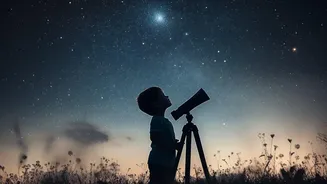
For millions in India, the biggest obstacle to seeing the stars is the pervasive glow of artificial lights. Light pollution from cities creates a bright haze that can hide the Milky Way and all but the most prominent stars and planets. Getting the best view often requires a journey. India is home to several excellent dark-sky locations, including Hanle in Ladakh (India's first official Dark Sky Reserve), Spiti Valley, the Rann of Kutch, and parts of the Thar Desert near Jaisalmer. These sites are rated on the Bortle Scale, which measures sky darkness from 1 (pristine) to 9 (inner city). If you can't travel, you can still improve your view. Find a local park or open space away from direct streetlights. Allow your eyes 20-30 minutes to adapt to the darkness; this means putting your phone away. If you need a flashlight, use one with a red light setting, as red light is less harmful to your night vision.