







The Old Guard: Comfort and Caution
For generations, the monsoon diet has been guided by a mix of comfort and caution. The craving for deep-fried snacks like pakoras and samosas, paired with hot masala chai, is a cultural staple. [17] This was complemented by Ayurvedic wisdom that advised
against certain foods. [11] Traditionally, leafy greens were avoided due to the high risk of contamination from mud and germs, and raw foods were shunned because the damp weather was believed to weaken our 'digestive fire' or 'agni'. [19, 20] The focus was on warm, cooked meals and avoiding anything that could easily harbour bacteria, a practical approach to preventing common water-borne and food-borne illnesses that spike during this season. [12, 18]
The New Focus: Gut Health First
The biggest shift in modern monsoon diets is the intense focus on gut health as the foundation of immunity. Nutritionists now widely recommend incorporating probiotic-rich foods to build a strong gut microbiome. [5, 9] This means fresh curd and buttermilk are highly encouraged. [2] These foods introduce beneficial bacteria that help defend against pathogens. [11] The logic is simple: a healthy gut is better equipped to fight off the infections that are rampant during the rainy season. This trend moves beyond simply avoiding bad bacteria to actively cultivating good bacteria as a primary line of defense against seasonal ailments. [6, 18]
Immunity is the New Comfort Food
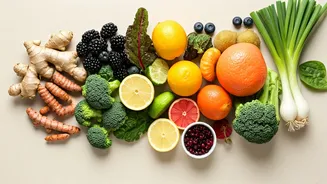
While pakoras remain a guilty pleasure, the definition of 'comfort food' is expanding. Today, the real comfort comes from feeling healthy and protected. There's a strong pivot towards foods that actively boost the immune system. [3, 7] Traditional spices, long used in Indian kitchens, are now celebrated for their specific immunity-boosting properties. Turmeric is prized for its anti-inflammatory curcumin, ginger for its antibacterial effects, and garlic for its antimicrobial compounds. [2, 3, 14] The focus is less on heavy, oily foods and more on light, nourishing options like warm soups and broths packed with vegetables and spices. [5, 16]
Hydration Gets a Smart Upgrade
Staying hydrated has always been key, but the makeover here is in *how* we hydrate. While drinking boiled or filtered water remains a non-negotiable rule to avoid waterborne diseases, the trend is to enhance this habit. [12, 13] Instead of plain water, there is a growing emphasis on herbal teas and kadhas. [2] Brews made with tulsi, ginger, cinnamon, and black pepper not only provide warmth and comfort but also deliver antiviral and anti-inflammatory benefits. [10, 11] These warm, spiced drinks help soothe the throat, aid digestion, and keep the body's internal systems strong against infections. [9]
Rethinking Leafy Greens and Raw Foods
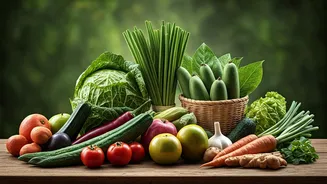
The old rule was to completely avoid leafy greens. The new, more nuanced approach is about safe preparation. While the risk of contamination is real, modern advice focuses on thorough washing—often with a salt or vinegar water soak—and proper cooking. [19] Steaming or stir-frying vegetables is now preferred over eating them raw. [10] So, instead of a cold raw salad, which is still largely advised against, you can enjoy well-cooked spinach or other greens. [9, 19] Similarly, seasonal fruits like pomegranate, apples, and pears are recommended, but only after they have been washed meticulously and peeled. [14, 18]
Lighter Meals, Smarter Choices
The understanding that digestion slows down during the monsoon remains a core principle, drawn from both Ayurveda and modern science. [15, 19] However, the application has been refined. The trend is to favour light, easily digestible meals over heavy, greasy curries and non-vegetarian dishes. [12] Simple, freshly prepared foods like khichdi, moong dal, and steamed vegetables are championed. [15, 18] These meals provide sustained energy without burdening the digestive system, preventing issues like bloating and indigestion that are common in the humid weather. [2, 10]