







The New National Pastime
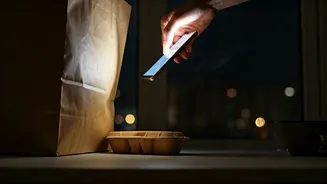
It’s official: ordering food well past traditional dinner times has become a mainstream habit across urban India. Food delivery platforms report that late-night orders have doubled over the past year alone. While major sporting events like the recent
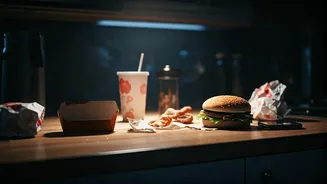
FIFA World Cup cause temporary spikes of 12-15% in orders placed between 11 PM and 3 AM, the underlying trend is a permanent feature. This isn't just a metro phenomenon. While Bengaluru, Hyderabad, and Mumbai lead the charge, emerging cities like Surat, Thiruvananthapuram, and Patna are recording significant growth in late-night deliveries, showing how widespread this behaviour has become. The most popular items are predictable comfort foods: pizzas and burgers are consistent top-sellers for the post-midnight crowd. This surge signals the rise of a robust 'night economy', a measurable output of services and consumption that happens while most of the country sleeps.
Work Has Left the Building
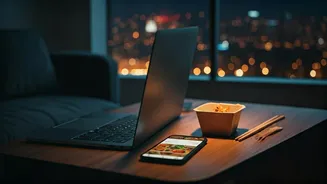
One of the biggest drivers of this nocturnal shift is the fundamental change in our relationship with work. The rigid 9-to-5 structure has been replaced by flexible, and often longer, working hours. For many, the office is now home, blurring the lines between professional and personal time. India’s role as a back office for global companies means thousands of employees work night shifts to align with international time zones. This, combined with the rise of the gig economy and deadline-driven creative professions, means work often extends late into the night. Studies show that these long and irregular hours directly impact eating habits, leading to skipped meals and a greater reliance on convenience. The evening meal, once a structured family affair, is now often a solo activity dictated by the end of a long workday, whenever that may be.
The Binge-Watch and Bite Effect
Alongside changing work culture is the powerful influence of on-demand entertainment. The rise of streaming platforms has made binge-watching a primary form of evening relaxation. This has effectively created a new meal occasion, often dubbed the 'fourth meal'. As audiences get engrossed in back-to-back episodes, the desire for a companion snack or meal grows. Food delivery apps have been quick to capitalize on this, creating dedicated 'late-night cravings' sections and sending push notifications timed to peak viewing hours. This has turned the act of watching content at home into a major dining occasion, fuelling demand for everything from desserts and ice cream to full meals, delivered directly to the couch. The pairing of entertainment and on-demand food has become a central pillar of modern urban leisure.
A Utility, Not a Luxury
Perhaps the most significant shift is psychological. For a growing number of urban Indians, food delivery is no longer a treat but an essential utility, as basic as electricity or Wi-Fi. The expectation of immediate, 24/7 access to goods and services is now the norm. This is reflected in the rapid expansion of 'dark stores' and quick-commerce infrastructure, with platforms competing to deliver not just meals but also groceries and snacks in minutes, at any hour. Major fast-food chains like McDonald's and Domino's are extending their delivery hours to as late as 3 AM in many cities to cater to this round-the-clock demand. This normalisation of convenience has fundamentally integrated on-demand services into the fabric of daily life, where waiting is no longer an option.