







Letting Go of the All-or-Nothing Mindset
For many, healthy eating feels like a daunting, all-or-nothing commitment. You’re either eating clean—salads, lean proteins, and complex carbs—or you’re failing with a slice of cake or a samosa. This rigid mindset is not only stressful but often unsustainable.
The guilt associated with a single indulgence can derail an entire week of healthy habits. The good news is that science is increasingly showing us a more flexible and forgiving path. The key isn't to eliminate every “bad” food but to consciously increase the “good” ones. Studies suggest that even small, incremental changes, like adding more fibre and plant-based foods, can lead to significant health improvements, including better weight management and a lower risk of chronic diseases. This approach shifts the focus from restriction and deprivation to nourishment and addition, which is a far more positive and achievable goal for long-term health.
What Exactly Are 'Whole Foods'?
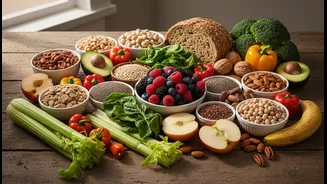
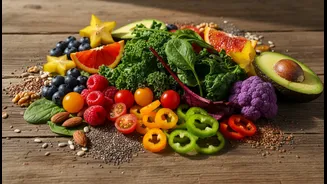
The term “whole foods” refers to foods that are as close to their natural state as possible. They are unprocessed or minimally processed, meaning they haven't been loaded with added salts, sugars, fats, and chemical additives. Think of it this way: a whole food is often an ingredient itself, rather than something that comes with a long list of ingredients. Examples are abundant in a traditional Indian diet and include: fresh fruits and vegetables, legumes like lentils (dal) and chickpeas (chana), whole grains such as brown rice, millets (like ragi), and whole wheat, as well as nuts, seeds, and unprocessed meats and fish. These foods are packed with the nutrients our bodies need, including vitamins, minerals, and crucially, fibre. Fibre helps regulate digestion, keeps you feeling full, and slows the absorption of sugar, preventing energy spikes and crashes.
The Power of Adding, Not Just Subtracting
Research highlights that focusing on adding nutrient-dense foods can be incredibly effective. One University of Michigan study found that making small substitutions—like swapping 10% of daily calories from processed meats for fruits, vegetables, and nuts—could add meaningful minutes of healthy life per day. The beauty of this strategy is its simplicity. You don't need to overhaul your entire diet overnight. Instead, you can make small, powerful additions. Start by adding a side of salad or stir-fried vegetables to your lunch and dinner. Swap a processed afternoon snack for a piece of fruit or a handful of almonds. Consider starting your day with a bowl of oatmeal or a ragi-based dish instead of a refined flour alternative. These additions crowd out less nutritious options naturally and provide your body with antioxidants and anti-inflammatory compounds that reduce the risk of diseases like heart disease and diabetes.
Embracing the 80/20 Guideline
A popular and practical way to apply this philosophy is the 80/20 rule. The idea is simple: aim to eat nutritious, whole foods 80% of the time, and allow yourself to enjoy your favourite treats the other 20% of the time. This isn't a strict mathematical formula but a flexible guideline that prevents feelings of deprivation and makes healthy eating sustainable. For example, if you eat three main meals a day, that's 21 meals a week. Following the 80/20 rule would mean about 17 of those meals are focused on whole foods, leaving room for about four more indulgent meals or snacks. This approach acknowledges that food is also about culture, celebration, and enjoyment. Having a piece of birthday cake or enjoying a festive meal with your family isn't a failure; it’s a part of a balanced and happy life. The goal is consistency with your healthy habits, not unrelenting perfection.