






What a Surprising Study Found
A few years ago, a study published in the journal Appetite made waves by exploring the link between taste preferences and personality. The research, led by Christina Sagioglou and Tobias Greitemeyer, involved two studies with a combined total of nearly
1,000 participants—not 9,000 as some reports later suggested. Participants rated their preference for sweet, sour, salty, and bitter foods and completed questionnaires that assessed personality traits, including the "Dark Triad": Machiavellianism, narcissism, and psychopathy, as well as everyday sadism. The results showed a consistent link: people who reported a greater liking for bitter tastes were more likely to score higher on these malevolent personality traits, with the strongest connection being to psychopathy and everyday sadism.
Association Is Not Causation
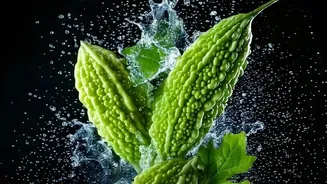
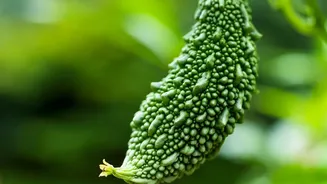
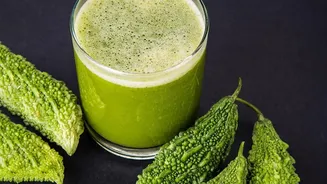
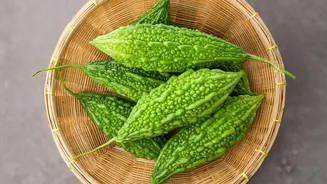
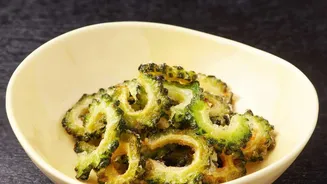
This is where we get to the most important lesson from the study, and from science reporting in general. The researchers found an association (or a correlation), not causation. An association means two things are observed happening together, but it doesn't mean one causes the other. Think of it this way: sales of ice cream and the number of shark attacks both increase in the summer. Does eating ice cream cause shark attacks? Of course not. A third factor—warm weather—causes both. Similarly, just because a preference for bitter foods and certain personality traits appear together doesn't mean your love of bitter gourd is making you a sadist, or vice-versa. It simply means there's a statistical link that's interesting to explore further.
So, Why Does the Link Exist?
Researchers have a few theories. From an evolutionary standpoint, bitterness often signals poison in plants, so an aversion to it is a helpful survival instinct. One theory suggests that people with sadistic or psychopathic traits might get a small thrill from activities that flirt with danger, and eating bitter foods could be a minor version of that. The study's author compared it to enjoying a rollercoaster ride—an activity that induces fear in a controlled way. Other research has pointed to personality traits like sensation-seeking and risk-taking being linked to a preference for bitter beers like IPAs. Furthermore, our perception of bitterness is heavily influenced by our genes. Some people are genetically 'supertasters' who are more sensitive to bitter compounds, which can influence their food choices and learned associations over a lifetime.
Your Coffee Order Is Perfectly Fine
It’s crucial to take these findings with a grain of salt (or perhaps, a dash of sugar). The study relied on self-reported data, which isn't always perfectly accurate. And while the association with general bitter preference was robust, one of the studies noted the link was weaker when it came to specific bitter foods like coffee or radishes. Other studies show that a learned positive reinforcement can actually make us enjoy bitter tastes, which is why many people grow to love coffee. The stimulant effect of caffeine trains the brain to associate the bitter taste with a positive outcome. Ultimately, your personality is a complex mix of genetics, environment, and life experiences. It cannot be accurately diagnosed by whether you take your coffee black or with milk and sugar.