





The Monsoon's Central Role
In India, the economy and the monsoon are deeply intertwined. The southwest monsoon, which delivers about 70% of the country's annual rainfall between June and September, is the lifeblood for a vast portion of its agriculture. Nearly half of India's workforce
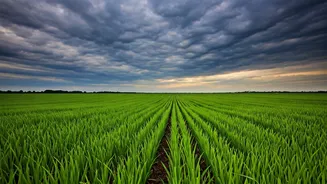
is employed in agriculture, and a significant share of cultivated land is rain-fed, meaning it relies entirely on the monsoon for irrigation. A strong, well-distributed monsoon can lead to bumper harvests, rural prosperity, and stable food prices. Conversely, a weak or erratic monsoon can trigger a cascade of economic challenges, starting in the fields and ending at the consumer's dinner table.
The 2026 Outlook: A Cause for Concern
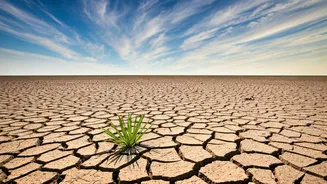
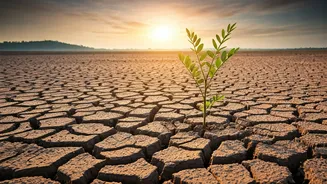
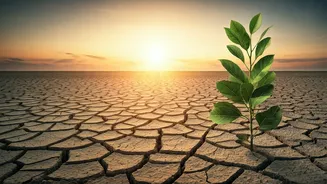
This year, the forecast is creating some anxiety. The India Meteorological Department (IMD) has predicted a "below-normal" southwest monsoon for 2026, estimating rainfall at around 90-92% of the Long Period Average (LPA). This is primarily attributed to the development of El Niño conditions, a climatic pattern that often weakens monsoon winds and reduces rainfall across India. The deficit has been apparent early on. As of late June 2026, the nationwide rainfall deficit stood around 40%, with June being one of the driest in recent memory. This has led to a slow start for the crucial kharif sowing season, with planted area down by nearly 23% compared to the previous year as of June 25. The IMD's forecast for July, a critical month for crop growth, also suggests below-normal rainfall.
From Rainfall to Roti: The Price Chain
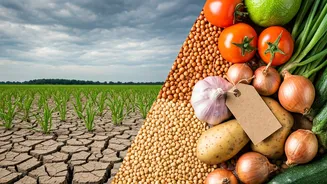
The link between rainfall and food prices is a direct chain of events. Insufficient rain at the start of the season delays sowing, as farmers wait for enough moisture in the soil. This has already been observed this year with significant lags in the sowing of cotton, oilseeds, and pulses. Even if crops are planted, erratic rainfall during the growing season can lead to 'yield compression', reducing the overall output from each hectare. Lower production means tighter supply in the markets. When supply contracts while demand remains steady, prices naturally rise. This is particularly true for monsoon-dependent kharif crops like rice, pulses (like tur and moong), soybeans, and groundnuts, which are essential staples in the Indian diet.
Which Foods Are Most Vulnerable?
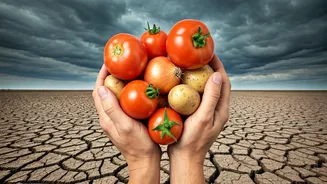
While staples are a concern, vegetables are often the first and most visible casualties of erratic weather. Heavy, unseasonal rains can physically damage standing crops, while insufficient rain can stunt growth. The prices of tomatoes, for example, have already seen significant spikes in 2026 due to a combination of heatwaves and rainfall disruptions. Retail tomato prices jumped 24% year-on-year, with vegetable inflation becoming a key driver of the overall food inflation figures. Onions and potatoes (the 'TOP' vegetables) are similarly sensitive. Beyond the immediate impact, disruptions to transport and supply chains caused by flooded roads or damaged infrastructure during the monsoon can also add to the final cost of produce in urban markets.
More Than Just Rain
While the volume of rain is important, it's not the only factor. The spatial and temporal distribution of rainfall is just as crucial. A national average can mask severe deficits in key agricultural belts. Furthermore, government policies and existing buffer stocks play a significant role in cushioning the impact. India currently holds sufficient buffer stocks of rice, which can help thwart immediate production shocks. However, other factors like rising global crude oil prices can increase transportation costs, adding another layer of inflationary pressure. The Reserve Bank of India has noted that while headline inflation remains under control, the uncertain food price outlook due to the subnormal monsoon forecast is a key variable being watched closely.