




1. The Quick Commerce Revolution
Not long ago, running out of an ingredient mid-recipe meant a quick dash to the neighbourhood kirana store. Today, for a growing number of urban Indians, it means opening an app and having that item delivered in 10 to 30 minutes. This is the world of quick commerce,
and it has moved from a novelty to a dominant force in daily shopping. Platforms like Blinkit, Zepto, and Swiggy Instamart are no longer just for distress purchases; they have become the primary channel for everyday essentials. In 2026, India's quick commerce market is estimated to be worth around ₹1.08 lakh crore, growing more than twice as fast as the overall digital commerce sector. This explosive growth is fuelled by the expansion of 'dark stores'—mini-warehouses dedicated to rapid delivery—which have surged in number to meet rising demand. The appeal is simple: unparalleled convenience for time-poor consumers in bustling cities. These platforms now deliver everything from fresh produce and staples to personal care items and even electronics, fundamentally rewiring the concept of an impulse purchase.
2. The Health and Wellness Imperative
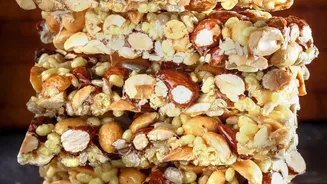
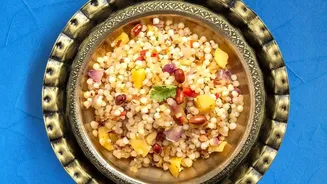
The contents of the Indian shopping basket are becoming healthier and more intentional. There is a clear and growing shift towards products perceived as safer, more natural, and better for long-term wellness. This trend is driven by rising health consciousness, increased disposable incomes, and a greater awareness of the link between diet and lifestyle diseases. As a result, organic food is a standout category, with the market projected to grow significantly. Many consumers now actively seek out clean-label products, meaning they want shorter ingredient lists with names they can recognise, free from artificial additives. This is not just about avoiding chemicals; it is also about embracing nutritional benefits. Foods rich in protein, high in fibre, and beneficial for gut health are gaining prominence. Items like millets are moving beyond traditional kitchens into mainstream products like cookies and breakfast cereals, while Greek yoghurt is replacing sugary alternatives as consumers look for protein-rich snacks. This quest for health is influencing purchasing decisions across the board, from staples to snacks.
3. Convenience Is the New Currency
Alongside the demand for speed and health is an overarching need for convenience. With rapid urbanization, more nuclear families, and dual-income households, time has become a precious commodity. This has propelled the spectacular growth of the ready-to-eat (RTE) and ready-to-cook (RTC) food market in India. Once viewed with skepticism, these products are now a regular choice for consumers who want quick meal solutions without compromising on taste. The market is forecast to expand significantly, with some estimates projecting a compound annual growth rate of over 10% through 2032. The innovation in this space is rapid, moving beyond basic instant noodles to include a vast array of options, from instant breakfast mixes and soups to full-course meals, including meat and plant-based dishes. This trend is not just confined to metro cities; it's seeing fast growth in Tier-2 cities as modern retail expands. Manufacturers are also responding to the health trend by offering preservative-free, organic, and protein-rich RTE options to cater to discerning, time-crunched consumers.