




What Makes The Forest Glow?
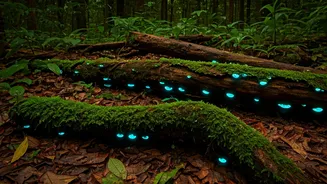
The secret behind this enchanting light show isn't magic, but biology. The glow comes from a specific type of fungus, often species from the genus *Mycena*. This phenomenon, known as bioluminescence, occurs when a chemical reaction inside the fungus releases
energy in the form of light. Scientists believe this 'foxfire' serves a purpose: attracting insects. These insects then help spread the fungal spores to new locations, allowing the fungus to colonise other dead or decaying wood. The fungus thrives on rotting logs, fallen leaves, and damp bark, creating a network of faint green light that seems to spring directly from the forest floor.
The Prime Time: Monsoon Magic
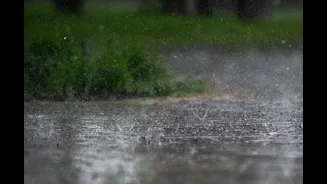
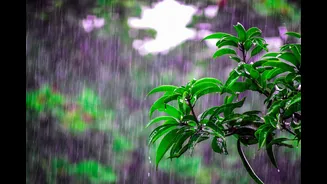
This spectacle is a seasonal gift, exclusively reserved for the monsoon months. The fungi require high humidity and moisture to fruit and glow, making the period from June to October the perfect time to witness this phenomenon. The glow is often at its most brilliant after a few consecutive days of heavy rain, when the forest is drenched and the fungus is at its peak activity. Planning a trip during this window is crucial, as the glow fades and disappears once the dry season sets in and the humidity drops. The damp, earthy smell of the rain-soaked forest combined with the faint, otherworldly light creates an atmosphere that is truly unforgettable.
Where to Witness the Glow
The Western Ghats, a UNESCO World Heritage Site, is the stage for this natural drama. While the glowing fungi can be found in various pockets, some areas are particularly renowned for it. In Maharashtra, the Bhimashankar Wildlife Sanctuary and forests near Tamhini Ghat are popular spots. Goa’s Mhadei Wildlife Sanctuary, especially within the Chorla Ghat region, offers some of the most spectacular displays. Further south, the forests around Agumbe in Karnataka, known for their high rainfall, are another hotspot. These areas, being dense and relatively untouched, provide the perfect dark and damp conditions for the bioluminescent fungi to flourish.
Setting Your Expectations Right
While the experience is magical, it’s important to manage your expectations. The glow is subtle and ethereal, not a blinding light show. Photographs you see online often use long-exposure techniques to capture the light, making it appear much brighter than it is to the naked eye. To truly appreciate it, you need to let your eyes adjust to the darkness. The best viewings happen on moonless nights, far away from any artificial light pollution. The magic lies in the quiet, immersive experience of standing in near-total darkness, watching the forest floor come alive with a faint, ghostly luminescence.
Tips for a Responsible Adventure
To make the most of your trip and ensure the preservation of this fragile ecosystem, a little planning goes a long way. First, always hire a local guide. They know the exact trails where the fungus grows and can navigate the forest safely at night. Wear waterproof boots with a good grip, as the trails will be muddy and slippery. A light rain jacket is also essential. While you should carry a torch for safety, be prepared to switch it off for long periods to experience the glow. Be mindful of leeches, which are common during the monsoon. Most importantly, practice responsible tourism: stick to the trails, do not disturb the glowing wood, and carry all your trash back with you.