

Start With a Kitchen Inventory
Before you even think about your next meal, take a look at what you have. The first step to reducing waste is knowing your inventory. Check your pantry for dals, grains, and spices. Look in your refrigerator for vegetables that are starting to look a little
sad. This simple act of 'shopping your kitchen' first can transform your meal planning. Instead of buying new ingredients for a new recipe, you can build a recipe around what needs to be used up. Make a quick list of perishables like leafy greens, paneer, or leftover sabzi. Prioritising these items in your next few meals is the most effective way to prevent them from ending up in the bin. This isn't about restriction; it's a creative challenge that saves money and resources.
Embrace Root-to-Stem Cooking
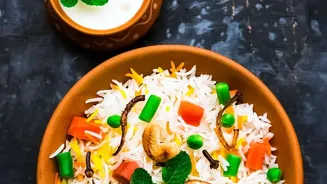
Indian cooking has a long, resourceful tradition of using every part of a vegetable. Long before 'zero-waste' became a trending hashtag, our grandmothers were turning peels and stems into delicious dishes. Don't discard the fibrous stems of cauliflower or broccoli; they can be chopped finely and added to sabzis or stir-fries for extra texture. The same goes for the leaves. Similarly, coriander and mint stems, which are often thrown away, are packed with flavour and can be ground into chutneys or added to stocks. The peels from vegetables like bottle gourd (lauki), potatoes, or carrots can be used to make flavourful vegetable broths. Just collect these scraps in a bag in the freezer, and once it's full, simmer them with some basic spices for a homemade stock that elevates any dal or pulao.
Give Leftovers a Second Life
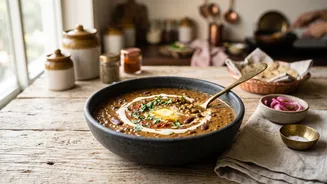
Leftovers in an Indian kitchen are not an end but a beginning. That bowl of dal from last night doesn't just have to be reheated. It can be kneaded with whole wheat flour to make soft, protein-rich parathas. If the dal is thin, it can be transformed into a comforting soup with a simple tadka and perhaps some added vegetables. Leftover rice is incredibly versatile. A simple tempering of mustard seeds, curry leaves, and peanuts can turn it into a delicious 'vagharlo bhaat' or lemon rice for a quick lunch. You can also mash leftover rice with boiled potatoes and spices to form crispy tikkis or cutlets, perfect for an evening snack. Even leftover rotis can be shredded and stir-fried with onions, spices, and a squeeze of lime to create a dish similar to kothu parotta.
The Magic of Masalas and Tadka
Sometimes, all it takes to revive ingredients that are losing their freshness is a little bit of culinary magic. A 'tadka' or tempering is a cornerstone of Indian cooking for a reason. Blooming spices like cumin, mustard seeds, and asafoetida (hing) in hot ghee or oil releases their essential oils and creates an explosion of flavour. This simple technique can instantly liven up a bland leftover sabzi or a simple bowl of dal. A sprinkle of a flavourful spice mix like chaat masala or pav bhaji masala can also completely transform a dish. Don't underestimate the power of your spice box. It's your best tool for turning wilting vegetables or plain leftovers into a meal that feels intentional and delicious, not like an afterthought.
Store Smarter, Waste Less
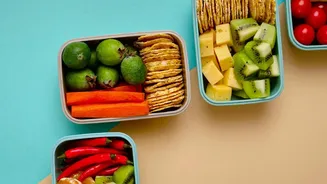
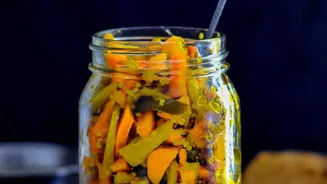
How you store your ingredients plays a huge role in how long they last. To keep leafy greens like spinach and coriander fresh for longer, wash and dry them thoroughly before storing them in a container lined with a paper towel. Onions and potatoes should be kept in a cool, dark, and ventilated place, but stored separately, as onions release gases that can cause potatoes to sprout faster. Traditional methods like pickling and sun-drying are also making a comeback in modern kitchens. You can pickle excess carrots, radishes, or chillies in a simple brine of vinegar, salt, and spices. Sun-drying tomatoes or herbs on a sunny windowsill is another easy way to preserve them for later use, tapping into age-old wisdom to fight modern food waste.