

A Staple Ingredient with Many Faces
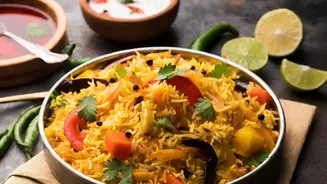
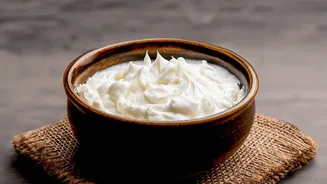
From bustling city apartments to quiet village homes, a bowl of plain curd is a near-constant presence in India. While often served as a cooling accompaniment to spicy biryanis or hot parathas, its true magic lies in its role as a core cooking component.
Known as 'dahi' and typically made at home, this fermented milk product is prized for its versatility. It can be a souring agent, a thickener, a tenderizer, or the star of the dish itself, proving that its utility extends far beyond the dinner table's edge. This culinary workhorse is woven into the fabric of daily meals, from breakfast lassis to elaborate festive spreads.
The Science of a Succulent Marinade
One of curd's most celebrated roles is as a marinade base, especially for meats and paneer. The secret lies in its gentle acidity. The lactic acid in curd works to denature and break down proteins in meat, making it incredibly tender and moist. Unlike harsher acidic marinades like vinegar or citrus juice, which can 'cook' the meat's surface and make it tough if left too long, curd works more slowly and gently. This process allows dishes like Chicken Tikka and Tandoori Chicken to achieve their signature melt-in-the-mouth texture. The curd also acts as a vehicle for spices, helping them to penetrate deep into the meat for a more profound flavour.
Creating Creamy, Tang-Rich Gravies
Curd is the foundation for countless gravies, lending a creamy consistency and a characteristic tangy flavour that balances the heat of Indian spices. However, cooking with curd can be tricky, as it has a tendency to split or curdle when exposed to high heat. To avoid this, chefs and home cooks use several techniques. It's best to use full-fat curd, as the higher fat content provides stability. Before adding it to a hot pan, whisk the curd until it is completely smooth. You can also stabilize it by mixing in a teaspoon of gram flour (besan) or cornstarch. The most crucial step is tempering: lower the heat and slowly add a few spoonfuls of the hot curry base into the curd, stirring constantly. Once warmed, this mixture can be stirred back into the main pot, ensuring a silky, unbroken sauce every time.
The Soul of Kadhi
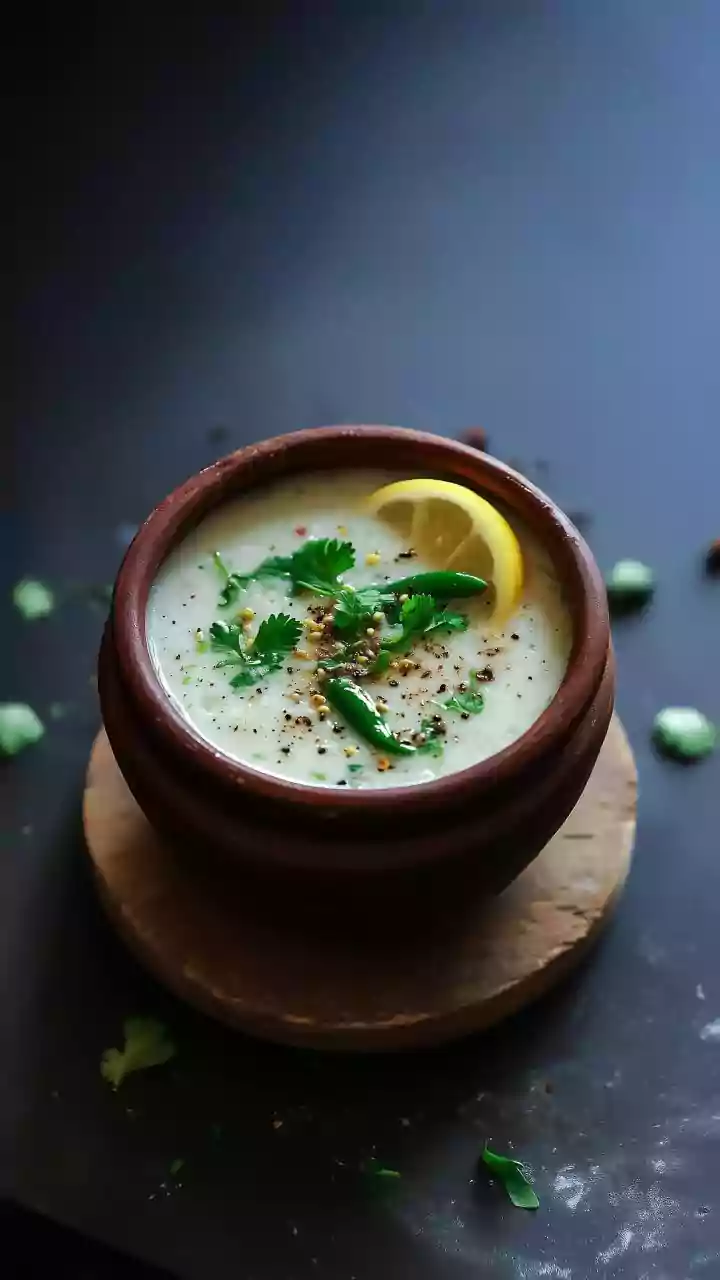
No discussion of curd in cooking is complete without mentioning kadhi. This beloved dish, popular across North and West India, is a testament to the power of curd. In its most classic form, kadhi is a slow-cooked slurry of sour curd and gram flour (besan), simmered with spices like turmeric until it thickens into a beautiful, tangy soup. The besan acts as a stabilizer, preventing the curd from splitting while adding to the dish's body and flavour. Variations abound, from the sweet and thin Gujarati kadhi to the spicy Punjabi version filled with fried onion fritters (pakoras). Served with steaming rice, kadhi is the ultimate comfort food for many.
A Cooling Counterpoint
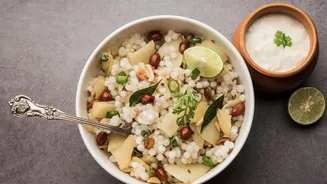
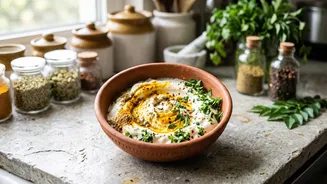
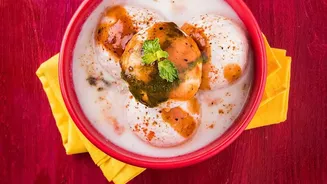
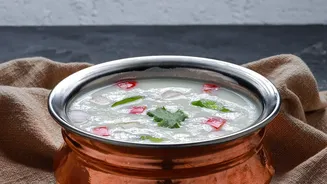
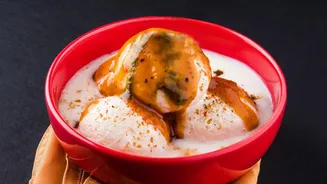
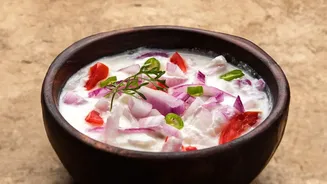
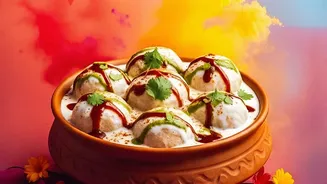
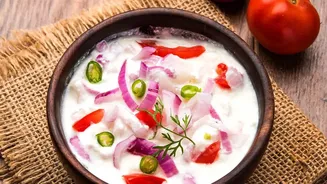
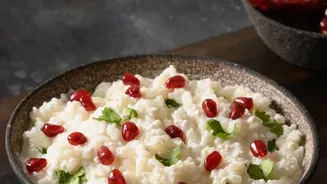
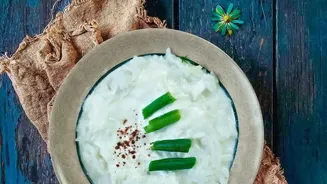
Beyond cooked dishes, curd shines in its raw or lightly prepared forms, where its cooling properties are paramount. Raita, a seasoned curd preparation mixed with vegetables like cucumber and tomato, is a classic example. It serves to cool the palate and balance the fire of spicy main courses. Similarly, Dahi Vada, where lentil dumplings are soaked in sweetened, spiced curd, offers a refreshing and satisfying snack. In South India, Thayir Sadam (curd rice) is a staple, cherished for its simplicity and comforting nature, often tempered with mustard seeds and curry leaves. These dishes highlight curd's ability to soothe and refresh, making it an indispensable part of a complete Indian meal.