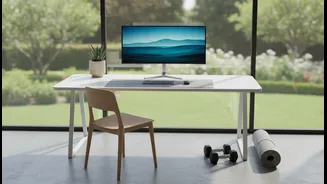









The Hidden Dangers of Your Desk Job
Sitting for prolonged periods might seem harmless, but it's a significant occupational hazard. A sedentary lifestyle, common in office jobs, is linked to a host of health issues, including neck and back pain, muscle strain, and even an increased risk
of chronic conditions like diabetes and heart disease. When you sit for hours, blood circulation slows, especially to your legs, which can cause fatigue and swelling. Your posture often suffers as you slouch or crane your neck, leading to musculoskeletal imbalances and persistent pain. Research shows that this constant sitting can even lead to premature degeneration of spinal discs. This isn't just about minor aches; it's about long-term health being quietly compromised, day after day.
The Power of Thirty Minutes
Why is a thirty-minute break so effective? It strikes the perfect balance. It’s long enough to truly disconnect and recharge but short enough to not disrupt your workflow entirely. Research consistently shows that taking regular breaks is crucial for maintaining performance and preventing burnout. Shorter, more frequent breaks, sometimes called micro-breaks, have been proven to reduce fatigue and boost vigour. A half-hour break allows you to go beyond a simple stretch. It provides a meaningful window to move your body, rest your eyes, and clear your mind, which helps combat decision fatigue and restore focus. This regular, intentional pause is the foundation of habit formation. By scheduling it, you create a consistent cue (time for a break), routine (the break itself), and reward (feeling refreshed and less stressed), which is the classic loop for building a sustainable habit.
How to Spend Your Wellness Break
Making the most of your thirty minutes is key. The goal is to do something different from your work task to allow the working parts of your brain to rest. Physical movement is paramount. Get up and walk around the office, climb a few flights of stairs, or step outside for fresh air. Simple desk stretches for your neck, shoulders, and wrists can alleviate muscle tension. You could also incorporate mindfulness practices like a few minutes of deep breathing or meditation to reduce stress. A break is also a great opportunity for social connection. Instead of eating at your desk, have a chat with a colleague over a cup of tea. This not only rests your mind but also helps build positive workplace relationships.
Making the Break Habit Stick
The biggest challenge is consistency. To turn your break into an unbreakable habit, treat it like any other important appointment. Schedule it directly into your calendar and set a reminder. At first, it might feel indulgent, especially on busy days, but it’s essential to give yourself permission. One effective strategy is habit stacking: connect your break to an existing routine, like right after you finish a specific daily report. Finding a “break buddy” can also help with accountability; you can go for a walk or stretch together. If a full thirty minutes seems daunting, start with fifteen and build from there. The key is to protect this time fiercely. It's not a luxury; it's a vital part of a productive and healthy workday.
Overcoming Workplace Hurdles
In a demanding work culture, taking breaks can feel impossible or even frowned upon. You might worry about falling behind or what your manager might think. To counter this, reframe the break as a productivity tool, not a moment of laziness. Well-rested employees are more focused, creative, and efficient. If you're a supervisor, lead by example and take your own breaks. Encourage your team to do the same by talking about the benefits. If your schedule is packed with meetings, try shortening them by five or ten minutes to create natural pauses in the day. When you communicate that you're taking a short break to recharge, you help normalize this healthy behaviour for everyone in the workplace. Ultimately, investing in these short pauses pays off in better quality work and improved overall well-being.