



Konkan: The Soul of the West Coast
Stretching along India's western shoreline, the Konkan region offers a cuisine that is a direct reflection of its geography: coastal, lush, and abundant. [33] Predominantly found across Maharashtra, Goa, and parts of Karnataka, Konkani food is defined
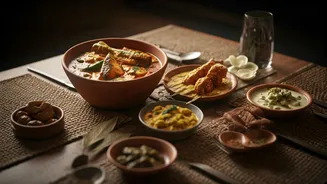
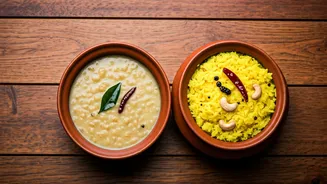
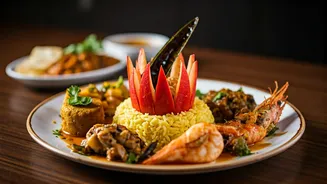
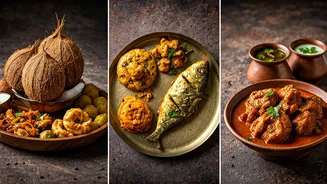
by its generous use of fresh coconut, tangy kokum, and, of course, a magnificent variety of seafood. [21, 33] The foundation of many dishes is a 'vatan,' a flavour base paste made from browned onions and coconut, which gives gravies their characteristic richness. [6] A quintessential Konkani meal is incomplete without Sol Kadhi, a soothing pink-hued digestive drink made from coconut milk and kokum. [6] Fiery seafood preparations, like Bombil (Bombay Duck) Fry or a spicy fish curry using a signature Malvani masala, showcase the region's love for bold flavours. [28] Yet, the cuisine finds balance. The heat from red chillies, often introduced by Portuguese traders centuries ago, is tempered by the sweetness of jaggery or the creaminess of coconut. [6, 33] From spongy, steamed Sannas to the hearty Kombdi Vade (chicken curry with fluffy bread), Konkani food is a masterclass in balancing spicy, sour, and subtly sweet notes. [21, 28]
Kolkata: A Symphony of Sweet and Savoury
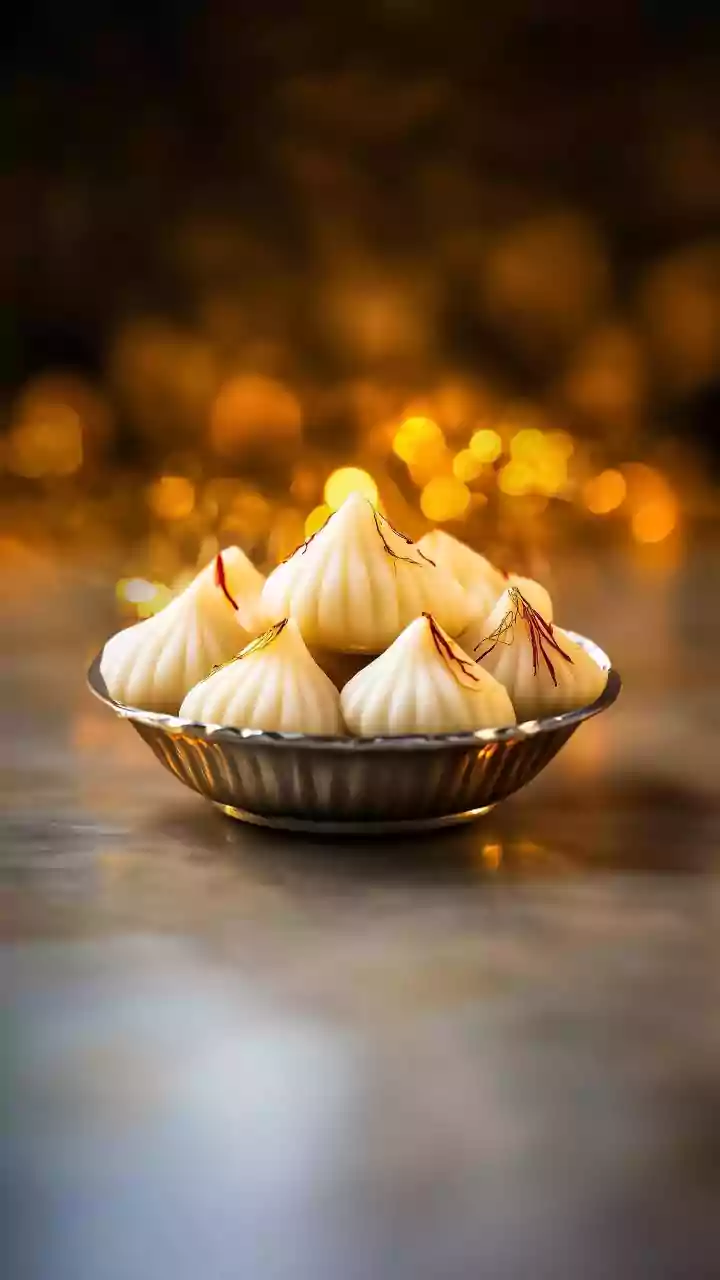
Journey east to the cultural heart of Bengal, and you'll find a cuisine that is as poetic and multifaceted as Kolkata itself. Bengali food is renowned for its complex, layered flavours, where the pungent magic of mustard oil and the unique five-spice blend known as 'panch phoron' reign supreme. [7] The region's vast network of rivers provides an abundance of freshwater fish, with Macher Jhol (a light fish stew) being a staple in most households. [14, 23] But the cuisine is far from monolithic. It carries the imprints of Mughal invaders in its rich biryanis and kormas, and a notable British influence in its tea-time snacks. [23] Vegetarian dishes like Shukto (a mixed vegetable medley with a hint of bitterness) and Aloo Posto (potatoes in a poppy seed paste) are beloved for their subtlety and ingenuity. [14] And then there are the sweets. Bengalis are famous for their sweet tooth, and the city is dotted with shops selling iconic desserts like Roshogolla and Sandesh, both made from cottage cheese, and the decadent Mishti Doi (sweet yogurt). [7, 18]
Kashmir: A Rich Feast from Paradise
Nestled in the Himalayas, Kashmiri cuisine is a world away in terms of flavour profile, shaped by a cold climate and strong historical influences from Persia and Central Asia. [27, 32] The crown jewel of this culinary tradition is the Wazwan, an elaborate multi-course banquet that is a true point of pride in Kashmiri culture. [4, 15] This feast, traditionally prepared by master chefs called 'wazas', can feature up to 36 dishes, with a heavy emphasis on mutton. [15] The flavours are rich, aromatic, and deeply warming. Spices like saffron, fennel, cardamom, and dried ginger are used extensively, but the defining characteristic is the vibrant red hue of many dishes, derived from local Kashmiri chillies. [9] Signature dishes include Rogan Josh, a tender lamb curry with a rich, aromatic gravy, and Gushtaba, succulent meatballs simmered in a creamy yogurt sauce, which traditionally marks the end of the feast. [9, 25] Even the daily staples are unique, from the warming green tea called Kahwa, infused with spices and almonds, to the variety of local breads. [10]
A Unifying Thread of Flavour
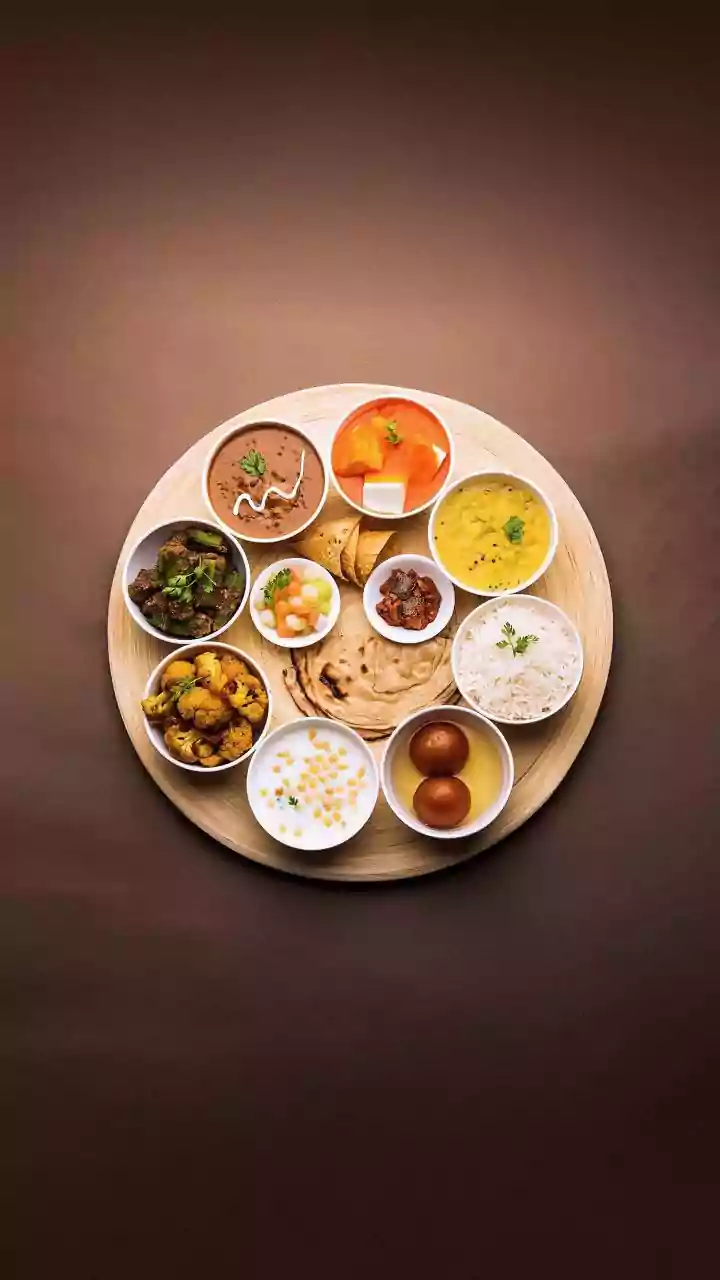
Though born from different landscapes and histories, these three cuisines share a common philosophy. Each is a celebration of local produce, a testament to the art of spice blending, and a reflection of the communities that created them. Whether it's the reliance on coconut and rice on the coast, the use of freshwater fish in the delta, or the slow-cooked meat dishes of the mountains, each cuisine is a story of place. [5, 22] They show how Indian food has absorbed influences—from Arab traders and Portuguese colonisers in the Konkan to Mughal emperors in Kolkata and Kashmir—and transformed them into something entirely new and local. [6, 23, 30] The sour tang of kokum, the pungency of mustard, and the fragrance of saffron are not just flavours; they are markers of identity.