




The Race Against Time: Booking Windows
The first rule of Tatkal is timing. Bookings open one day in advance of the train's departure from its originating station. The window is strictly divided by class: bookings for all AC classes (AC 1 Tier, AC 2 Tier, AC 3 Tier, and AC Chair Car) open at 10:00
AM. For non-AC classes, including the high-demand Sleeper class, the window opens an hour later at 11:00 AM. This rule is the same whether you are booking online via the IRCTC website or app, or standing at a physical reservation counter. Missing these windows by even a few seconds can mean the difference between a confirmed berth and a long waitlist, as seats on popular routes are often gone in under a minute.
Online Booking: The Digital Dash
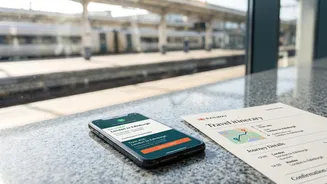
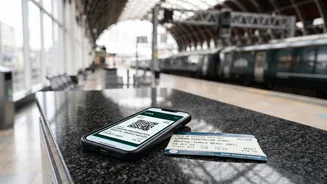
The IRCTC website and its authorized apps are the go-to for most travellers due to sheer convenience. You can book from anywhere with an internet connection. To succeed online, preparation is paramount. Experts advise using the 'Master List' feature on your IRCTC profile to save passenger details like name, age, and ID proof number beforehand. This saves crucial seconds during the booking rush. A fast, stable internet connection is non-negotiable, with a wired connection being preferable to Wi-Fi. For payments, UPI and e-wallets like the IRCTC wallet are generally the fastest options, as entering card details and waiting for an OTP can be too slow. However, the online system is notorious for crashing under heavy traffic, leading to slow page loads, session timeouts, and failed payments where money is debited without a ticket being issued.
Counter Booking: The Physical Queue
For those less tech-savvy or wary of online payment failures, booking at a Passenger Reservation System (PRS) counter is the traditional alternative. The biggest downside is the physical effort and time required. In the past, this meant queueing for hours before the window opened. However, to manage crowds, Indian Railways has been rolling out a token system at many counters. Under this system, passengers collect a numbered token during a specific window (e.g., 8:30 AM to 9:00 AM for AC class) and can return when their number is called after the booking window opens. This makes the process more organized but does not eliminate the uncertainty. Each counter issues a limited number of tokens, so you still need to be early. You must also carry a valid government-issued photo ID for the main passenger.
Key Differences: Speed vs. Reliability
The core of the comparison is a trade-off. Online booking is theoretically faster; if you have pre-filled details and a one-click payment setup, you can complete a transaction in seconds. However, its reliability is its weakness. The system is prone to overload, CAPTCHA errors, and payment gateway failures, which can nullify your speed advantage. Counter booking is slower by nature but can feel more straightforward. Once you have a token and your turn comes, the transaction is handled by a railway employee, removing the risk of a website crash or a failed online payment. However, you are limited by the number of tokens and the speed of the person at the counter. A survey has shown that a significant number of travellers, frustrated with online failures, have turned to agents or offline methods.
Cancellation and Refunds
The rules for cancellation are strict and generally the same for both methods. No refund is granted for the cancellation of a confirmed Tatkal ticket. However, if your Tatkal ticket remains on the waitlist after the chart is prepared, it is automatically cancelled, and a refund is processed with a small clerkage fee deducted. You are also entitled to a full refund if the train is delayed by more than three hours at your journey's originating point or if the train is cancelled by the railways. For failed online transactions where money was debited, IRCTC states the refund is automatically processed within 5-7 working days.
Which Method Is Better for You?
Choosing between online and counter booking depends on your circumstances. If you are comfortable with technology, have a very fast internet connection, and can prepare by saving passenger and payment details in advance, the online method offers the highest potential for success due to its speed. If you live near a railway station with a well-managed token system, prefer face-to-face transactions, or have had repeated bad experiences with the IRCTC website crashing, the counter may be a less stressful, albeit more time-consuming, option. For group bookings (up to four passengers per Tatkal PNR), being prepared with all details is vital for either method.