








The Myth's Outdated Origin
The idea that you shouldn't combine niacinamide and vitamin C stems from outdated research from the 1960s. These early studies suggested that when mixed under very specific lab conditions, like high heat, the two ingredients could react to form nicotinic
acid, a compound that can cause temporary skin redness and irritation. However, these experiments used non-stabilized forms of the ingredients and conditions that simply don't apply to how modern skincare products are formulated or used in your bathroom at room temperature. The myth persists, but skincare science has advanced significantly since then.
Why Modern Formulas Changed the Game
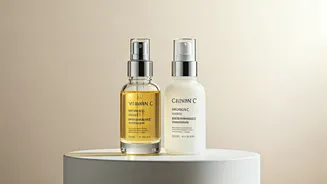
Today's skincare products are far more sophisticated. Cosmetic chemists have developed stabilized forms of both vitamin C and niacinamide that are designed to coexist peacefully and effectively. Modern formulations are pH-balanced to ensure both ingredients remain stable and potent, both in the bottle and on your skin. The conversion to irritating nicotinic acid is negligible in these advanced formulas, meaning the risk of a negative reaction from layering them is extremely low. In fact, many brands now offer products that intentionally combine both ingredients to deliver synergistic benefits.
The Power Couple: Better Together
Not only can you use niacinamide and vitamin C together, but their combined effects can be even more beneficial for your skin. Think of them as a dynamic duo. Vitamin C, a potent antioxidant, is celebrated for its ability to brighten the complexion, protect against environmental damage, and boost collagen production for firmer skin. Niacinamide, a form of vitamin B3, is a versatile multitasker that strengthens the skin barrier, regulates oil production, minimises the appearance of pores, and calms redness. When used together, they tackle a wider range of concerns—from dullness and dark spots to fine lines and texture—more effectively than they would alone.
How to Layer Niacinamide and Vitamin C
Incorporating both ingredients into your routine is simple. The general rule of thumb for layering skincare is to apply products from the thinnest to thickest consistency. Many experts recommend applying your vitamin C serum first, after cleansing in the morning. Because it's a powerful antioxidant, vitamin C is most beneficial during the day to help protect your skin from environmental stressors like UV rays and pollution. After letting the vitamin C absorb for a minute or two, you can then apply your niacinamide product, followed by your moisturiser and, most importantly, sunscreen. Alternatively, you can use vitamin C in the morning and niacinamide at night.
Listen to Your Skin
While this combination is safe and effective for most people, everyone's skin is unique. If you have particularly sensitive skin, it's always wise to introduce new active ingredients gradually. You could start by using vitamin C in the morning and niacinamide at night to see how your skin tolerates them individually. Another option is to begin by using them on alternate days before moving to daily use. Performing a patch test before applying a new product all over your face is also a smart step to avoid potential irritation. Ultimately, paying attention to your skin's response is the key to building a successful and effective skincare routine.