


The Visual Inspection: Trust Your Eyes First
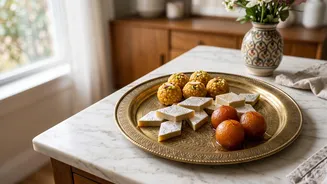
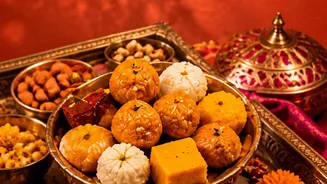
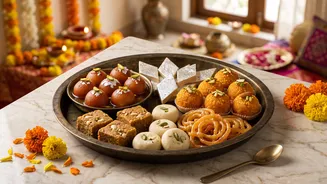
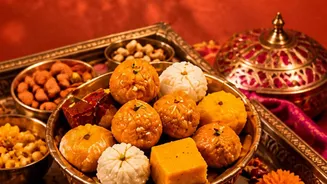
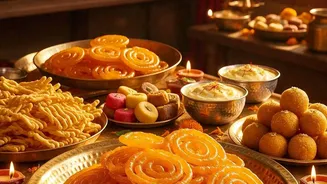
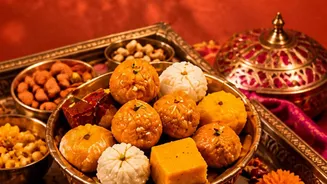
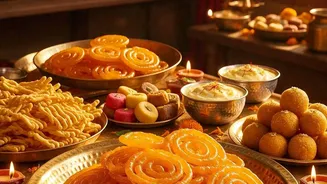
Before you even ask for a sample, take a moment to look closely at the sweets on display. Fresh mithai has a vibrant, natural appearance. Be cautious of sweets that are overly bright or unnaturally colourful, as they may contain non-permitted food colouring.
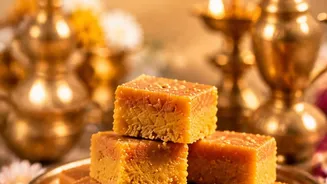
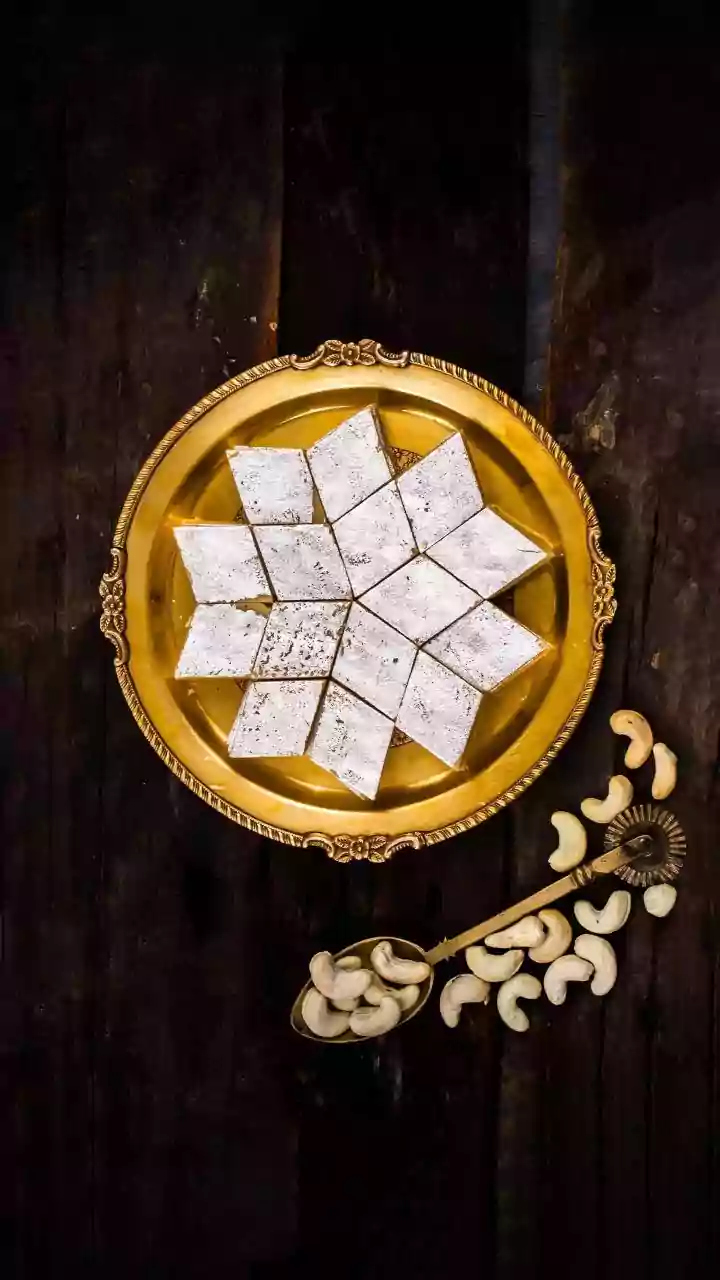
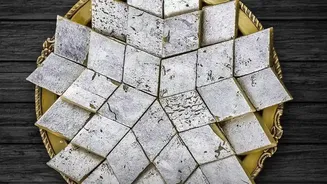
Look for a uniform colour and texture. For instance, a fresh peda or barfi should have a consistent, slightly moist look. Any discolouration, dark spots, or fuzzy white or greenish patches are clear signs of mould and spoilage. Also, pay attention to the silver leaf (vark) used for decoration. Authentic silver leaf is extremely delicate and should almost dissolve when touched. If you rub it and it forms a small, solid ball, it is likely aluminium foil, which is unsafe for consumption.
The Texture Test: How Sweets Should Feel
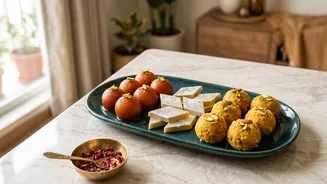
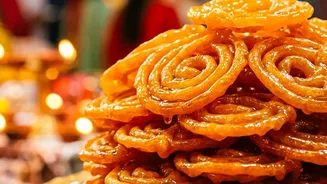
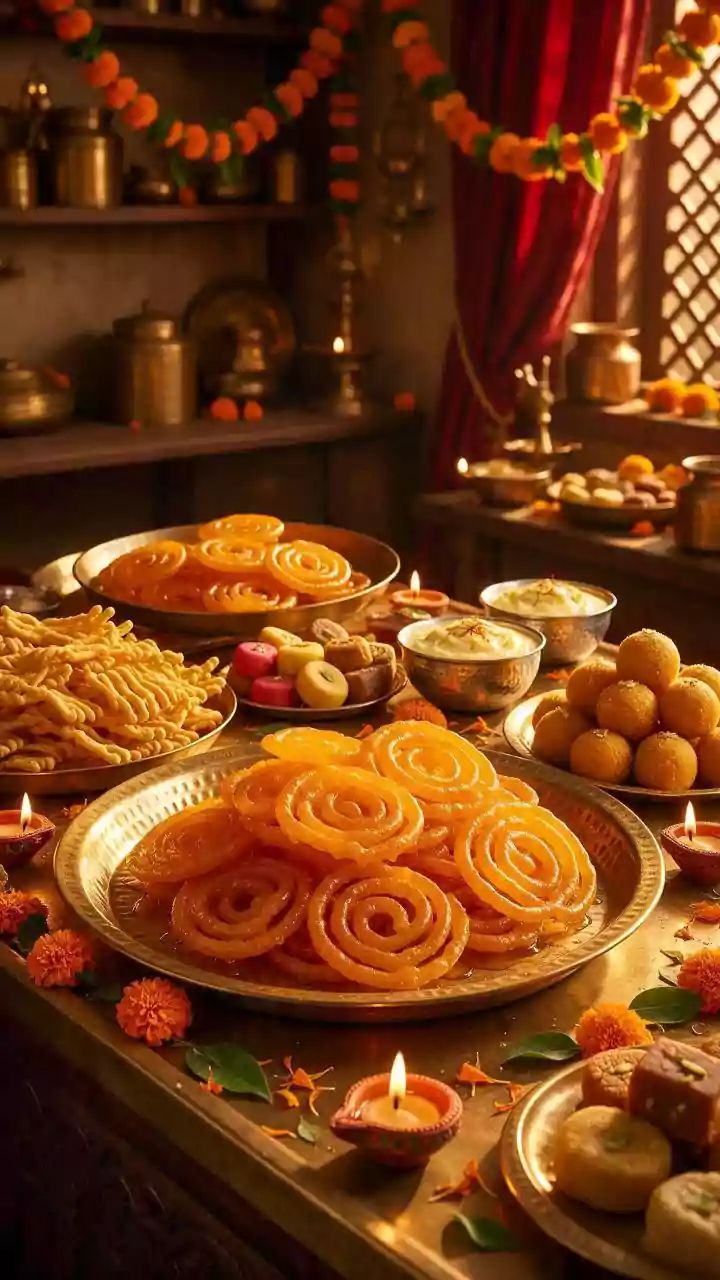
Texture is a critical indicator of freshness in Indian sweets. Different types of mithai have distinct textures, and any deviation can signal a problem. For khoya-based sweets like barfi and kalakand, the texture should be soft and slightly grainy. If it feels dry, hard, or overly crumbly, it is likely stale. Ladoos, especially those made from besan, should be moist and hold their shape but break apart easily without being hard or dense. For syrup-based sweets like gulab jamun or rasgulla, the key is a soft, spongy consistency. They should be juicy but not saturated or falling apart. If they feel rubbery or excessively hard, they may be old or improperly prepared. A quick test for sweets made with pure ghee is to rub a small piece on your palm; it should begin to melt from your body heat, a sign of its purity.
The Smell Signal: Your Nose Knows
Your sense of smell is one of the most powerful tools for detecting spoilage. Fresh mithai should have a pleasant, rich aroma characteristic of its main ingredients, such as roasted gram flour, cardamom, saffron, or pure ghee. If you detect any sour, stale, or musty odours, it's a definite red flag. Ghee-based sweets, when they go bad, can develop a rancid smell due to the oxidation of fat. Milk-based sweets, which have a shorter shelf life, will emit a distinctly sour smell as they spoil. Don't hesitate to give the box a gentle sniff before you buy. A reputable vendor selling fresh products will have nothing to hide, and the aroma should be inviting and delicious, not off-putting.
A Closer Look at Popular Sweets
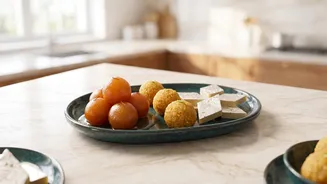
Applying these principles to specific sweets can make your choices easier. For Kaju Katli, look for a smooth, pliable texture that isn't dry or brittle. Its colour should be a natural off-white, not a stark, bleached white. When checking Boondi Ladoo, the individual boondi pearls should be distinct but bound together, and the ladoo should have a moist, ghee-rich aroma. For milk-based sweets like Kalakand or Milk Cake, a fresh batch will be moist and have a rich, milky flavour. Avoid any that appear dried out around the edges or have a sour taste. These sweets are best consumed the same day they are made.
Smart Buying Habits for a Sweeter Celebration
Beyond sensory checks, a few smart habits can ensure you bring home only the best. Always buy from trusted, reputable sweet shops known for their quality and high turnover, as this means their products are likely made fresh daily. Pay attention to the 'best before' date, which is now mandatory for trays of loose sweets as per FSSAI guidelines. If you are purchasing a pre-packaged box, check for the manufacturing date, ingredient list, and FSSAI license number. Be wary of unusually low prices or 'buy one, get one free' offers during peak season, as this can sometimes be a way to clear old stock. When in doubt, ask for a small sample to taste before buying a large quantity. A fresh sweet will always taste as good as it looks and smells.