



The Allure of the After-Hours
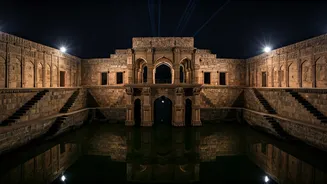
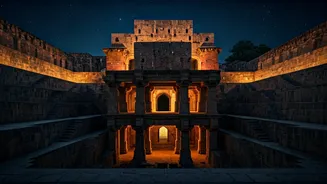
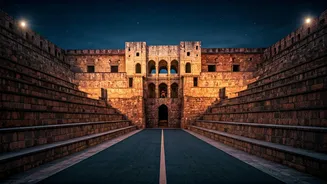
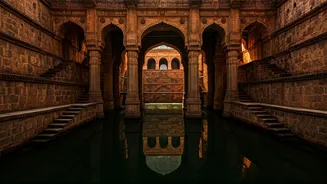
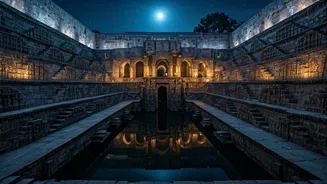
The phrase “midnight photo crawl” conjures images of clandestine adventures under the moonlight. While gaining access to historical monuments in the dead of night is often more fantasy than reality due to security and visiting hours, the spirit of the trend
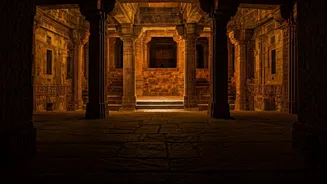
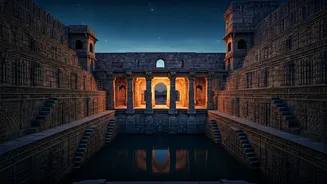
is very real. It’s about capturing these architectural wonders in their most dramatic light—at the golden hour of sunrise, the moody twilight of dusk, or illuminated by the soft glow of nearby city lights. This desire for the perfect, uncrowded shot has pushed photography enthusiasts and Instagrammers to seek out these spaces during off-peak, atmospheric times. It's less about breaking rules and more about breaking away from the mundane, transforming a weekend outing into a creative quest.
From Water Source to Viral Backdrop
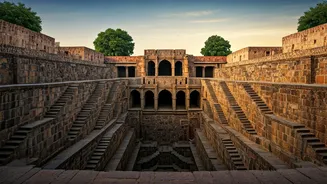
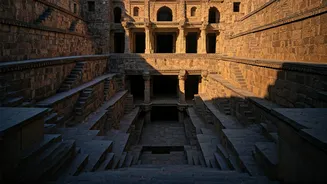
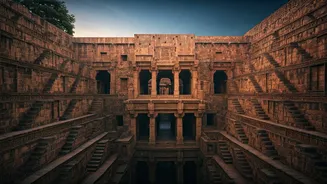
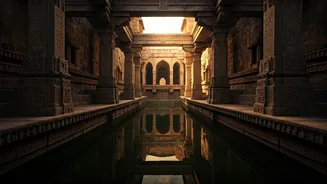
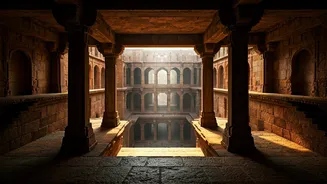
For centuries, stepwells—or ‘baolis’ and ‘vavs’—were the lifeblood of communities across arid regions of India. These magnificent, multi-storied structures were brilliant feats of hydro-engineering, designed to provide reliable access to groundwater year-round. More than just wells, they were cool subterranean retreats from the scorching sun and served as vibrant community hubs. The intricate geometric patterns of their steps, the play of light and shadow, and the sheer scale of their construction were designed to be both functional and beautiful. Today, as their original purpose has faded, their aesthetic and historical value is being rediscovered by a new generation, not as water sources, but as sources of inspiration.
The Instagram Effect
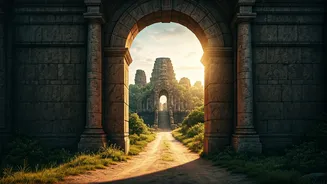
It’s impossible to discuss the renewed fame of stepwells without mentioning social media. The symmetrical staircases, repeating patterns, and dramatic depth of these structures are tailor-made for a compelling photograph. Platforms like Instagram have turned places like Agrasen ki Baoli in Delhi and Chand Baori in Rajasthan from historical footnotes into must-visit destinations. A single viral photo can inspire thousands to follow. The hashtag #stepwell is filled with a stunning gallery of images: people posed thoughtfully on the steps, silhouettes framed by ancient archways, and drone shots that reveal the mind-bending geometry from above. This digital word-of-mouth has done more for the popularisation of these sites than many traditional tourism campaigns could ever hope for.
Beyond the Hashtag: A Deeper Connection
But is it just about getting the perfect shot? For many, the experience runs deeper. In a rapidly modernising India, these photo crawls represent a unique way for young people to connect with their heritage. Visiting a baoli isn't like visiting a museum where exhibits are kept behind glass. Here, you can physically walk the same steps that people did hundreds of years ago. It’s an immersive, tangible connection to history. For many, the process of seeking out these locations, understanding their history, and capturing their beauty is a form of modern-day exploration. It’s a quiet rebellion against the fast-paced, screen-dominated world, even if the final result ends up on a screen.
A Guide for the Conscientious Explorer
Inspired to plan your own visit? Fantastic. But being a part of this trend also comes with responsibility. Firstly, check the rules. Most popular stepwells are protected monuments with specific opening and closing times—respect them. Secondly, be safe. The steps can be steep, uneven, and slippery, especially in low light. Never compromise your safety for a photograph. Finally, and most importantly, be respectful. These are heritage sites, not just photo studios. Avoid littering, creating excessive noise, or engaging in behaviour that could damage the structure. The goal is to leave these places as beautiful as you found them, ensuring that future generations can also come to admire them. Popular spots to consider include Panna Meena ka Kund near Jaipur, the majestic Rani ki Vav in Gujarat (a UNESCO World Heritage Site), and the easily accessible Agrasen ki Baoli in the heart of Delhi.