




The Awkwardness of Ordering for One
For decades, the typical restaurant menu was built for pairs or groups. It featured a rigid structure: a starter, a large main course, and dessert. This format often left the solo diner in a bind. Ordering a single main course could feel limiting, offering
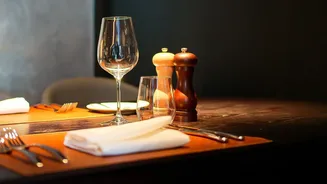
just one flavour profile from a menu of possibilities. Attempting to sample more by ordering multiple appetisers often resulted in awkward portion sizes, excessive food waste, and a surprisingly high bill. Beyond the food itself, there was a lingering social stigma; the feeling of being conspicuous at a table set for more. This traditional structure made dining alone less of a treat and more of a logistical challenge, discouraging many from enjoying a meal out on their own terms.
Enter the Small Plate Revolution
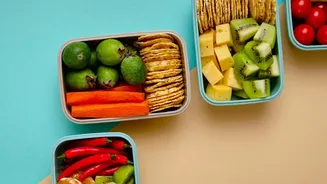
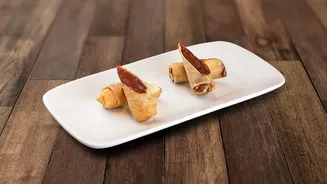
Across India and the world, restaurants are embracing a more flexible, dynamic approach to dining: small plates. This concept, inspired by Spanish tapas, Middle Eastern mezze, and Asian dim sum, does away with the traditional three-course meal. Instead, menus feature a variety of smaller, starter-sized dishes meant to be mixed, matched, and explored. This shift isn't just a fleeting fad; it reflects a significant change in what diners want. People are more adventurous and eager to try new flavour combinations. In India, chefs report a demand increase of around 25-30% for small plates, seeing it as a way to showcase creativity, build seasonal menus, and offer a more interactive, playful dining experience. This revolution turns the meal from a structured event into a fluid, exploratory journey.
A Perfect Match for the Solo Diner
For those eating alone, the small plate trend is a game-changer. Suddenly, the entire menu is accessible. A solo diner can curate their own tasting menu, ordering two, three, or even four different dishes without feeling overwhelmed or wasteful. It allows for a culinary adventure in a single sitting, sampling a spectrum of flavours and textures from crispy to creamy, savoury to spicy. This approach aligns perfectly with the psychology of solo dining, which is often an act of self-determination. Without the need to compromise on cuisine or price, the diner can fully focus on their own preferences and enjoy the food without distraction. This mindful approach can even enhance the taste of the meal itself. The freedom to try a little of everything transforms solo dining from a limitation into an opportunity for indulgence and discovery.
Why Restaurants Are on Board
Restaurateurs have strong incentives to embrace this model. Small plates often carry lower food costs and higher profit margins. They provide a platform for chefs to experiment with bold flavours and seasonal ingredients, keeping menus fresh and exciting. This format also caters to changing social habits. With the rise of single-person households and fragmented work schedules, more people are dining alone. Younger generations, in particular, are driving this trend, with nearly half of Millennials and Gen Z dining solo at least weekly. Restaurants with counter seating, communal tables, and small plate options make these diners feel welcome and catered to. Furthermore, offering smaller bites encourages guests to linger over drinks, boosting check averages during traditionally slower hours. It’s a flexible model that benefits both the kitchen and the bottom line.
A Reflection of Modern Urban Life
The move towards smaller plates and solo dining isn't just about food; it's a mirror of our evolving lifestyles. The number of single-person households is one of the fastest-growing living arrangements in many cities. Modern work life, with its hybrid schedules and longer commutes, has fragmented traditional mealtimes. In this context, dining has become a more personal and practical act. At the same time, cultural attitudes have shifted. Eating alone is increasingly seen not as a sign of loneliness, but as an act of confidence and independence. The small plates trend perfectly complements this new reality, offering variety, control, and a sense of sophisticated experience for the individual. It acknowledges that a table for one is not empty, but complete.