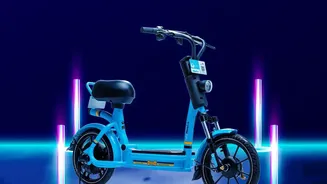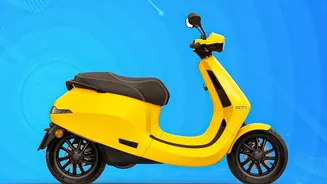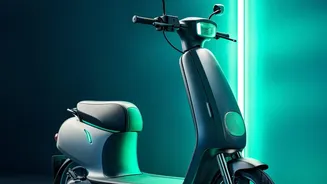

The Reigning Champion: Lithium-Ion
For the last two decades, lithium-ion (Li-ion) batteries have been the undisputed powerhouse behind the portable electronics and electric vehicle boom. They are prized for their high energy density, which means they can store a lot of energy in a relatively
small and lightweight package. This characteristic is crucial for vehicles like electric scooters, where space and weight are at a premium. In India, the entire EV ecosystem has been built around Li-ion technology, from manufacturing to charging infrastructure. However, this dominance comes with significant drawbacks. Lithium and cobalt, key materials for these batteries, are sourced from a limited number of countries, creating supply chain vulnerabilities and price volatility. The battery pack itself can account for 40-50% of an electric scooter's total cost, making it the single biggest factor in their high sticker price.
The Challenger: Sodium-Ion Arrives
Enter the sodium-ion (Na-ion) battery, a technology that has been researched for decades but is only now becoming commercially viable. As the name suggests, it uses sodium ions instead of lithium ions to store and release energy. The fundamental advantage is material cost and availability. Sodium is one of the most abundant elements on Earth, found globally in rock salt and seawater. This drastically reduces material costs and reliance on concentrated, foreign supply chains. Several Indian companies, including Reliance-owned Faradion and startups like Indi Energy, are now pushing to establish a local manufacturing ecosystem for sodium-ion batteries, aligning with the "Make in India" initiative.
The Cost Equation: A Game of Materials
The primary appeal of sodium-ion batteries is the potential for significant cost reduction. With abundant and cheap raw materials, Na-ion batteries could be 20-40% cheaper to produce at scale than their Li-ion counterparts. However, as of 2026, large-scale production is still ramping up, which means Na-ion batteries are currently priced on par with lithium-ion. Industry experts from major manufacturers like CATL project that cost parity will be achieved by late 2026, with prices expected to drop significantly thereafter as production scales into the gigawatt-hour range. This development could be the key to breaking the price barrier that has kept many Indian consumers from adopting electric scooters.
Performance and Power: Does Sodium Keep Up?
This is where the trade-offs begin. The biggest challenge for sodium-ion technology is its lower energy density. Currently, commercial Na-ion cells offer an energy density of around 160-175 Wh/kg, whereas typical Li-ion batteries in EVs are significantly higher. In practical terms, this means a sodium-ion battery pack needs to be larger and heavier to provide the same range as a lithium-ion one, which is a drawback for nimble two-wheelers. However, Na-ion technology is rapidly improving. Furthermore, they offer superior performance in extreme temperatures, both hot and cold, and can often be charged faster than Li-ion equivalents, which are major advantages for the varied Indian climate and for users needing a quick top-up.
Safety and Sustainability
Safety is another area where sodium-ion batteries shine. They are chemically more stable and have a lower risk of thermal runaway, the process that can lead to fires in lithium-ion batteries. Na-ion batteries can also be safely discharged to zero volts, which makes them safer to transport and store. From an environmental perspective, the use of abundant sodium and the potential to use materials like hard carbon derived from agricultural waste for anodes makes Na-ion a more sustainable option. This reduces the environmental and ethical concerns associated with mining cobalt and lithium.