






A Foundation Laid in History
Mumbai’s cinematic story began over a century ago. The very first public screening of a moving picture in India was held in Bombay (now Mumbai) by the Lumière brothers. This historic event sparked the nation's fascination with film. More importantly,
Dadasaheb Phalke, revered as the father of Indian cinema, produced India's first full-length feature film, 'Raja Harishchandra', in 1913, right here in the city. This pioneering act established Bombay as the birthplace of an industry. In the following decades, especially after the Partition saw talent from Lahore's film industry migrate to Bombay, the city solidified its position. Filmmakers, actors, and studios flourished, creating a self-perpetuating cycle of growth that was deeply embedded in the city's fabric long before other regions could compete.
The Unmatched Infrastructure
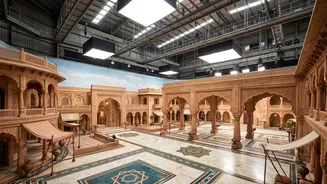
A film industry is more than just stars and stories; it's an ecosystem of physical infrastructure. Mumbai boasts an unparalleled concentration of world-class production and post-production facilities. The crown jewel is Dadasaheb Phalke Chitranagari, better known as Film City. Established in 1977 and spread across more than 500 acres, it provides a one-stop solution for filmmakers with its numerous studios, ready-made sets—from villages to courtrooms—and outdoor locations. Beyond this government-run complex, a dense network of private studios, equipment rental houses, animation and VFX specialists, and sound-mixing labs are scattered across the city. This ready-made, comprehensive infrastructure means producers can execute every stage of filmmaking without leaving the city, a convenience no other location in India can currently match.
A Magnet for Talent and Dreams
Mumbai is often called the 'City of Dreams', and for aspiring actors, directors, writers, and technicians, that dream is overwhelmingly cinematic. For generations, the city has acted as a powerful magnet, drawing in the largest and most diverse creative talent pool in the country. Whether it's a struggling writer hoping to pitch a script or a trained actor looking for a big break, Mumbai is where they come. This constant influx creates a vibrant, competitive, and highly skilled workforce that is readily available for any project. The biggest stars of Bollywood, from Shah Rukh Khan to Amitabh Bachchan, call Mumbai home, further cementing the city's status. This concentration of human capital creates a powerful network effect; the talent is in Mumbai because the work is in Mumbai, and the work stays in Mumbai because the talent is there.
Where Money Meets Movies
Cinema is an expensive business, and Mumbai’s role as India's financial capital is inextricably linked to its position as the entertainment capital. From its earliest days, the city's prosperous and business-friendly environment provided the necessary funding for a risky industry like filmmaking. Even today, major production houses, financiers, and corporate sponsors are headquartered in Mumbai. This proximity between creative projects and capital makes it easier to secure funding, forge partnerships, and manage the complex finances of film production. The historical connection to underworld funding in previous decades also, for better or worse, tied the industry's financial base to the city. Today, the formal financial ecosystem ensures that Mumbai remains the place where big-budget cinematic dreams get bankrolled.
The Challenge from Other Cities
Over the years, several states have tried to challenge Mumbai’s dominance, most notably Uttar Pradesh with its ambitious plans for a new film city in Noida. However, these efforts have struggled to gain traction. Critics argue that simply building infrastructure is not enough to replicate the organic, deeply-rooted ecosystem of Mumbai. Issues like high real estate costs, regulatory hurdles, and logistical inefficiencies in Mumbai do present challenges. Some legacy studios have even shut down due to soaring land values. Yet, the sheer momentum of Mumbai's century-old industry, its multicultural and inclusive environment, and the concentration of decision-makers have made it incredibly resilient. Recreating this complex blend of history, culture, talent, and finance from scratch is a monumental task that has so far proven impossible.