



The Magic of an Unripe Fruit
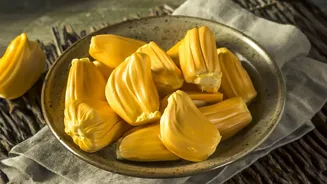
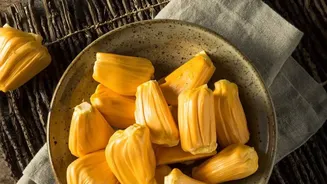
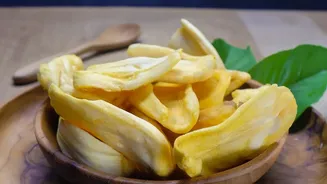
Before it ripens into a sweet, fragrant fruit with notes of mango and banana, the young, green jackfruit is a culinary chameleon. Harvested early, its flesh is pale, firm, and has a remarkably neutral taste. This is its greatest strength. Instead of imposing
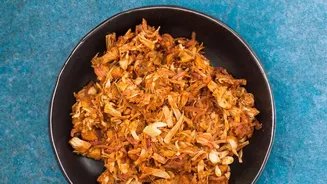
its own flavour, it acts like a sponge, eagerly soaking up spices, marinades, and the character of any gravy it's cooked in. Its most celebrated quality, however, is its texture. When cooked, the fibrous flesh shreds into strands that are uncannily similar to pulled pork or shredded chicken, providing a satisfying, 'meaty' bite that has made it a global sensation in plant-based cooking.
A Staple in Indian Kitchens
Long before the West discovered it for vegan tacos and BBQ sandwiches, young jackfruit, or kathal, was a beloved ingredient across India. From the fragrant 'kathal pulao' of the North to spicy pickles and rich 'kathal ki sabzi', regional cuisines have long celebrated its ability to stand in for meat in hearty, flavourful preparations. It brings a substantial, satisfying element to vegetarian meals that few other vegetables can match. While it mimics meat's texture, it is important to remember that it is primarily a carbohydrate and fibre source, not a protein powerhouse, so it's best paired with dal or paneer for a balanced meal.
The Parsi Approach: Sweet, Sour, and Savoury
Parsi cuisine is renowned for its beautiful balance of 'tikhu-khattu-mitthu'—spicy, sour, and sweet notes. This flavour profile is often applied to vegetable stews, sometimes called 'Lagan nu Stu' or wedding stew, which feature a medley of root vegetables. This approach is perfect for kathal, which can absorb the complexity of a Parsi masala. A typical Parsi curry often involves slow-cooking onions until golden, creating a rich base, and finishing with a touch of vinegar and sugar or jaggery to achieve that signature sweet and sour finish.
Parsi-Style Kathal Curry: The Ingredients
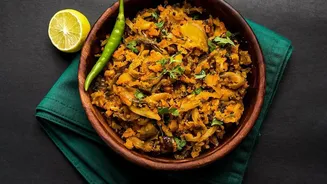
This recipe blends the hearty texture of kathal with the classic sweet and sour notes of Parsi cooking. For this you'll need: 500g young jackfruit (canned or fresh, prepped), 2 large onions ( finely sliced), 2 large tomatoes (chopped), 1 tbsp ginger-garlic paste, 2 green chillies, whole spices (cinnamon, cloves, cardamom), powdered spices (1 tsp turmeric, 1 tsp red chilli powder, 1 tsp coriander powder, ½ tsp cumin powder), 1 tbsp vinegar, 1 tsp sugar or jaggery, oil for cooking, and fresh coriander for garnish.
Step-by-Step Method
First, prepare the jackfruit. If using fresh, oil your hands and knife to manage the sticky sap, then peel and chop the fruit, boiling the pieces until tender. If using canned, simply drain, rinse well, and shred slightly. In a heavy-bottomed pan, heat oil and add the whole spices. Once fragrant, add the sliced onions and fry until they are soft and golden brown. Add the ginger-garlic paste and green chillies, and sauté for another minute. Tip in the chopped tomatoes and cook until they break down and become pulpy. Now, add all the powdered spices and cook the masala for a few minutes until the oil begins to separate. Add the prepared jackfruit pieces and stir well to coat them in the masala. Pour in about a cup of water, season with salt, and bring to a simmer. Cover the pan and let it cook on low heat for 15-20 minutes, or until the jackfruit is tender and the gravy has thickened. In the last few minutes, stir in the vinegar and sugar. Mix well, garnish with fresh coriander, and serve hot.