








The New Climate Reality for Travellers
Remember when a little rain was the worst you could expect on a trip? That reality is rapidly changing. Climate scientists and meteorological organisations worldwide have been clear: extreme weather events are becoming more frequent and more intense.
We're not just talking about hotter summers; we're talking about record-shattering heatwaves in Europe, unprecedented monsoons in Southeast Asia, and flash floods in places that have never seen them. By 2026, this won't be a shocking headline; it will be the baseline reality that shapes how we travel. The idyllic beach vacation or serene mountain trek now comes with a new caveat: the risk of sudden, severe weather that can appear with very little traditional warning.
From Major Inconvenience to Real Danger
The impact of this new weather volatility on travel is profound. It's no longer just a matter of inconvenience. A sudden heatwave can mean more than just discomfort; it can lead to heatstroke, especially for children and the elderly. In places like Greece and Canada, we've seen how quickly wildfires, fuelled by heat and dry conditions, can force mass evacuations of tourist areas. A surprise cyclone or storm can shut down airports for days, leaving thousands of travellers stranded. Roads can become impassable, trains can be cancelled, and entire itineraries can be wiped out. What was once a calculated risk has become a significant variable that can derail not just your plans, but also jeopardise your safety and well-being.
Your Digital Weather Watchdog
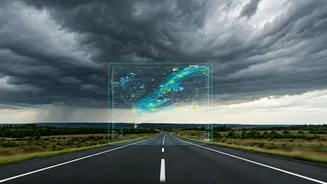
This is where technology offers a crucial lifeline. Real-time heat and storm alerts, delivered directly to your smartphone, are shifting from a 'nice-to-have' to an absolute 'must-have'. These aren't your standard daily forecasts. Modern alert systems use hyperlocal data to warn you about immediate, specific threats in your precise location. An alert might warn you of a severe heat index in the next two hours, advising you to seek shade and hydrate. It could notify you of an impending flash flood warning for the valley you're about to drive through, or tell you that lightning is expected near the beach you’re on. This information allows you to make immediate, informed decisions that prioritise safety.
The Essential Traveler’s Alert Toolkit
So, what should you have installed before your next trip? Think of it as a three-layered system. 1. Official Government Alerts: Many countries now have their own official emergency alert apps (like the IMD's 'Mausam' or 'Meghdoot' apps in India, or similar systems abroad). These are often the most reliable sources for serious warnings like cyclone, flood, or fire evacuation orders. Research the official app for your destination before you go. 2. Global Weather Apps with Push Notifications: Apps like AccuWeather, The Weather Channel, or Carrot Weather offer sophisticated push notifications for things like approaching rain, high winds, or dangerous UV levels. Configure them to be aggressive with alerts for your travel location. 3. Airline and Transport Apps: Always have the app for the airline you are flying. They are your fastest source of information for delays and cancellations due to weather. Similarly, local train or bus service apps can provide critical updates on service disruptions.
Beyond the Alert: A Smarter Travel Plan
Receiving an alert is only half the battle; knowing what to do with the information is what truly matters. This new reality demands a more flexible and proactive approach to travel planning. When you get a heat warning, your plan should be to shift outdoor activities to the early morning or evening. If a storm alert comes through, you should know where the nearest safe, sturdy shelter is. This means booking flexible accommodation and transport that allows for last-minute changes without huge financial penalties. It also means packing differently — including extra water, first-aid supplies, a portable power bank, and appropriate clothing for a wider range of conditions. Your backup plan is no longer a 'what if' scenario; it's a core part of your main itinerary.