






What Exactly Are 'Greener' Trains?
For decades, the hum of diesel engines has been a familiar sound on India’s vast rail network. While Indian Railways has made incredible strides in electrification, with nearly 99% of its broad-gauge network electrified by early 2026, many shorter, regional,
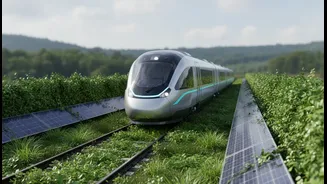
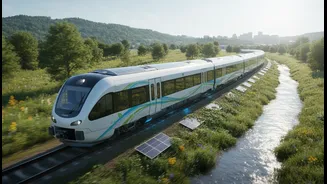
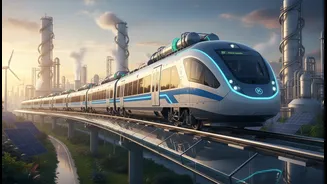
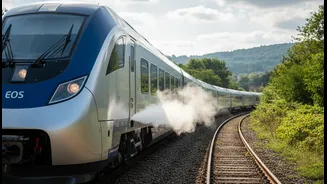
and heritage routes still rely on diesel. These non-electrified lines are often uneconomical to upgrade with overhead wires. This is where greener alternatives come in. The two most promising technologies are hydrogen-powered trains and battery-electric trains. Hydrogen trains use fuel cells that combine hydrogen with oxygen from the air to produce electricity, with water vapour being the only emission. Battery-electric trains, much like electric cars, store power in large batteries and can be charged at stations, offering a zero-emission solution for shorter distances. These technologies promise a quieter, cleaner ride without the massive cost of electrifying every last kilometre of track.
India's Hydrogen Train Makes Its Debut
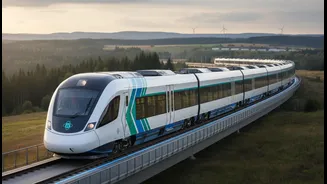
The abstract concept of green rail is becoming a reality in India. A major milestone is expected on July 17, 2026, when the country's first hydrogen-powered train is scheduled to be flagged off in Haryana. This indigenously developed 10-coach train will operate on the 90-km route between Jind and Sonipat. After successful trials, the train is set to begin commercial operations, making two round trips daily. Developed by the Research Designs and Standards Organisation (RDSO), this train is a retrofitted diesel-electric multiple unit (DEMU) that now runs on a hybrid system of hydrogen fuel cells and batteries. It generates zero carbon emissions and represents a significant step in the nation’s push for sustainable transport, placing India in a select group of countries exploring this advanced technology.
A Boost for Student Travel and Tight Budgets
One of the most exciting prospects of these green technologies is their potential to make travel more affordable, especially for students. Hydrogen and battery trains are being piloted on routes that are currently served by more expensive diesel trains. While the initial cost of a hydrogen train is high, studies suggest that lower fuel and maintenance costs could lead to significant lifetime savings compared to diesel-powered trains. The new hydrogen train on the Jind-Sonipat route, for instance, is expected to have highly affordable fares, with ticket prices projected to range from just Rs 5 to Rs 25. By reducing operational expenses on these routes, railways can pass on the savings to passengers. This could mean more frequent services on routes connecting educational hubs or more budget-friendly fares for students travelling home for holidays, making educational and personal travel much more feasible.
Unlocking New Weekend and Heritage Getaways
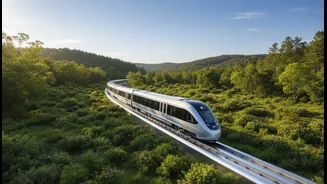
These new trains aren't just for daily commuters. Indian Railways has a 'Hydrogen for Heritage' initiative that aims to deploy these clean trains on iconic metre-gauge and narrow-gauge routes like the Kalka-Shimla Railway, Darjeeling Himalayan Railway, and Nilgiri Mountain Railway. These tourist-heavy lines often run through ecologically sensitive areas where eliminating diesel pollution is a high priority. For weekend travellers, the deployment of hydrogen or battery trains could open up new possibilities. These trains can service routes where laying expensive overhead electrification isn't viable, potentially connecting major cities to new, off-the-beaten-path destinations. This could provide a major boost to local tourism economies, making it easier for city dwellers to explore nearby hill stations, heritage sites, and natural landscapes without the hassle or environmental cost of driving.
The Road Ahead: Challenges and Opportunities
The journey to a fully green railway network is not without its challenges. The initial investment for hydrogen trains and the associated infrastructure, such as dedicated refuelling plants like the one built in Jind, is substantial. Furthermore, ensuring a steady supply of 'green' hydrogen—produced using renewable energy—is crucial to realise the full environmental benefits. However, the long-term advantages are compelling. Beyond the obvious environmental benefits of zero emissions, these technologies offer increased energy efficiency and a move away from fossil fuel dependence. As the technology matures and scales up, costs are expected to fall. The successful pilot on the Jind-Sonipat line will be a crucial test case, providing valuable data for future rollouts across the country and paving the way for a new era of clean, accessible, and affordable rail travel.