




The Magic of a Solstice Night
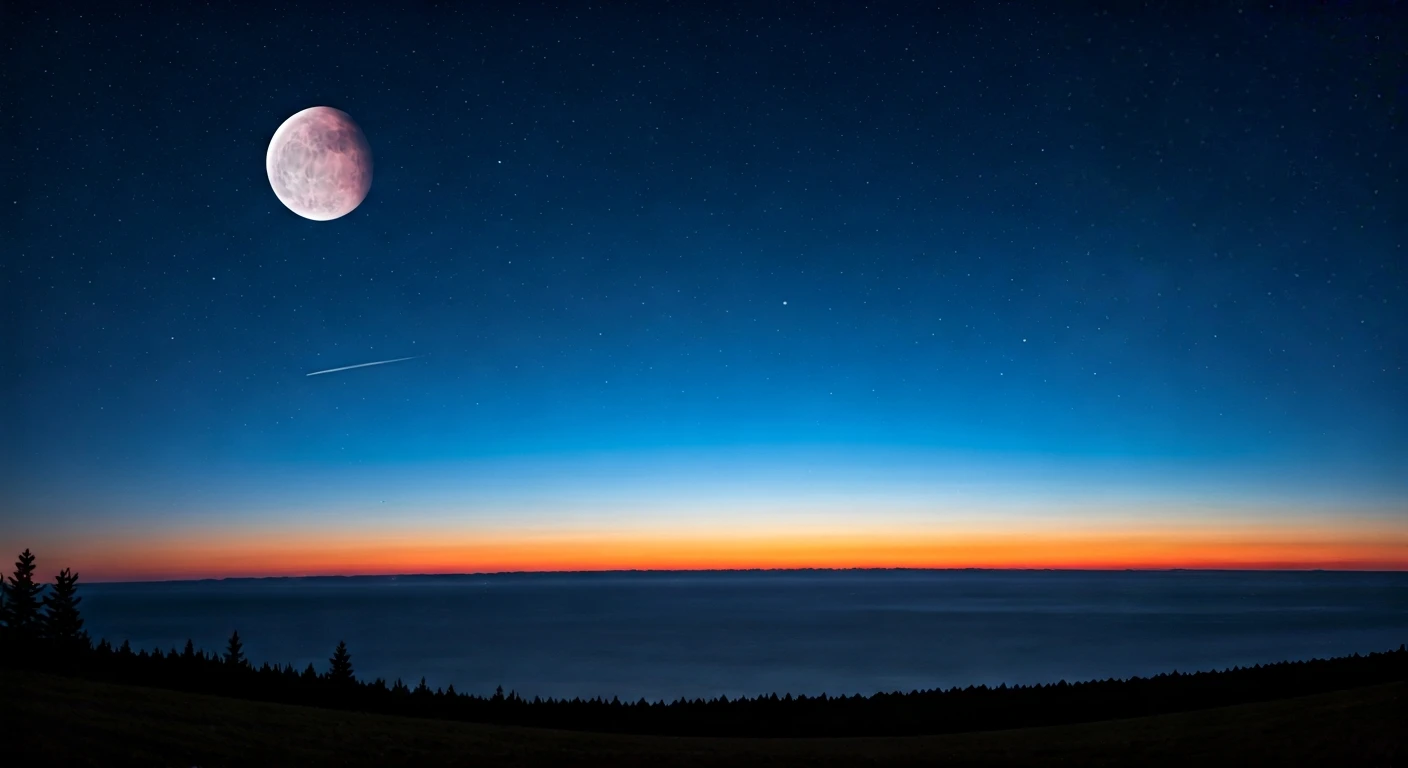
The summer solstice, occurring around June 21st, marks the official start of summer in the Northern Hemisphere and gives us the most daylight of the year. While that means less time for stargazing, the nights that follow are often worth the wait. The shorter
period of darkness means the atmosphere can be more stable, offering crisper views. Furthermore, this time of year brings some of the most famous and beautiful constellations into prime viewing position. Instead of a vast, intimidating expanse of night, the solstice offers a curated, high-quality cosmic show in a compact timeframe. It’s the perfect opportunity for beginners and seasoned astronomers alike to reconnect with the universe above.
Your Celestial Viewing Checklist
The post-solstice night sky is brimming with spectacular sights, many of which are easily visible to the naked eye. In the pre-dawn hours, look towards the east to spot the ringed planet, Saturn, appearing as a steady, yellowish-white point of light. Following it, the reddish glow of Mars will rise. But the real stars of the show are the constellations. Look directly overhead for the Summer Triangle, an unmissable asterism formed by three bright stars from three different constellations: Vega (in Lyra), Deneb (in Cygnus), and Altair (in Aquila). This celestial landmark is your gateway to navigating the summer sky. It’s so bright that it can even be seen from light-polluted urban areas, making it a reliable starting point for any night of observation.
Hunt for the Heart of the Milky Way
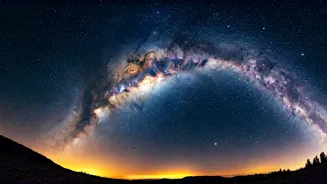
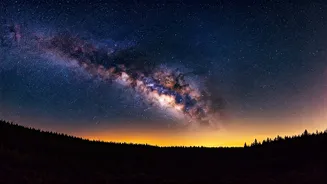
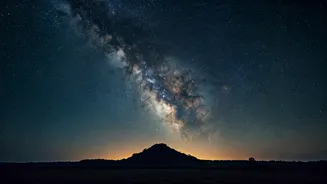
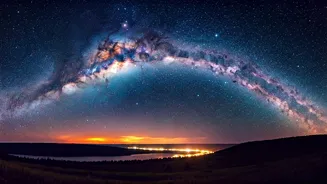
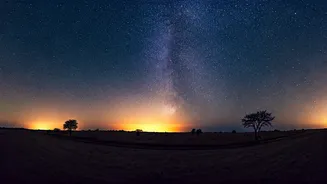
If you can get to a location with minimal light pollution, late June is an excellent time to witness the majestic core of our own galaxy, the Milky Way. To find it, look towards the southern horizon. You’ll spot the distinctive, hook-shaped constellation of Scorpius, the scorpion. Just to the east of Scorpius’s “stinger” lies the constellation Sagittarius, which contains the densest, brightest part of the Milky Way. On a clear, moonless night, this area will appear as a luminous, hazy cloud stretching across the sky. It’s a breathtaking sight that reminds us of our place in a vast cosmic neighbourhood. Even with binoculars, this region resolves into a staggering field of countless stars, clusters, and faint nebulae.
Essential Tips for the Best View
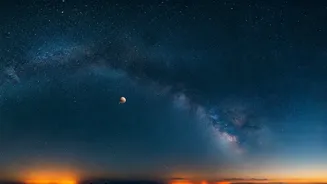
Your stargazing success depends on more than just looking up. First, escape the city. Light pollution is the biggest obstacle to seeing faint stars and the Milky Way. Find a park, a rural area, or any spot away from streetlights. Second, give your eyes time to adjust. It takes about 20-30 minutes for your pupils to fully dilate and adapt to the dark. Avoid looking at your phone screen, as its bright white light will reset your night vision instantly. If you need a light, use a red-light torch or cover a regular one with red cellophane. Finally, check the moon phase before you go. A bright full moon can wash out all but the brightest stars and planets, so aim for nights closer to the new moon for the darkest skies.
Gear Up (or Don't)
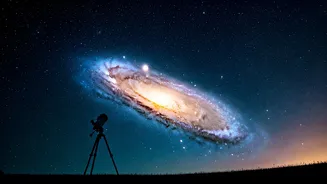
You don't need expensive equipment to enjoy the cosmos. Your own eyes are the most important tool. However, a simple pair of binoculars can dramatically enhance the experience, revealing the moons of Jupiter (when visible), the fuzzy glow of star clusters, and far more detail in the Milky Way. If you’re considering a telescope, a small, user-friendly Dobsonian reflector is an excellent and affordable choice for beginners. Don't forget technology can be your friend: stargazing apps like Stellarium, SkyView, or Star Walk can help you identify planets, stars, and constellations in real-time just by pointing your phone at the sky. Just be sure to switch the app to its red-light “night mode” to preserve your night vision.