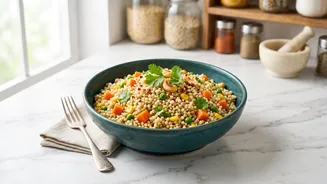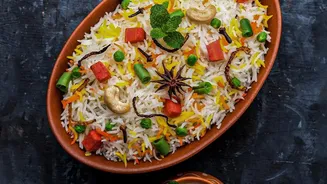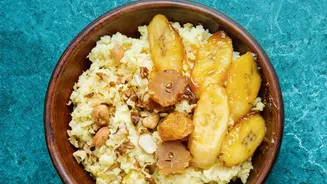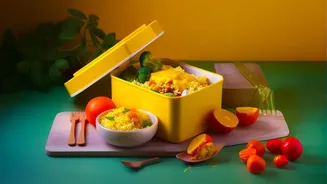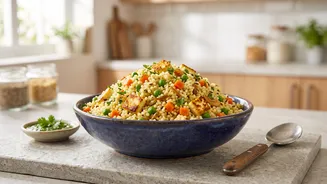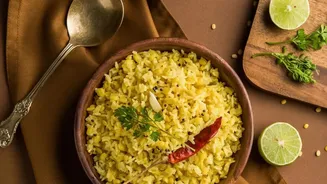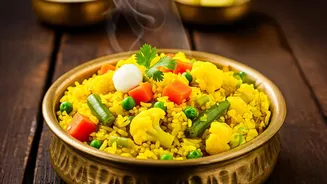


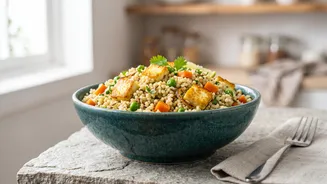
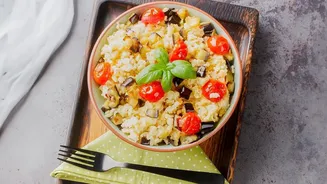
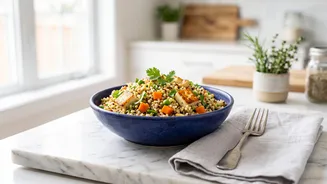
Looking for a healthy twist on a classic comfort food? This vegetable millet pulao is the perfect answer. It's a flavourful, one-pot meal packed with nutrients and colourful vegetables, making it an ideal choice for a wholesome everyday lunch or dinner.
Why Millets Are Making a Comeback
For centuries, millets were a staple in Indian kitchens before rice and wheat became dominant. Today, these ancient grains are returning to the spotlight, celebrated for their incredible health benefits. Millets are naturally gluten-free, making them an excellent choice for those with sensitivities. They are packed with dietary fibre, which aids digestion and keeps you feeling full for longer. Rich in essential minerals like magnesium, potassium, and iron, millets support everything from heart health to immunity. Their low glycaemic index helps in managing blood sugar levels, providing a steady release of energy without the slump often associated with refined grains. This impressive nutritional profile makes millet an easy and smart swap for rice in many traditional dishes.
Choosing Your Millet and Vegetables
Different types of millets can be used for pulao, each offering a slightly different texture. Foxtail millet is a popular choice because its grains tend to stay separate and fluffy after cooking, much like basmati rice. Barnyard, Kodo, and Little millets are also fantastic options that cook relatively quickly and absorb flavours beautifully. When it comes to vegetables, the goal is variety and colour. A classic pulao combination includes diced carrots, green beans, peas, and potatoes. However, feel free to get creative. Bell peppers (capsicum), sweet corn, and even soaked soya chunks can be added for extra texture, flavour, and nutrition. Using a mix of colourful produce not only makes the dish visually appealing but also ensures a wider range of vitamins and minerals.
The Secret to Flavour: Spices and Tempering
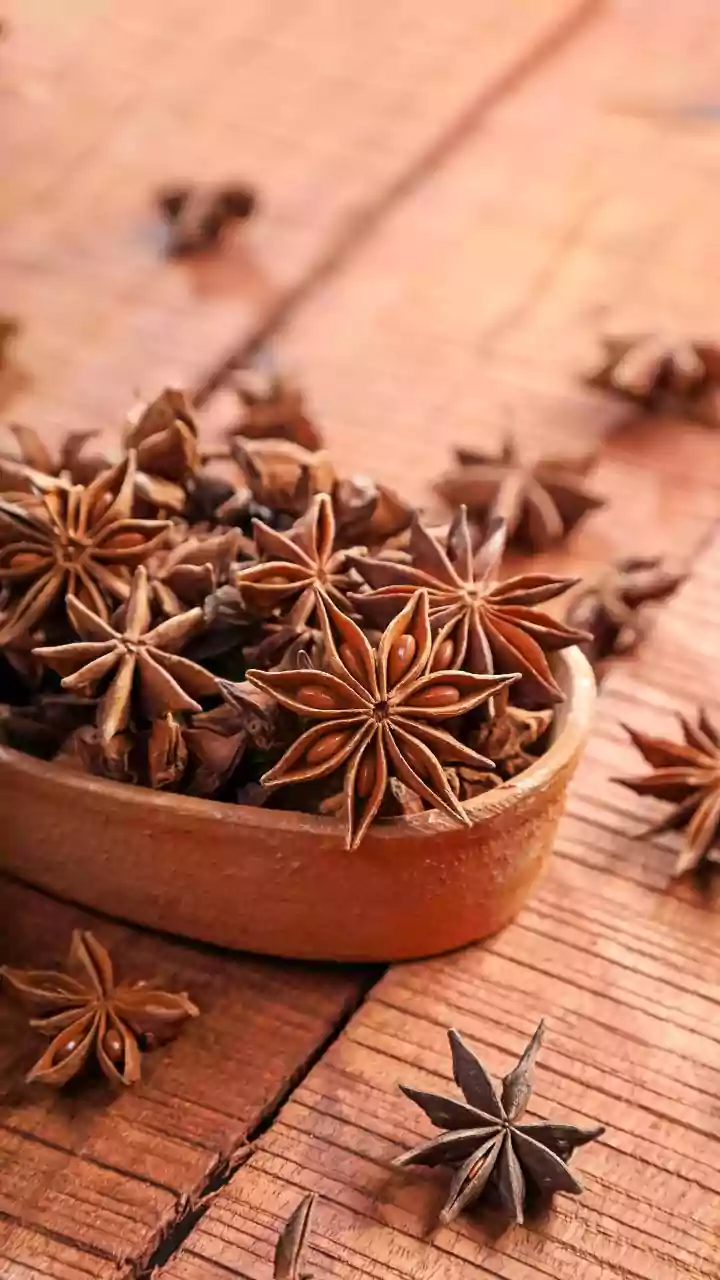
The aromatic foundation of any great pulao is its blend of whole spices. A simple tempering, or 'tadka', in ghee or oil releases the essential oils of the spices, infusing the entire dish with flavour. Key spices include cumin seeds, a bay leaf, a small stick of cinnamon, and a few cloves and cardamom pods. After the spices sizzle, thinly sliced onions are sautéed until they turn translucent or golden brown. This is followed by ginger-garlic paste, which adds a pungent depth. Freshly chopped mint and coriander leaves, added with the vegetables, bring a wonderful freshness that balances the warmth of the spices. Don't be afraid to adjust the number of green chillies to suit your preferred spice level.
Step-byStep Guide to a Perfect Pulao
Making millet pulao is straightforward. First, rinse one cup of your chosen millet thoroughly under running water. Soaking it for at least 20–30 minutes is highly recommended; this helps the grains cook evenly and become fluffy. While the millet soaks, heat one to two tablespoons of ghee or oil in a pressure cooker or a heavy–bottomed pan. Add your whole spices and let them splutter. Next, add the sliced onions and sauté until soft, then stir in the ginger–garlic paste and slit green chillies. Add your chopped mixed vegetables and cook for a few minutes. Drain the soaked millet completely and add it to the pan, stirring gently for a minute. Pour in two cups of water (a 1 : 2 millet–to–water ratio is standard for most varieties), add salt to taste, and bring the mixture to a boil. If using a pressure cooker, cook for about two whistles on a medium flame. In a pan, cover and simmer on low heat for 12–15 minutes, or until all the water is absorbed.
Tips for Fluffy , Non–Sticky Grains
The biggest challenge when cooking millets is avoiding a mushy texture. The key lies in a few simple tricks. First , never skip the rinsing and soaking step . Second , adhere to the 1 : 2 millet–to–water ratio ; too much water is the primary cause of stickiness . Some cooks even recommend lightly toasting the dry millet in the pan for a minute before adding water to enhance its nutty flavour and keep the grains separate . Once the pulao is cooked , it is crucial to let it rest , covered , for at least 5–10 minutes off the heat . This allows the grains to absorb any remaining steam and firm up . Finally , instead of using a spoon , gently fluff the pulao with a fork before serving . This separates the grains without breaking them .