





The Cult of the Clean Slate
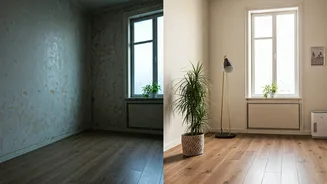
Walk into a typical rental flat in any major Indian metropolis, and you’ll likely find a familiar sight: beige or off-white walls, generic tiled floors, and a distinct lack of character. This isn't an accident; it's a deliberate choice. Landlords often
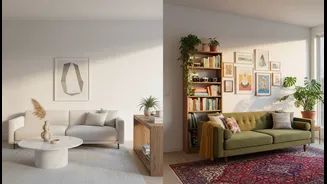
prefer a neutral canvas, believing it’s easier to maintain and appeals to the widest possible audience. They fear anything too personal, too bold, or too “messy,” associating it with damage and difficult turnovers. This preference for a safe, minimalist aesthetic is compounded by a global trend that champions clean lines and decluttered spaces. While minimalism has its merits, in the context of the transient rental market, it often translates into a sterile uniformity that strips a home of its soul. Many renters, living with the knowledge that their stay is temporary, hesitate to invest time, money, or personality into a space that isn't truly theirs, perpetuating a cycle of impersonal living.
The Hidden Cost of a Sterile Space
Living in an environment that feels more like a hotel room than a home can have a subtle but significant psychological impact. A home is meant to be a sanctuary, a place of comfort and self-expression. When it’s a blank, unfeeling space, it can contribute to a sense of detachment and restlessness. This is especially true for the millions of young Indians who move to new cities for work or education, already navigating the challenges of a new environment. An impersonal apartment can amplify feelings of loneliness and transience. Psychologically, an overly sterile environment can even be counterproductive, as our immune systems benefit from exposure to a diverse range of harmless microbes found in a normal, lived-in home. The idea isn't to be unhygienic, but to recognize that a home that is too clean, too perfect, might be missing the essential ingredients of life itself.
What 'Messier' and 'Realer' Truly Mean
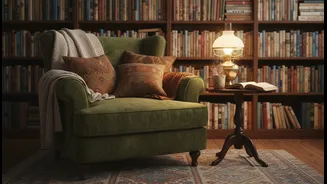
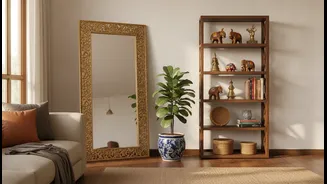
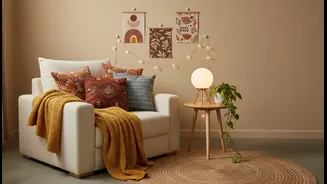
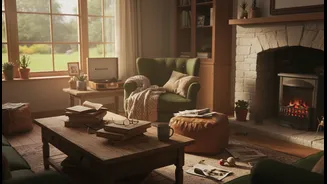
The call for “messier” homes isn’t a plea for chaos or untidiness. It’s an argument for embracing a lived-in reality. A “messy” home is one that has layers: a stack of books by the bedside, a collection of mismatched mugs, a gallery wall of personal photos and quirky art. It’s about rejecting showroom perfection for something that tells a story. Historically, Indian homes have been maximalist, filled with colour, texture, handcrafted items, and meaningful objects collected over generations. While modern urban living often demands more streamlined solutions, a “realer” home finds a balance. It blends the functional needs of a compact apartment with the soulful accents of our culture—be it through handwoven textiles, artisanal pottery, or bold patterns that reflect a vibrant heritage. It’s a space that evolves with you, reflecting your hobbies, your travels, and your identity.
Small Acts of Renter Rebellion
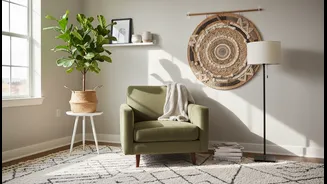
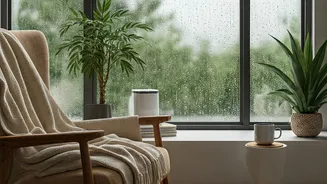
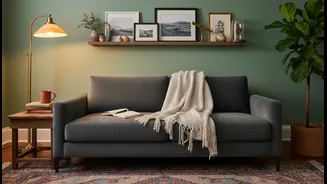
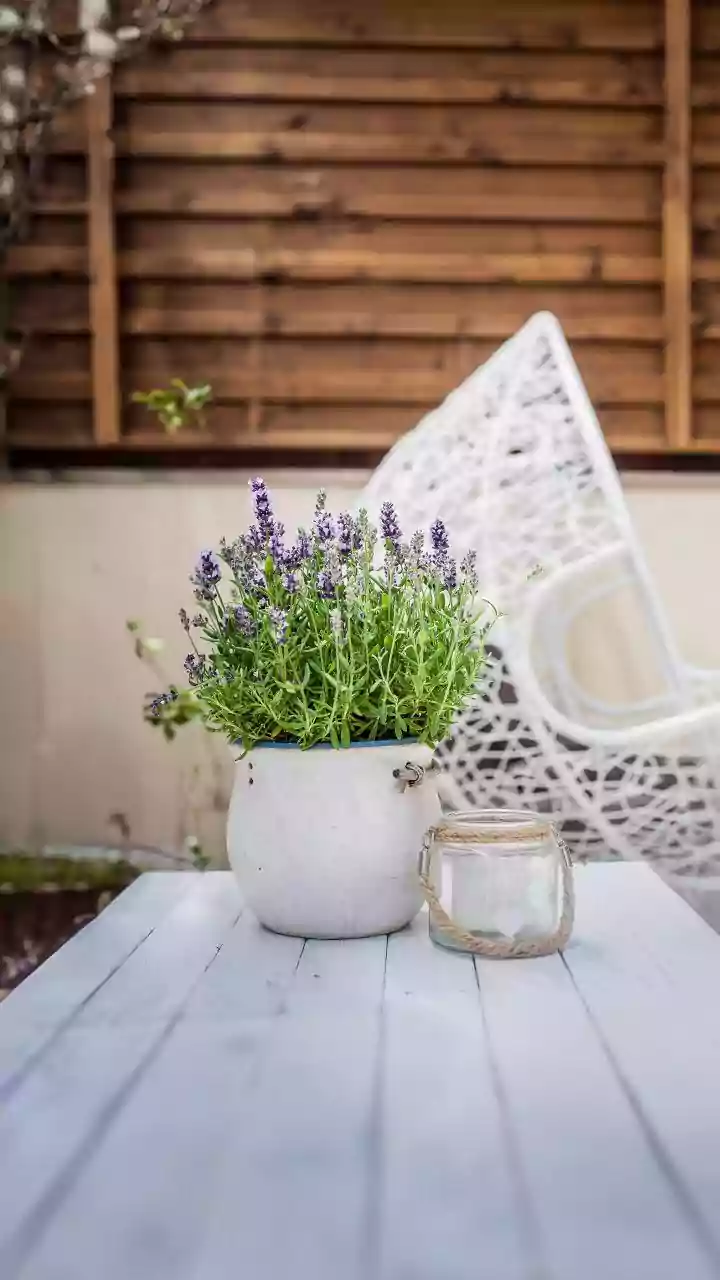
Personalizing a rental doesn't have to mean breaking your lease agreement or your budget. There are countless non-permanent ways to infuse warmth and character. Textiles are a renter’s best friend; a large, colourful rug can instantly anchor a room, while vibrant curtains and patterned throw pillows add texture and personality. Instead of drilling walls, use removable adhesive strips to hang lightweight art or create a gallery wall of memories. Leaning larger framed pieces against a wall can create a chic, casual look. Plants are another powerful tool, bringing life and a touch of nature indoors, which is a growing trend in urban Indian homes. Lighting also plays a crucial role; swapping out harsh standard-issue fixtures for warm floor lamps or interesting table lamps can completely change a room's mood. Even small details, like changing out boring cabinet knobs for more decorative ones, can make a surprising difference.