





Understanding the GST Breakdown
Goods and Services Tax (GST) is not a single entity. It’s a combination of Central GST (CGST) and State GST (SGST) for transactions within a state, and Integrated GST (IGST) for transactions between states and on all imports. When goods enter India, they
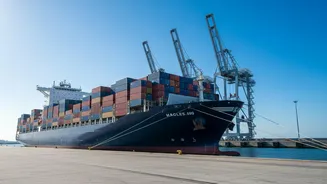
are subject to IGST, which is collected by the central government. This is on top of any applicable customs duties. For July 2026, overall GST collections saw a robust 15.4% year-on-year growth. However, the growth was not uniform. While revenue from domestic transactions grew by a healthy 10.1%, the tax collected on imported goods surged by a massive 28.8%. This disproportionate jump is what warrants a second look.
Is High Import GST a Good Sign?
A rising number in a government’s revenue column usually feels like good news. It suggests economic activity and fiscal strength. And to an extent, it is. The ₹66,511 crore collected from import GST in July is a significant contributor to the total ₹2.11 trillion haul. Some experts point to this as a sign of resilient demand within the country. However, high GST on imports isn't driven by domestic manufacturing or services growth. It's a direct reflection of the value of goods being brought into the country. A higher import tax figure means one of two things, or a combination of both: India is either buying a larger quantity of foreign goods or the value of those imports has increased, perhaps due to a weaker rupee.
The Other Side of the Coin
This is where the headline number becomes potentially misleading. A surge in imports relative to exports leads to a wider trade deficit. A trade deficit occurs when a country spends more on imports than it earns from exports. While a temporary deficit can be manageable and even indicate strong domestic demand, a chronic and widening gap can create significant economic headwinds. It puts pressure on the nation's foreign currency reserves, as more dollars are needed to pay for imports. This increased demand for dollars can, in turn, weaken the rupee. A weaker rupee makes imports even more expensive, which can fuel inflation, especially for essential commodities.
What a 'Healthier' Growth Looks Like
A more balanced and arguably healthier sign of economic strength would be strong growth in GST collections from domestic transactions. A robust rise in CGST and SGST indicates that local businesses are thriving, people are consuming goods and services produced within the country, and the domestic economy has strong momentum. The 10.1% growth in domestic GST is positive, but it is dwarfed by the nearly 29% surge from imports. Experts have cautioned that elevated import GST collections highlight India's continued dependence on foreign goods and the need for deeper localisation of manufacturing to support long-term, sustainable growth. This is not to say that import GST is 'bad', but rather that its outsized growth compared to domestic GST paints a picture that is less rosy than the single headline number suggests.