






The Romance of Rain and Fritters
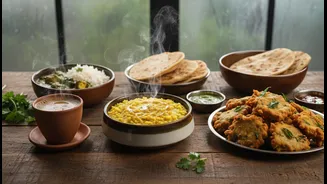
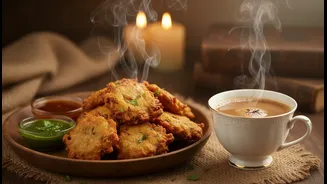
In India, the monsoon is more than just a season; it's a cultural event that transforms the landscape, mood, and even our appetites. The pairing of hot, milky, spiced tea with deep-fried, savoury fritters is deeply woven into the fabric of this experience.
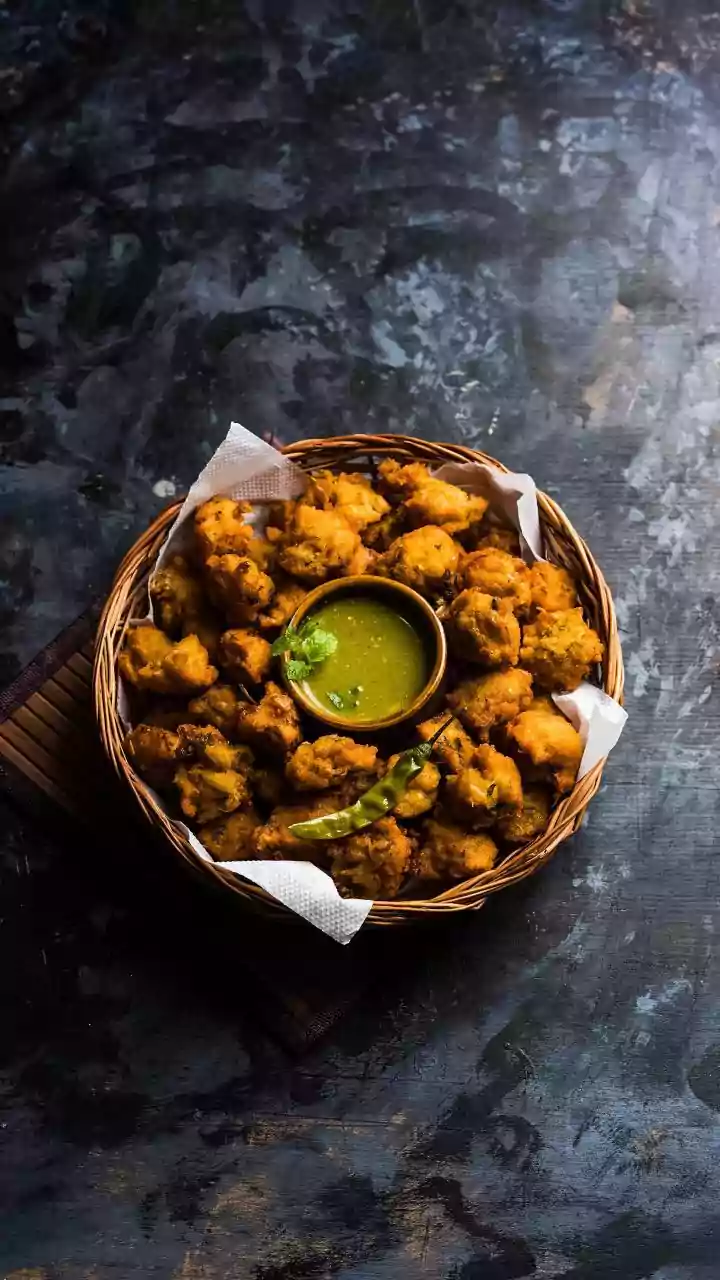
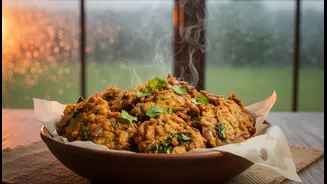
It's a multisensory affair: the sound of rain drumming on the windowpane, the aroma of ginger and cardamom in the air, and the satisfying crunch of a pakora. This ritual is often tied to powerful memories of family gatherings, seeking shelter from a downpour, and shared moments of simple joy. This isn't just food; it's a form of edible nostalgia that transports us to a time and place where we felt safe and cared for. For many, the craving is almost Pavlovian—the first drop of rain triggers an immediate desire for this specific comfort.
What Really Drives the Craving?
Beyond pure nostalgia, there’s a scientific basis for these intense monsoon cravings. The gloomy, overcast weather and lack of sunlight can lead to a dip in serotonin, our body's 'feel-good' hormone. In response, our brain seeks a quick fix, often in the form of carbohydrates and fats, which can provide a temporary mood boost. Comfort foods trigger reward centers in the brain, releasing dopamine and creating a sense of pleasure and satisfaction. The hot and crispy texture of pakoras provides a delightful contrast to the damp, humid environment, making them feel particularly comforting. This combination of psychological conditioning and physiological response makes the pull toward chai and pakoras incredibly strong, feeling less like a choice and more like a necessity.
A Nutritional Reality Check
Here's where the comforting nostalgia clashes with nutritional science. A typical cup of masala chai, prepared with whole milk and sugar, can contain anywhere from 70 to 120 calories, primarily from sugar and fat. While the spices themselves have health benefits, the added sugar offers empty calories that can lead to energy crashes. Now for the pakoras. A serving of about 100 grams of onion pakoras can pack around 300 calories, with a significant portion coming from fat. The main issue is the deep-frying process. Foods cooked this way absorb a large amount of oil, drastically increasing their calorie and fat content. Even though they are often made with gram flour (besan), which provides some protein and fibre, the frying method largely negates these benefits.
Beyond Just the Calories
The concern isn't just about weight gain. The type of fat consumed is critical. Often, especially in commercial settings or even at home, cooking oil is reused for frying multiple batches. When oil is repeatedly heated to high temperatures, its chemical structure breaks down, forming harmful compounds like trans fats and aldehydes. These substances are linked to increased inflammation, oxidative stress, higher levels of 'bad' LDL cholesterol, and an elevated risk of chronic conditions like heart disease and even certain neurological issues. Frequent consumption of such deep-fried foods can also lead to digestive problems like acidity and bloating, disrupting gut health and overall well-being.
Mindful Indulgence, Not Total Deprivation
The solution isn't to banish this beloved tradition but to approach it with mindfulness. Enjoying chai and pakoras is about quality, not quantity. Instead of a daily ritual, reserve it for truly special rainy days. When you do indulge, consider making them at home where you have control over the ingredients and cooking method. You can make healthier versions by using an air fryer, a non-stick pan with minimal oil, or even an appam maker. Adding more vegetables to your pakora batter can increase its fibre and nutrient content. For your chai, try reducing the amount of sugar or using a natural sweetener. By making these small adjustments, you can honour the nostalgic craving without compromising your long-term health, allowing you to savour the moment guilt-free.