




The Statistic That Sparked Curiosity
In its recent 'Travel Trends 2027' report, global travel search engine Skyscanner revealed a list of destinations seeing the biggest year-on-year jump in search volume from Indian travellers. While exotic international locations topped the charts, one
name stood out: Rupsi, Assam, which ranked second with a staggering 502% increase in flight searches. This data, based on searches made between early January and mid-June 2026, doesn't measure actual bookings but rather a powerful surge in curiosity. For a place largely unknown to the mainstream tourist, this sudden digital footprint signals the birth of India's next potential travel hotspot, prompting the question: what is driving this newfound interest?
A World War II Airfield Reborn
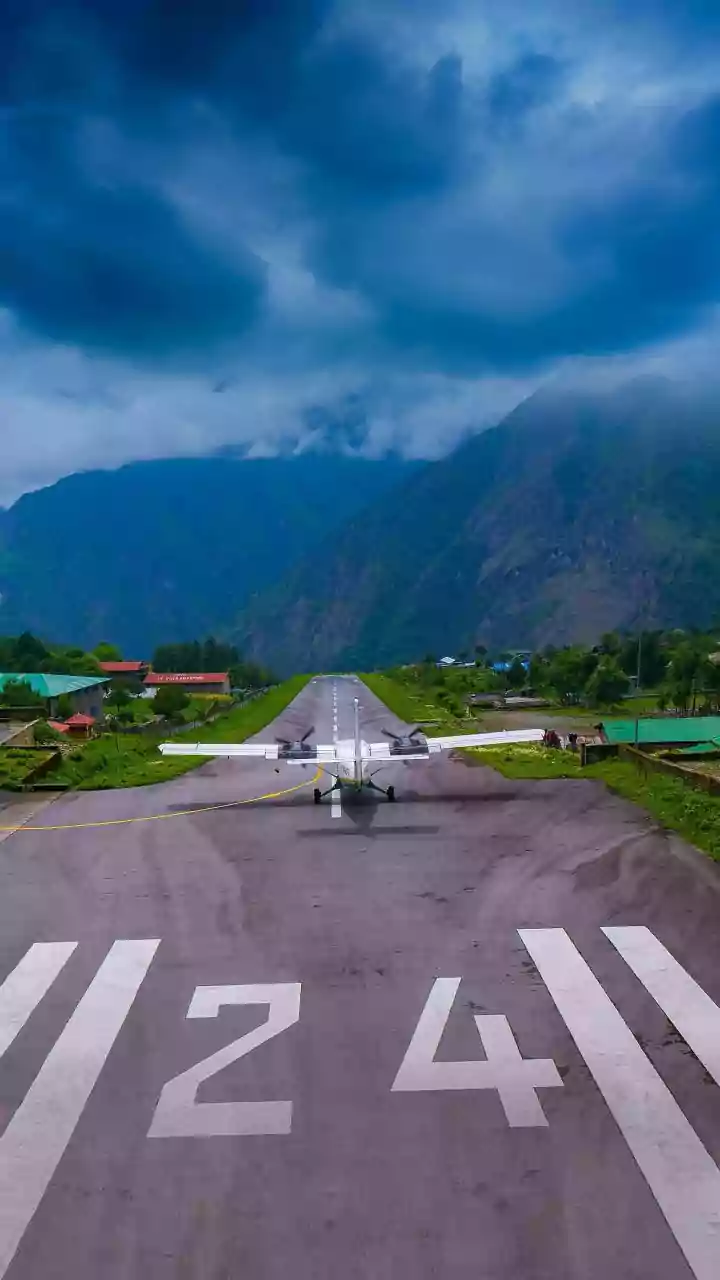
The primary catalyst for Rupsi's emergence is the revival of its airport. Originally built by the British during World War II for military supply lines to the China-Burma-India theatre, the Rupsi airfield lay defunct for nearly four decades after regional airline Vayudoot ceased operations in 1984. After years of neglect, the airport was redeveloped at a cost of roughly Rs 69 crore and reopened in May 2021 under the government's UDAN (Ude Desh ka Aam Nagrik) scheme. This regional connectivity scheme aims to make flying accessible and affordable, operationalizing underserved airports across the country. The revived airport, now suitable for ATR-72 type aircraft, drastically cuts travel time, converting a gruelling 5-7 hour road journey from Guwahati into a short 45-minute flight.
Gateway to Undiscovered Western Assam
Rupsi Airport is more than just a destination; it's an accessible entry point to the lesser-explored region of Lower Assam. Located in the Kokrajhar district, the airport serves the commercial town of Dhubri (just 17 km away) and the surrounding districts of Goalpara, Bongaigaon, and the Bodoland Territorial Region (BTR). This new accessibility unlocks a part of the state rich in natural beauty and cultural heritage, far from the well-trodden paths of Kaziranga and Majuli. For travellers from Guwahati or Kolkata, Rupsi now offers a direct link to explore the riverine landscapes of the Brahmaputra, historical sites, and the unique cultural tapestry of communities like the Rabha, Bodo, and Koch-Rajbongshi.
The Land of the Golden Langur
One of the most significant attractions near Rupsi is the Chakrashila Wildlife Sanctuary, the second protected habitat for the endangered Golden Langur in India. This rare primate, with its shimmering cream-to-golden fur, was first documented for science by naturalist E.P. Gee, though it has long been revered by local Bodo communities. The sanctuary, a hilly tract of semi-green and moist deciduous forests, is a stronghold for this shy species. Beyond the langurs, the sanctuary is a biodiverse haven for leopards, pangolins, and numerous bird species, offering opportunities for trekking and wildlife photography. The proximity of this unique ecological treasure is a major draw for nature and wildlife enthusiasts now able to fly into Rupsi.
A Confluence of Faith and History
The region surrounding Rupsi is dotted with sites of deep spiritual and historical importance. In Dhubri town stands the Gurudwara Sri Guru Tegh Bahadur Sahib Ji, a revered Sikh shrine established by the ninth Sikh Guru on the banks of the Brahmaputra. Another key religious site is the Mahamaya Dham, a centuries-old Shakti Peeth temple complex venerated across Lower Assam. History buffs can explore the Panbari Mosque, one of the oldest in Assam, dating back to the pre-Mughal era, and the Gauripur Rajbari, a historic palace reflecting the region's royal past. The terracotta village of Asharikandi also offers a glimpse into vibrant local craft traditions. This blend of attractions provides a compelling itinerary for cultural tourists.