






The End of Checklist Tourism
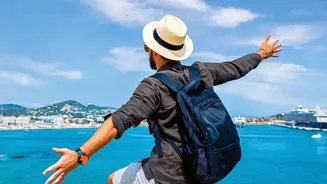
For decades, travel success was measured by quantity—how many cities you could see, how many monuments you could photograph. This 'checklist' approach often leaves travellers feeling more stressed than restored. The pressure to 'see it all' results in travel burnout,
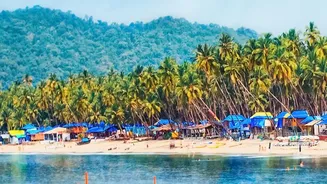
a state of physical and mental exhaustion caused by constant movement and decision-making. Many are now questioning this model, realizing that a whirlwind tour of four countries in ten days doesn't equate to a meaningful experience. This has sparked a move away from crowded hotspots and toward quieter, more deliberate journeys. The goal is no longer to just see a place, but to actually experience it.
A Mindset Shift to Slow Travel
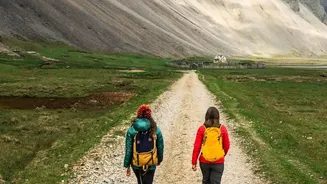
The antidote to travel burnout is 'slow travel', a philosophy that prioritizes depth over breadth. It’s about immersing yourself in a single destination, living more like a local, and allowing for spontaneous discovery. This approach encourages travellers to trade a packed schedule for a sense of presence, swapping a checklist of sights for genuine connections with the culture, food, and people of a place. The focus shifts from doing more to experiencing more deeply, which studies suggest leads to greater relaxation and personal enrichment. By slowing down, travel becomes less about an itinerary and more about absorbing the rhythm of daily life in a new environment.
Remote Work Redefines the Vacation
The global rise of remote work has been a major catalyst for this trend. The ability to work from anywhere has blurred the lines between work and leisure, giving rise to the 'workation' or 'bleisure' trip. Professionals are no longer limited by a few weeks of annual leave. Instead, they can relocate their office to a new destination for weeks or even months. This has made longer stays more feasible than ever. According to a 2024 Airbnb report, nearly one in five bookings were for stays longer than 28 days. Hospitality providers have responded by offering long-stay discounts and equipping accommodations with reliable Wi-Fi and dedicated workspaces, amenities that are now crucial for this new class of 'laptop luggers'.
Seeking Deeper, More Authentic Connections
Beyond logistics, there's a growing desire for more authentic and transformative experiences. Many travellers now seek 'deep travel,' a mindset focused on meaningful engagement with a destination’s culture, history, and people. This means moving beyond the tourist trail to participate in local life—visiting neighbourhood markets, joining community events, or even just becoming a regular at a local café. Such immersive experiences foster a genuine understanding of a place that a fleeting visit can never provide. It’s about creating lasting memories and relationships, transforming travel from a passive act of sightseeing into an active process of learning and personal growth.
Wellness and Economic Sense
Choosing longer stays also comes with significant benefits for both well-being and budgets. A slower pace naturally reduces the stress and anxiety associated with rushed travel, allowing for genuine rest and rejuvenation. From a financial perspective, staying in one place for an extended period can be more cost-effective. Travellers can take advantage of weekly or monthly discounts on accommodations, save money by cooking some of their own meals, and reduce transportation costs. This combination of improved mental wellness and financial practicality makes the decision to stay longer not just a preference, but a smarter way to travel.