


A Tale of Two Victories
The 2026 State of Food Security and Nutrition in the World (SOFI) report, jointly published by five UN agencies, brings what seems like good news. India has seen a dramatic drop in undernourishment over the last two decades. The proportion of the undernourished
population fell from 21.1% in 2004-06 to just 9.8% in 2023-25. In absolute numbers, that’s about 101 million fewer people facing chronic hunger. This success is largely thanks to robust food security programmes like the Public Distribution System (PDS), which ensures that millions have access to subsidised rice and wheat, effectively tackling the problem of empty stomachs. However, the report makes it clear that surviving and thriving are two different things. Just because people have enough calories does not mean they are getting the right nutrition.
The Soaring Cost of a Healthy Plate
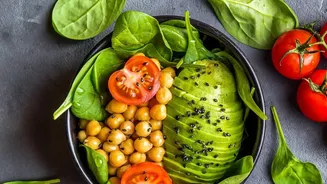
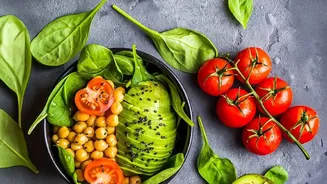
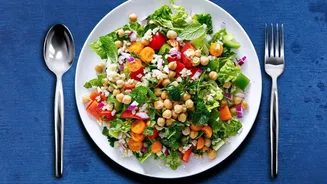
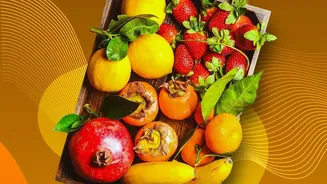
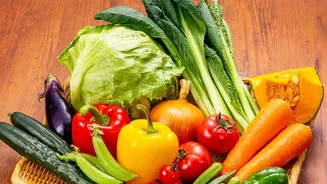
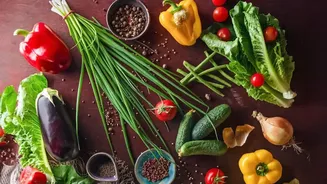
Here's the core issue the UN report highlights: a healthy diet is becoming a luxury. In 2025, an estimated 520.1 million people in India—more than one in every three citizens—could not afford a nutritionally adequate diet. This is despite the fact that the percentage of people unable to afford such a diet has fallen from nearly 60% in 2017. The cost of a healthy diet in India was calculated at $4.11 (in purchasing power parity terms) per person per day in 2025. This represents a staggering 48% increase since 2017. This sharp rise in cost means that for many families, nutrient-dense foods like fruits, vegetables, pulses, and milk are being pushed off the plate in favour of cheaper, calorie-rich staples.
From Hunger to Hidden Malnutrition
This affordability crisis is shifting India's primary challenge from hunger to malnutrition. While stunting and wasting in children have declined, indicators like adult obesity and anaemia in women are on the rise. This reflects a 'double burden' of malnutrition, where undernutrition coexists with overweight and obesity, often within the same communities or even households. The report points out that the increasing consumption of ultra-processed foods, which are often cheaper and more accessible than fresh, healthy options, is a contributing factor. The focus of national policy, which has historically been on calorie security, now needs to evolve to prioritise nutrition security.
What's Driving the High Costs?
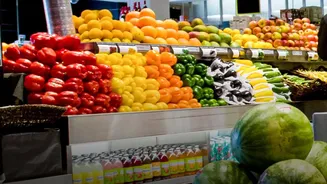
The UN report identifies several factors making healthy food expensive, many of which are acutely felt in India. Persistent food inflation, even if moderate, disproportionately affects the price of nutritious items. In recent months of 2026, rising prices for vegetables like tomatoes, alongside fuel cost hikes, have added to household budget pressures. Beyond inflation, structural issues like inefficient supply chains, inadequate cold storage, and post-harvest losses contribute significantly to the final cost of fresh produce. These systemic problems mean that by the time fruits and vegetables reach the consumer, their price has inflated, putting them out of reach for many.
The Path to an Affordable, Healthy Future
The SOFI 2026 report is not just a diagnosis; it's a call to action. It stresses the need for a fundamental shift in how we approach food systems. For governments, this means moving beyond just providing staple grains and investing more in making nutritious foods accessible. This could involve strengthening horticulture and dairy value chains, promoting diversified agriculture, and repurposing subsidies to support the production of fruits, vegetables, and pulses. Expanding social protection schemes to improve the affordability of nutritious foods is another key recommendation. For individuals, it reinforces the importance of dietary diversity and making conscious choices to include local, seasonal, and nutrient-rich foods whenever possible.