







A Fundamental Shift in Wanderlust
For years, the travel script was predictable: rush to the most famous spots, jostle for the same photo, and move on. But a quieter revolution is underway. Travellers are now actively avoiding overcrowded tourist hubs in favour of authentic alternatives.
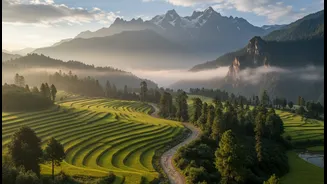
There's a growing desire for slower, more meaningful journeys that prioritise peace and personal connection over bragging rights. The Northeast, with its vast, sparsely populated landscapes and rich cultural tapestry, is perfectly poised to meet this new demand. The region, long considered a frontier for only the most intrepid adventurers, is now being seen as a haven for anyone looking to truly disconnect from the noise of city life, but not necessarily from the world.
Defining 'Quiet and Connected'
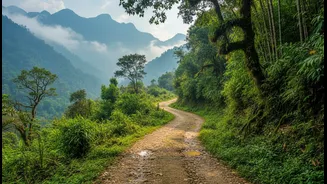
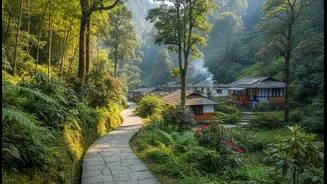
This new travel trend isn't about roughing it in complete isolation. The magic combination is 'quiet' and 'connected.' A quiet destination is one that remains untouched by mass tourism, offering tranquillity and a sense of discovery. Think of serene villages in Mizoram, remote valleys in Arunachal Pradesh, or riverside retreats in Assam. The 'connected' part is the game-changer. Thanks to significant government investment in infrastructure, including road, rail, and digital networks, these once-isolated areas are more accessible than ever. More importantly, homestays and small guesthouses are increasingly offering reliable Wi-Fi, making them viable for long stays, workations, or for travellers who simply want the peace of mind of being online. This blend allows visitors to immerse themselves in nature without feeling entirely cut off.
The Rise of the Himalayan Workation
The global remote work movement has found a welcome home in the mountains, and the Northeast is its next frontier. The concept of a 'workation'—blending work with leisure in a scenic location—has moved from a niche trend to a mainstream lifestyle choice for many Indians. While destinations like Himachal Pradesh have been popular, the Northeast offers a fresh alternative. Improved connectivity means professionals can now swap their city apartments for a homestay with a mountain view in Sikkim or a tea garden-adjacent cottage in Assam. Homestays in towns near hubs like Shillong, Kohima, and Guwahati are particularly attractive, offering the necessary amenities like a work desk, stable internet, and a peaceful environment conducive to productivity. This allows for a deeper travel experience, where one can live like a local for weeks or months, rather than just passing through.
Community and Sustainability at the Core
This shift towards quieter destinations has a powerful, positive side effect: it promotes a more sustainable and equitable form of tourism. The model relies heavily on community-based initiatives, particularly homestays, which ensure that tourism revenue flows directly to local families. This empowers communities and gives them a vested interest in preserving their natural and cultural heritage. Organizations in states like Meghalaya and Sikkim are actively working to divert tourists from overburdened hotspots to lesser-known areas, spreading the economic benefits more evenly and reducing environmental strain. For the traveller, this translates into a more authentic experience—home-cooked meals, genuine cultural exchange, and the chance to contribute positively to the place they are visiting.